Best Time for Tilicho Lake Trek
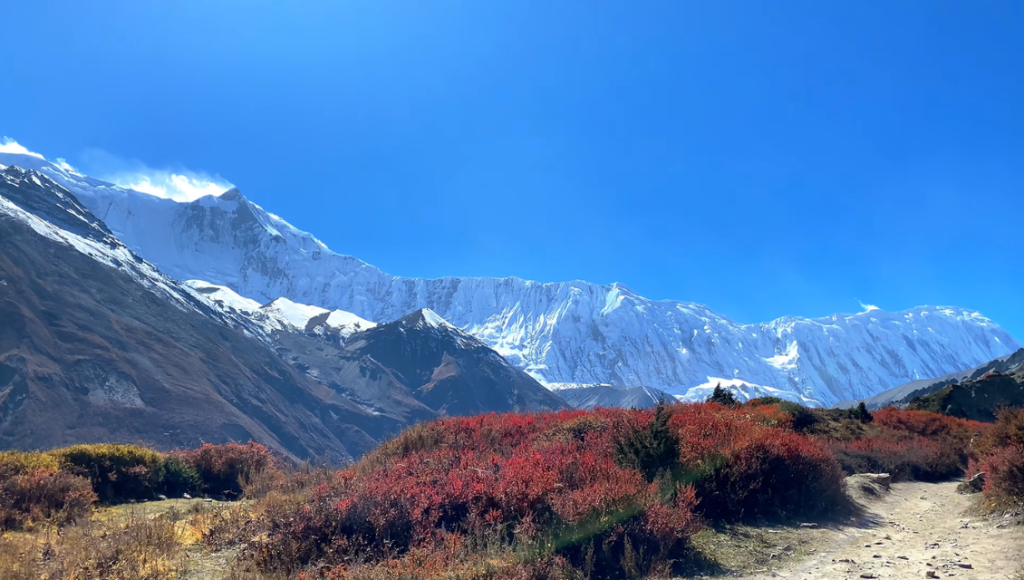
The best time for the Tilicho Lake Trek is during spring (March to May) and autumn (September to November). These seasons generally offer favorable trekking conditions, clear mountain views, and relatively stable weather. Spring brings colorful vegetation and rhododendron blooms at lower elevations, while autumn usually provides excellent visibility of the Annapurna and surrounding Himalayan ranges.
Winter (December to February) can bring heavy snowfall and freezing temperatures around Tilicho Lake, while the monsoon season (June to August) can bring rain, muddy trails, landslides, and reduced visibility.
Tilicho Lake Trek Difficulty
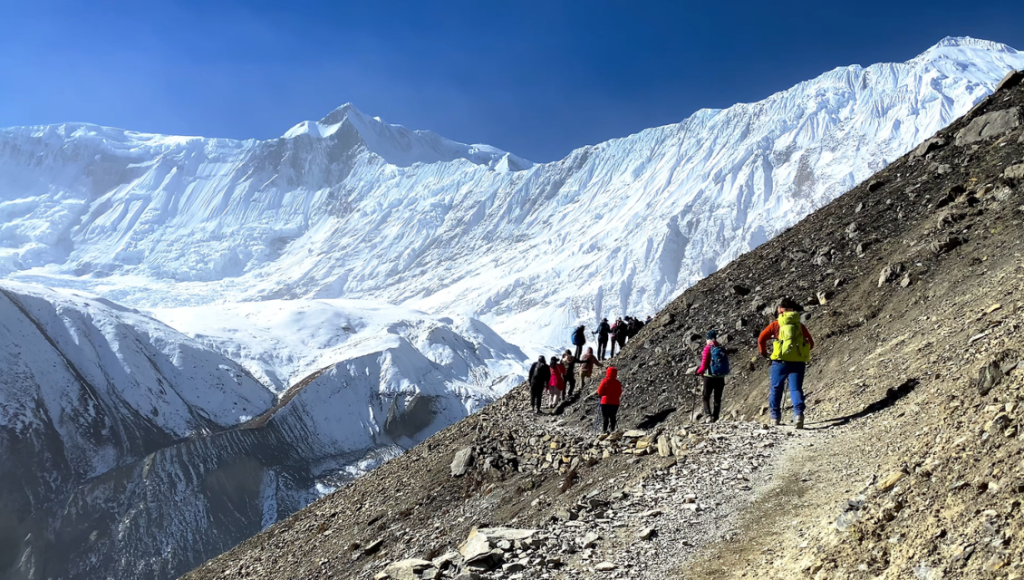
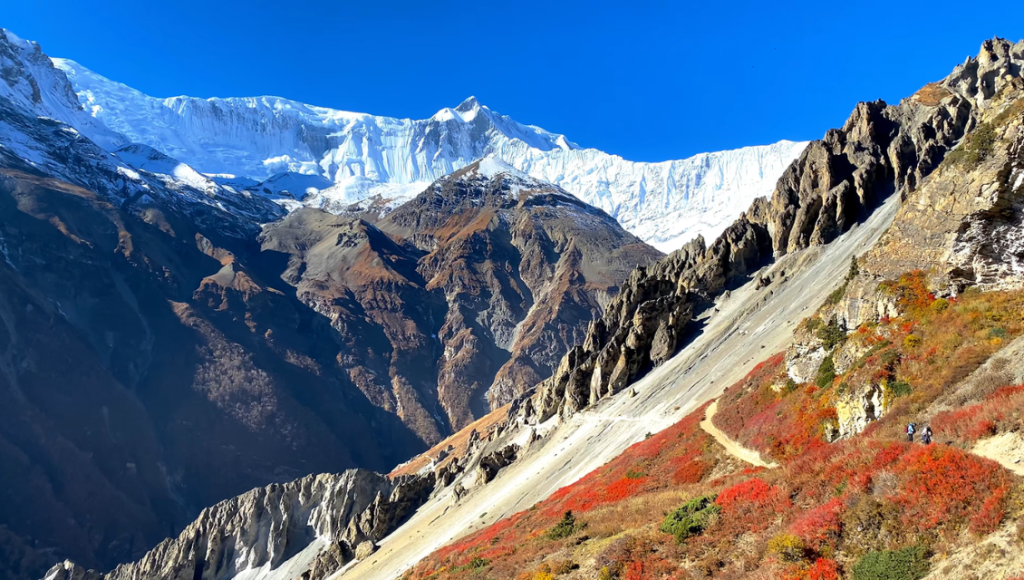
The Tilicho Lake Trek is considered a moderate to challenging high-altitude trek. The route involves long walking days, steep ascents and descents, rocky terrain, and significant elevation gain. The final approach to Tilicho Lake can be particularly demanding because of the high altitude and rugged trail conditions.
Good physical fitness, proper preparation, gradual acclimatization, and a steady walking pace are recommended for this trek.
Tilicho Lake Altitude
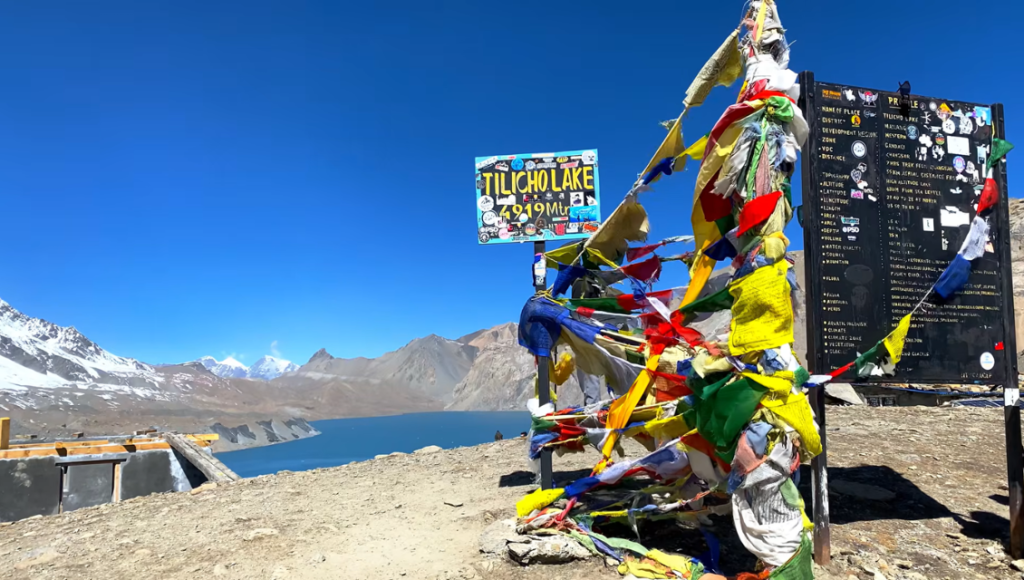
Tilicho Lake is located at approximately 4,919 meters above sea level. The high elevation makes altitude awareness and proper acclimatization important throughout the trek. Trekkers should ascend gradually, stay hydrated, eat regular meals, and avoid unnecessary rapid altitude gain.
Tilicho Lake Trek Route
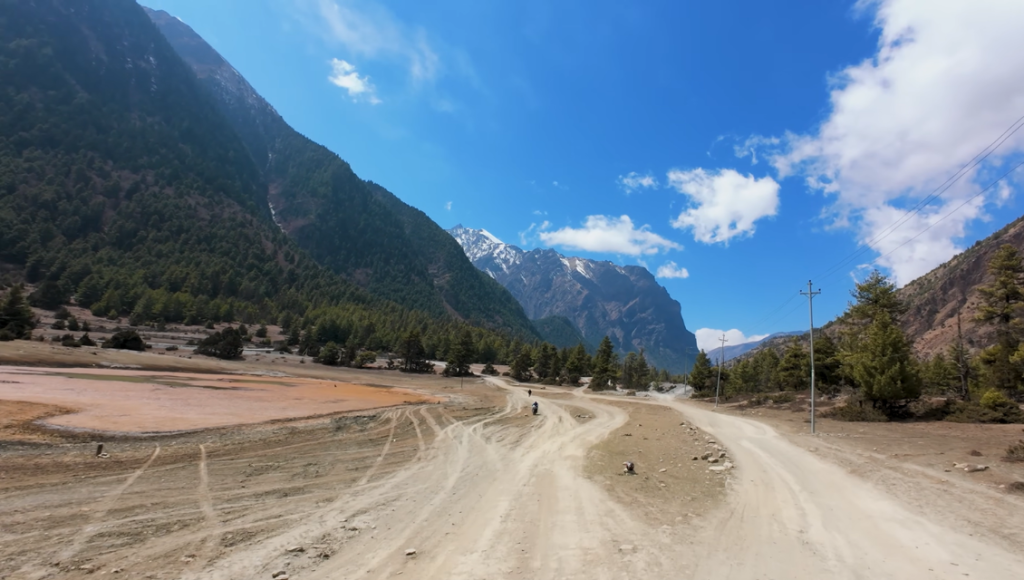
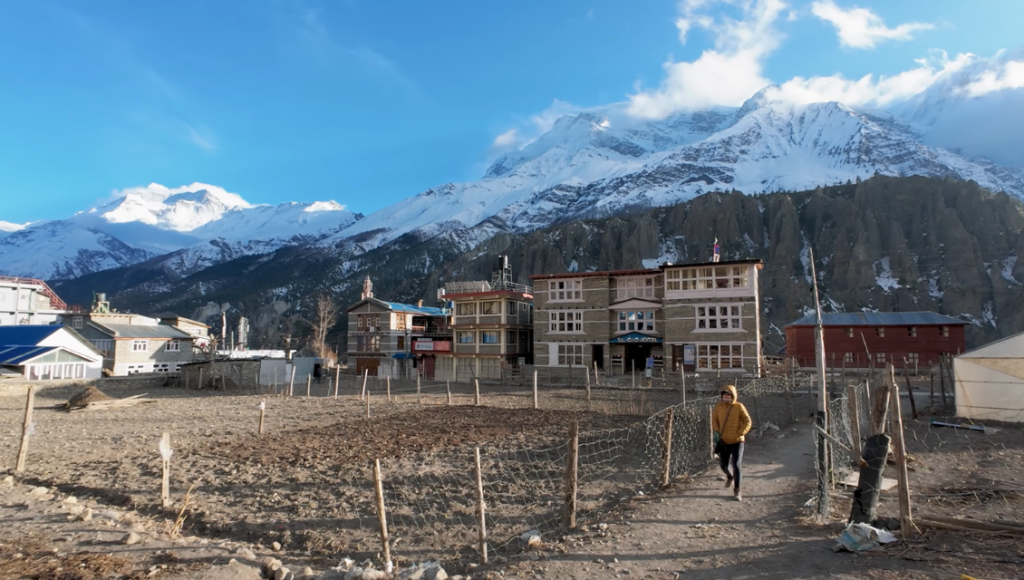
The Tilicho Lake Trek generally follows the Marsyangdi Valley into the Manang region before heading toward Tilicho Lake. Depending on the selected itinerary, the route may pass through locations such as Besisahar, Dharapani, Chame, Pisang, Manang, Khangsar, Tilicho Base Camp, and Tilicho Lake.
Some itineraries combine Tilicho Lake with the Annapurna Circuit Trek, allowing trekkers to continue toward Thorong La Pass and experience another major high-altitude section of the Annapurna region.
Accommodation During Tilicho Lake Trek
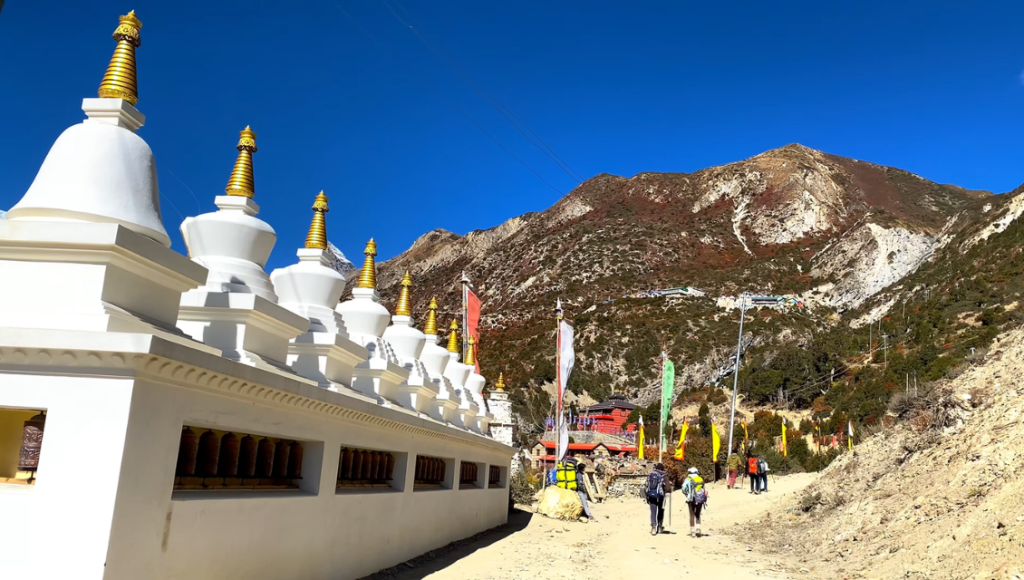
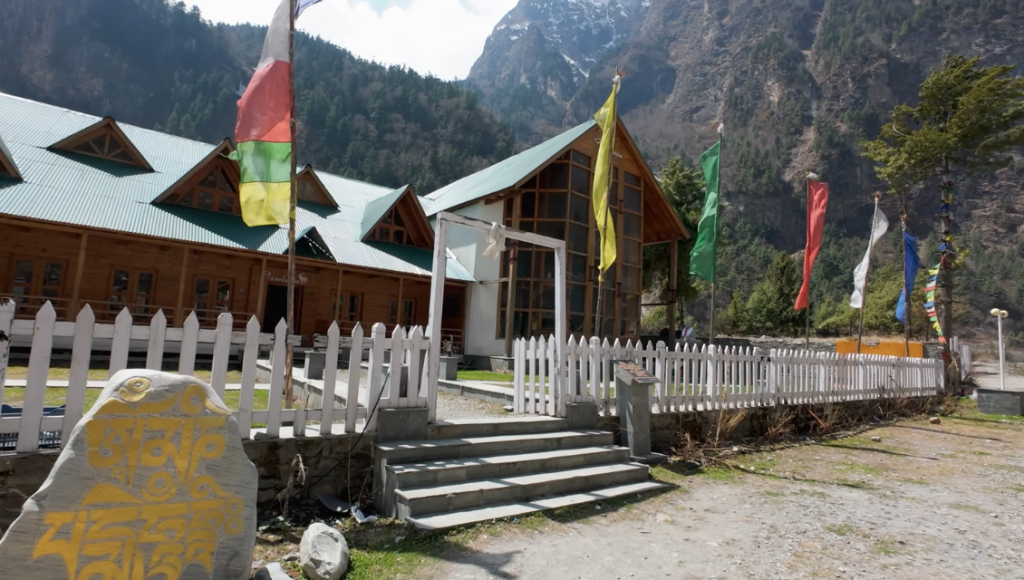
Accommodation is generally provided in local teahouses and mountain lodges. Rooms are usually simple and commonly arranged on a twin-sharing basis. Facilities become more basic at higher elevations, and hot showers, Wi-Fi, electricity, and charging facilities may be limited or available for an additional fee.
Food and Meals
Teahouses along the Tilicho Lake trekking route provide traditional Nepali meals and a selection of basic international dishes. Common options include dal bhat, rice, vegetables, noodles, soups, pasta, potatoes, eggs, bread, and Tibetan-style dishes.
Trekkers are encouraged to carry lightweight energy snacks such as nuts, chocolate, dried fruit, and energy bars for additional energy during longer walking days.
Permits for Tilicho Lake Trek
Trekkers generally require the Annapurna Conservation Area Permit (ACAP) and applicable TIMS or trekking registration requirements. Permit regulations can change, so current requirements should be confirmed before departure.
If you are traveling with a trekking agency, the required permits and documentation are normally arranged as part of the trekking package.
Travel Insurance and Emergency Evacuation
Travel insurance is strongly recommended for the Tilicho Lake Trek. Your insurance should cover high-altitude trekking, emergency medical treatment, and helicopter evacuation where applicable.
Because the trek reaches nearly 5,000 meters, check your insurance policy carefully to ensure that the maximum altitude and activities included in your itinerary are covered.
Weather and Trail Conditions
Mountain weather can change rapidly along the Tilicho Lake route. The higher sections around Tilicho Base Camp and Tilicho Lake can become cold, windy, and snowy, particularly during winter and early spring.
Rainfall, snowfall, landslides, rockfall, and changing trail conditions can affect trekking schedules. The itinerary should therefore remain flexible when necessary to maintain safety.
Altitude Safety
Because Tilicho Lake is situated at approximately 4,919 meters, altitude safety is an important part of the trek. Walk at a comfortable pace, stay hydrated, eat regularly, and allow your body sufficient time to adjust to increasing elevation.
Headache, dizziness, nausea, unusual fatigue, or worsening shortness of breath can be signs of altitude-related problems. If symptoms become severe or worsen, descending to a lower altitude and seeking medical assistance is important.
Responsible Trekking
The Tilicho Lake region forms part of the Annapurna conservation area and contains sensitive mountain ecosystems. Trekkers should follow Leave No Trace principles, minimize plastic waste, carry reusable water bottles, dispose of rubbish properly, stay on designated trails, and respect local communities and cultural traditions.
Tilicho Lake and Cultural Significance
Tilicho Lake is considered a sacred lake and holds religious significance for local communities and Hindu and Buddhist pilgrims. Visitors should respect local beliefs, religious practices, cultural traditions, and the natural environment around the lake.
Tilicho Lake Trek with Annapurna Circuit
The Tilicho Lake Trek can be combined with the Annapurna Circuit for a longer Himalayan adventure. This combination allows trekkers to experience Tilicho Lake as well as the famous Thorong La Pass, while exploring the diverse landscapes and villages of the Annapurna region.
Why Choose Tilicho Lake Trek?
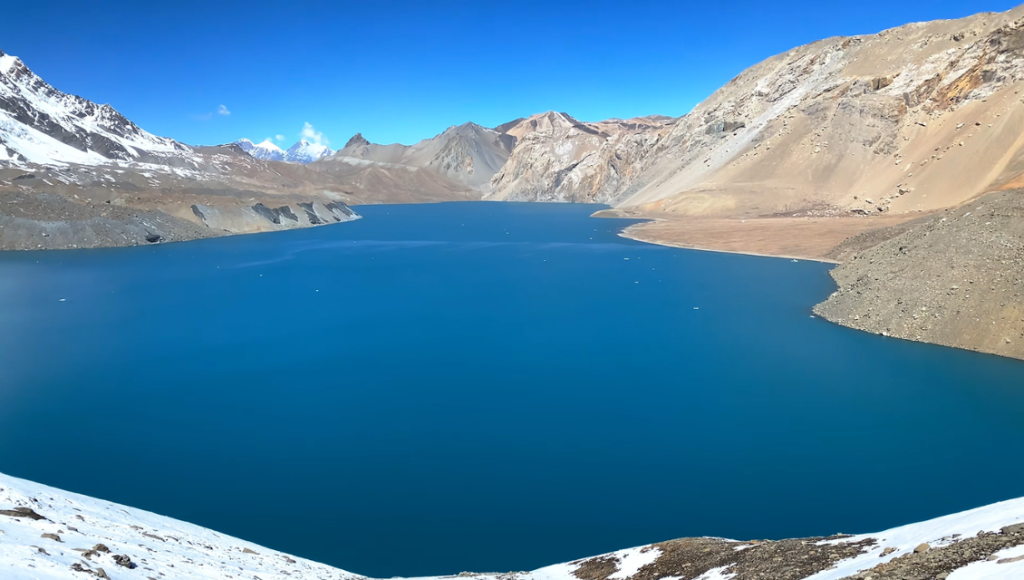
The Tilicho Lake Trek offers a rewarding combination of high-altitude adventure, dramatic Himalayan landscapes, traditional mountain villages, and diverse ecosystems. From the lush lower Marsyangdi Valley to the dry alpine landscapes of Manang and the turquoise waters of Tilicho Lake, the trek provides an opportunity to experience the natural and cultural diversity of the Annapurna region.