Classic

Annapurna Circuit Trek

Premium guided trek · Local experts · Clean trails

13 Days 5,416 m Challenging Mar–May, Sep–Nov 1–17 people

Highlights of Annapurna Circuit Trek

Cross Thorong La Pass (5,416 m)

Full circuit of the Annapurna massif

Manang and Tibetan-influenced culture

Muktinath temple pilgrimage site

Views of Annapurna, Dhaulagiri and Manaslu

Optional Ice Lake and Gangapurna hikes

Overview of Annapurna Circuit Trek

The Annapurna Circuit Trek is one of Nepal’s most diverse and iconic Himalayan trekking journeys, taking you through dramatic mountain landscapes, traditional villages, lush valleys and high-altitude terrain. The route travels around the Annapurna massif, beginning in the lower Marsyangdi Valley and gradually ascending through the culturally rich villages of Manang before reaching the spectacular Thorong La Pass at 5,416 metres.

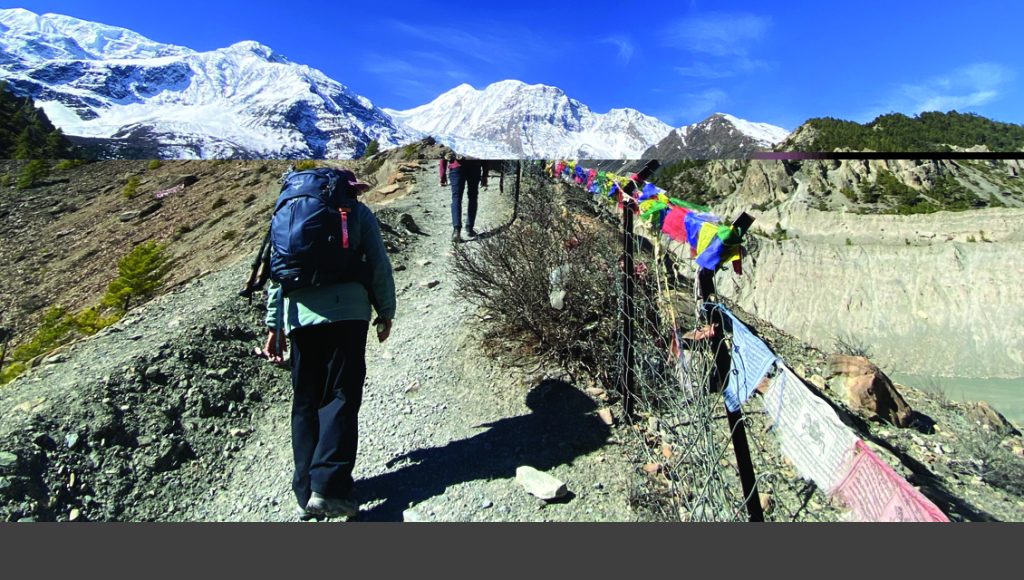
The trek offers an extraordinary change in scenery, from subtropical forests, terraced farmland and rushing rivers to alpine meadows, rugged mountain valleys and the dry, Tibetan-influenced landscapes of Manang and Mustang. Along the way, trekkers experience traditional Gurung, Manangi and Thakali communities, ancient monasteries, prayer wheels and distinctive Himalayan architecture.

One of the defining experiences is crossing Thorong La Pass, followed by the descent toward the sacred pilgrimage site of Muktinath and the dramatic Kali Gandaki Valley. The route can then continue through Jomsom and traditional Thakali settlements before reaching the lower valleys of the Annapurna region.

With its combination of high mountain passes, diverse landscapes, rich Himalayan culture and spectacular views of Annapurna, Dhaulagiri, Manaslu and other peaks, the Annapurna Circuit Trek provides a complete Himalayan trekking experience for travelers seeking both adventure and cultural discovery.

Detailed Itinerary of Annapurna Circuit Trek

Day 1

Arrival in Kathmandu (1,400 m)

Welcome to Nepal and the start of your Annapurna Circuit adventure. Our representative meets you at Tribhuvan International Airport and transfers you to your hotel in Thamel. Rest, explore the trekking shops, or simply recover from your flight. In the evening, meet your guide for a detailed briefing on the full circuit itinerary, Thorong La preparations, altitude strategy, packing list and safety protocols. Overnight in Kathmandu.

Arrival in Kathmandu (1,400 m)
Accommodation Hotel in Kathmandu
Meals Dinner
Max Altitude 1,400 m
Distance Airport transfer
Day 2

Drive to Dharapani via Besisahar (1,960 m)

Early departure from Kathmandu for a long but scenic journey to Besisahar, the traditional gateway to the Annapurna Circuit. The drive follows rivers, terraced hillsides and rural settlements. Beyond Besisahar, switch to a local jeep for the rugged mountain road along the Marsyangdi River toward Dharapani. Views of the Annapurna and Manaslu ranges improve as you gain elevation. Dharapani is an important entry point into the Annapurna Conservation Area and your first overnight on the circuit trail. Overnight in a teahouse.

Drive to Dharapani via Besisahar (1,960 m)
Accommodation Teahouse
Meals Breakfast, Lunch, Dinner
Max Altitude 1,960 m
Distance 8–9 hrs drive
Day 3

Trek to Chame (2,670 m)

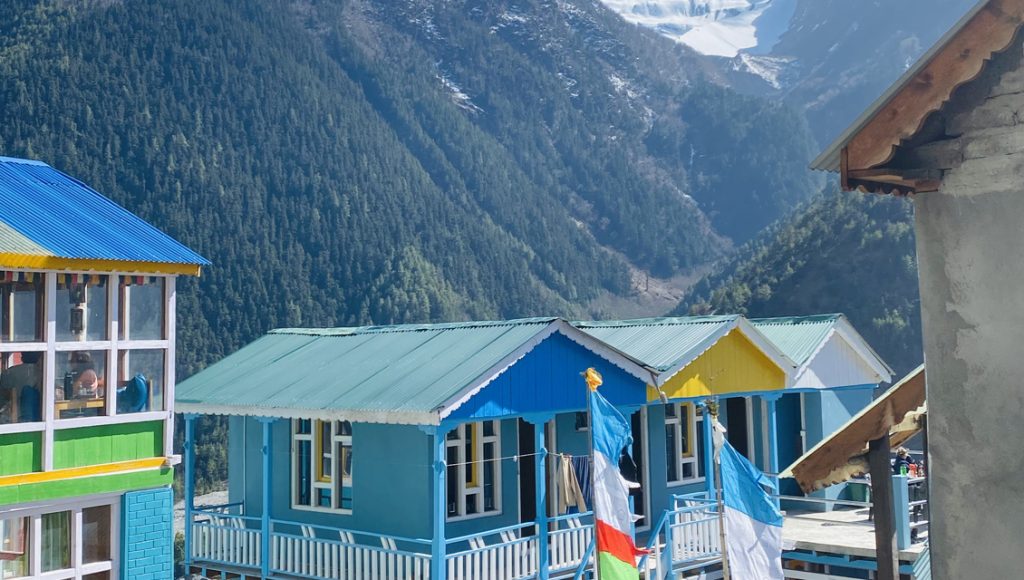
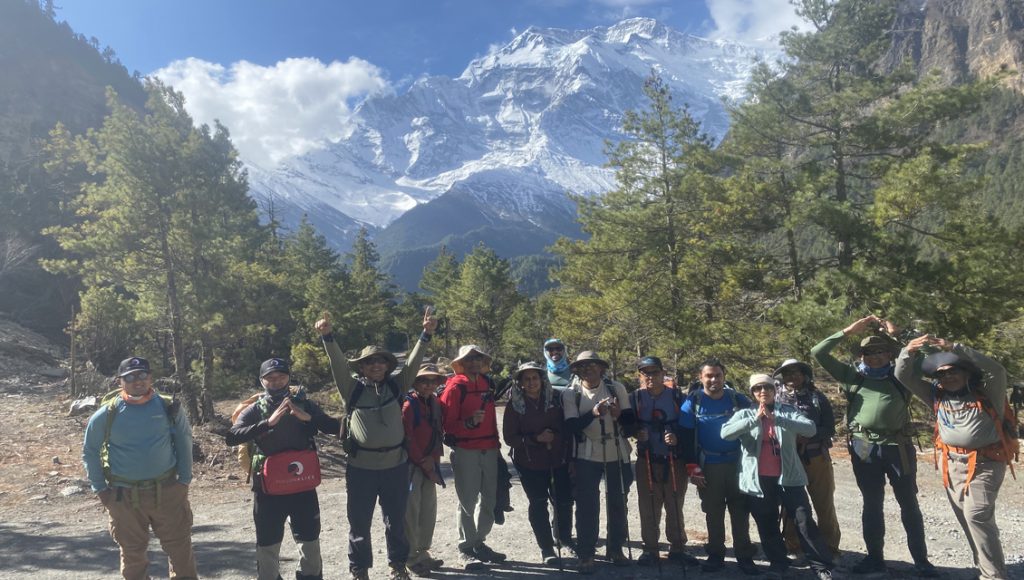
Your trekking on the Annapurna Circuit begins in earnest today. Ascend gradually through pine and oak forest, crossing suspension bridges above rushing mountain rivers. Pass traditional stone villages and terraced farms while the valley walls rise higher. As you approach Chame, the administrative centre of Manang District, Lamjung Himal and Annapurna II dominate the skyline. Chame offers comfortable teahouses, bakeries and a chance to stock up before the higher, more remote section of the trail. Overnight in Chame.

Trek to Chame (2,670 m)
Accommodation Teahouse
Meals Breakfast, Lunch, Dinner
Max Altitude 2,670 m
Distance 5–6 hrs
Day 4

Trek to Pisang (3,200 m)

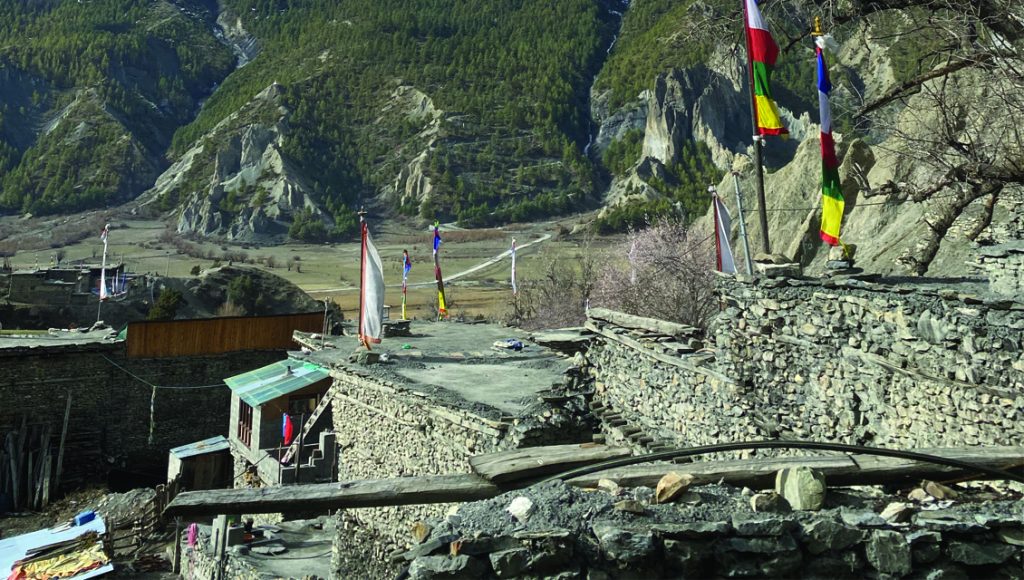
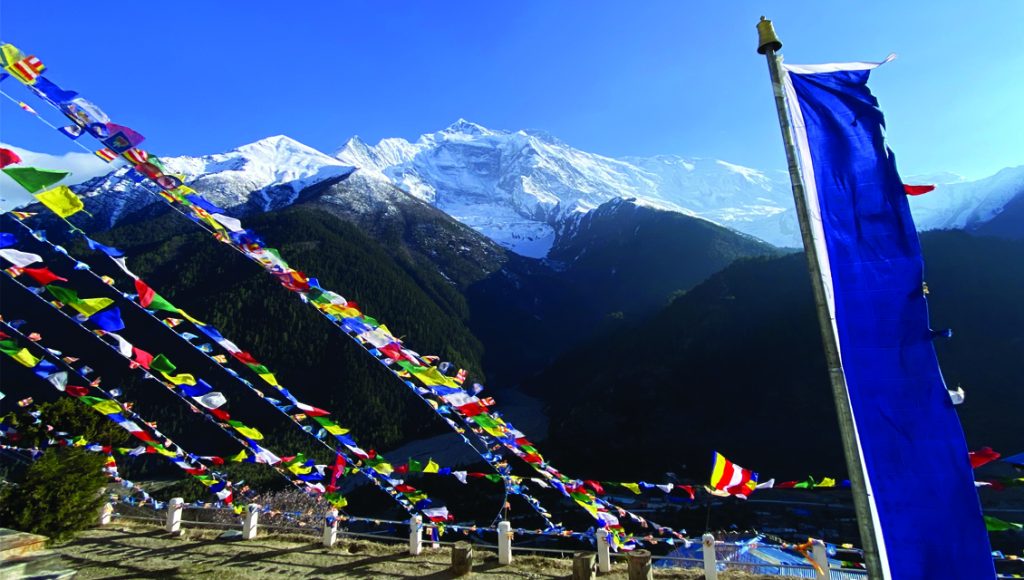
Follow the Marsyangdi River through increasingly alpine landscapes filled with waterfalls, rocky cliffs and scattered settlements. Buddhist culture becomes more visible with prayer flags, mani walls and chortens along the route. Pisang is divided into Lower and Upper Pisang; Upper Pisang offers exceptional panoramic mountain views and a richer Tibetan-style atmosphere. Many groups choose the upper route for better acclimatisation and scenery on the way toward Manang. Overnight in Pisang.

Trek to Pisang (3,200 m)
Accommodation Teahouse
Meals Breakfast, Lunch, Dinner
Max Altitude 3,200 m
Distance 5–6 hrs
Day 5

Trek to Manang via Upper Pisang (3,540 m)

Take the scenic upper trail via Ghyaru and Ngawal for breathtaking views of Annapurna II, III, IV and Gangapurna. The path passes traditional villages, ancient monasteries and long mani walls inscribed with Buddhist prayers. Enter Manang, the cultural and acclimatisation heart of the Annapurna Circuit — a high-altitude town with bakeries, lodges and a strong Tibetan-influenced identity. Rest, hydrate and explore. Overnight in Manang.

Trek to Manang via Upper Pisang (3,540 m)
Accommodation Teahouse
Meals Breakfast, Lunch, Dinner
Max Altitude 3,540 m
Distance 6 hrs
Day 6

Acclimatisation day in Manang (3,540 m)

A dedicated rest and acclimatisation day essential for a safe Thorong La crossing. Optional short hikes to Gangapurna Lake or longer excursions toward Ice Lake (around 4,600 m) improve altitude adaptation. Visit local monasteries, attend Himalayan Rescue Association talks if available, and enjoy Manang's unique high-desert atmosphere. Proper acclimatisation is the key to success on the Annapurna Circuit. Overnight in Manang.

Acclimatisation day in Manang (3,540 m)
Accommodation Teahouse
Meals Breakfast, Lunch, Dinner
Max Altitude 3,540 m
Distance Optional 2–6 hrs
Day 7

Trek to Yak Kharka / Letdar (4,000 m)

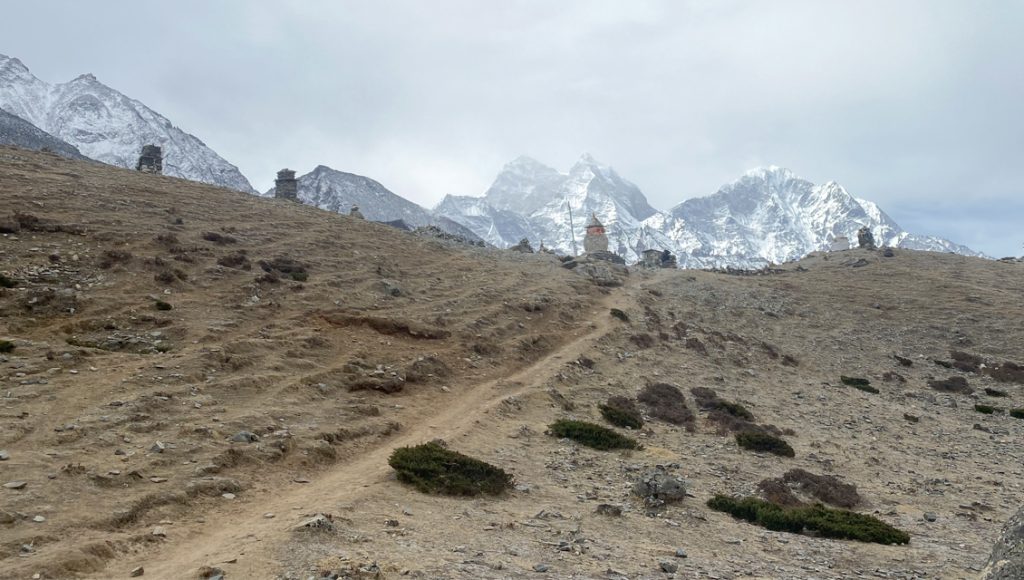
Leave the tree line behind and climb gradually into open alpine pasture. The air thins and the landscape becomes stark and beautiful, with yak herds and wide mountain horizons. Yak Kharka or Letdar provides a strategic overnight stop that continues gentle acclimatisation on the approach to Thorong Phedi and the great pass. Overnight in a high teahouse.

Trek to Yak Kharka / Letdar (4,000 m)
Accommodation Teahouse
Meals Breakfast, Lunch, Dinner
Max Altitude 4,000 m
Distance 4 hrs
Day 8

Trek to Thorong Phedi (4,450 m)

A shorter day to the base of Thorong La. Conserve energy, eat well and sleep early. Your guide will brief you thoroughly on the pre-dawn start, layering system, pacing and safety procedures required for a successful and safe crossing of one of the world's highest trekking passes. Overnight at Thorong Phedi.

Trek to Thorong Phedi (4,450 m)
Accommodation Teahouse
Meals Breakfast, Lunch, Dinner
Max Altitude 4,450 m
Distance 3–4 hrs
Day 9

Cross Thorong La (5,416 m) to Muktinath (3,760 m)

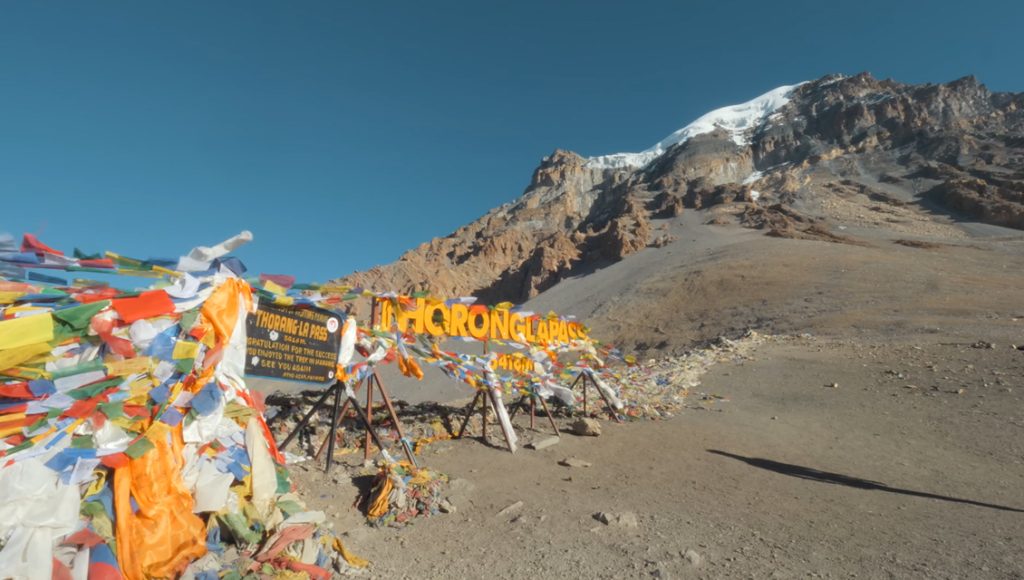
The highlight and greatest challenge of the Annapurna Circuit. Start well before dawn for the long ascent to Thorong La Pass at 5,416 metres. Prayer flags mark the summit with panoramic views of the Annapurna and Dhaulagiri ranges. After celebration at the top, begin the long, knee-testing descent to the sacred pilgrimage town of Muktinath. This is a demanding 7–9 hour day — go slowly, drink often and follow your guide's advice. Overnight in Muktinath.

Cross Thorong La (5,416 m) to Muktinath (3,760 m)
Accommodation Teahouse
Meals Breakfast, Lunch, Dinner
Max Altitude 5,416 m (pass) / 3,760 m (overnight)
Distance 7–9 hrs
Day 10

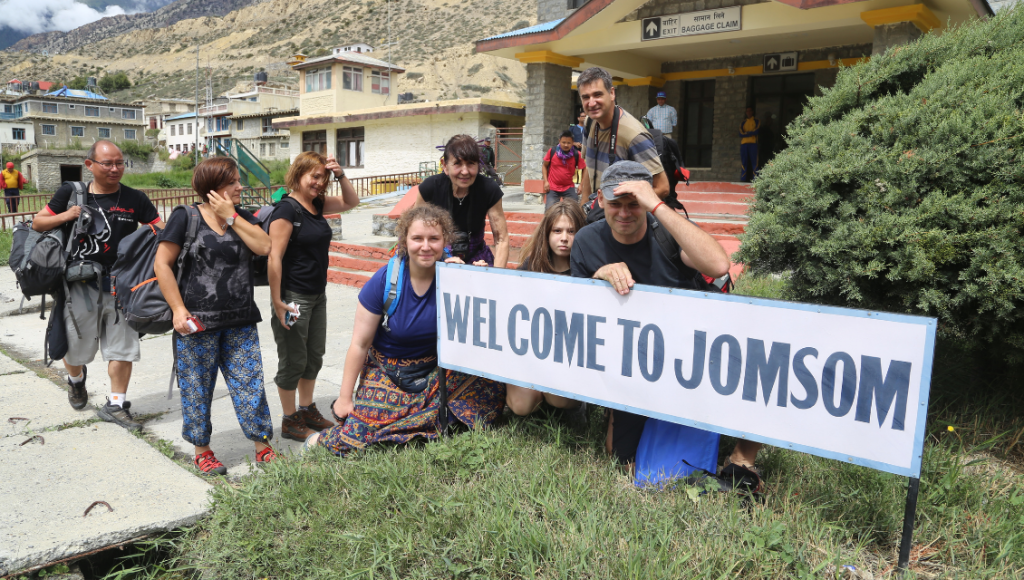
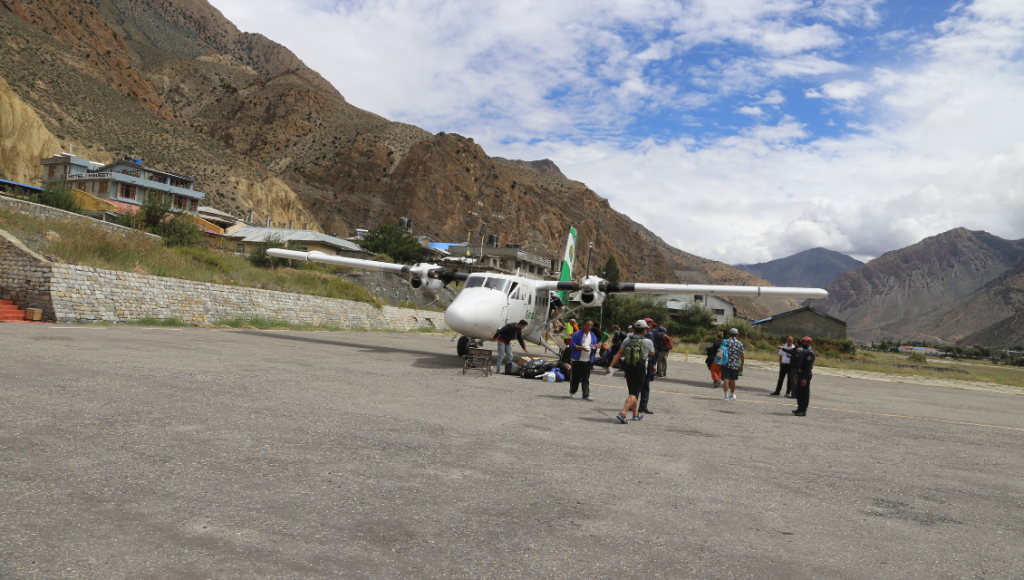
Muktinath to Jomsom (2,720 m)

Visit the sacred Muktinath Temple complex in the morning, then continue down the arid Kali Gandaki valley — often cited as the world's deepest gorge — toward Jomsom. Options include trekking or a short jeep ride depending on group preference and road conditions. Jomsom is a windy district headquarters with flights and road links toward Pokhara. Overnight in Jomsom.

Muktinath to Jomsom (2,720 m)
Accommodation Teahouse or hotel
Meals Breakfast, Lunch, Dinner
Max Altitude 2,720 m
Distance 5–6 hrs
Day 11

Fly or drive to Pokhara (820 m)

Morning flight from Jomsom to Pokhara (weather permitting) or continue by road via Beni. Celebrate the completion of the Annapurna Circuit with a lakeside evening in Pokhara — cafés, reflection and well-earned rest. Overnight in Pokhara.

Fly or drive to Pokhara (820 m)
Accommodation Hotel in Pokhara
Meals Breakfast
Max Altitude 820 m
Distance Flight or drive
Day 12

Return to Kathmandu (1,400 m)

Fly or drive back to Kathmandu. Free time for rest, shopping in Thamel or optional cultural sightseeing. Overnight in Kathmandu.

Return to Kathmandu (1,400 m)
Accommodation Hotel in Kathmandu
Meals Breakfast
Max Altitude 1,400 m
Distance —
Day 13

Final departure

Airport transfer for your international flight. End of Annapurna Circuit trek services.

Accommodation —
Meals Breakfast
Max Altitude 1,400 m
Distance Airport transfer

What’s Included / Excluded

Includes

  • Airport arrival and departure transfers by private vehicle
  • Kathmandu hotel accommodation as per the itinerary
  • Teahouse/lodge accommodation during the trek
  • Breakfast, lunch and dinner during the trekking days
  • Experienced, English-speaking trekking guide

Excludes

  • ✕ International flights to and from Nepal
  • ✕ Nepal entry visa fee
  • ✕ Travel and medical insurance
  • ✕ Helicopter evacuation or emergency rescue costs
  • ✕ Personal expenses such as laundry, phone calls and internet

Additional Information of Annapurna Circuit Trek

Additional Information About the Annapurna Circuit Trek

The Annapurna Circuit Trek is one of Nepal's most diverse and rewarding Himalayan trekking routes. The journey combines dramatic mountain scenery, traditional villages, ancient cultural sites, lush valleys, high-altitude landscapes and the spectacular crossing of Thorong La Pass at 5,416 metres.

Permits for Annapurna Circuit Trek

Trekkers need the required permits and registration documents before entering the Annapurna Conservation Area. Our trekking team can arrange the necessary permits and documentation as part of the trekking preparation.

  • Annapurna Conservation Area Permit (ACAP)
  • Trekkers' Information Management System (TIMS) registration where applicable
  • Required local registrations and entry documentation

Altitude and Acclimatisation

The Annapurna Circuit reaches a maximum elevation of 5,416 metres at Thorong La Pass. The significant altitude gain makes proper acclimatisation an important part of the trek.

The itinerary is designed with gradual elevation gain and appropriate overnight stops to allow your body to adjust to the increasing altitude. Maintaining a comfortable walking pace, staying hydrated and communicating with your guide about any symptoms are important throughout the trek.

Thorong La Pass Crossing

Crossing Thorong La Pass is the major highlight and one of the most challenging sections of the Annapurna Circuit Trek. The pass stands at 5,416 metres and connects the Manang region with the Mustang side of the circuit.

The crossing normally begins early in the morning to take advantage of more stable weather conditions. Cold temperatures, strong winds, snow and changing weather can occur at the pass, making proper clothing and preparation essential.

Accommodation During the Trek

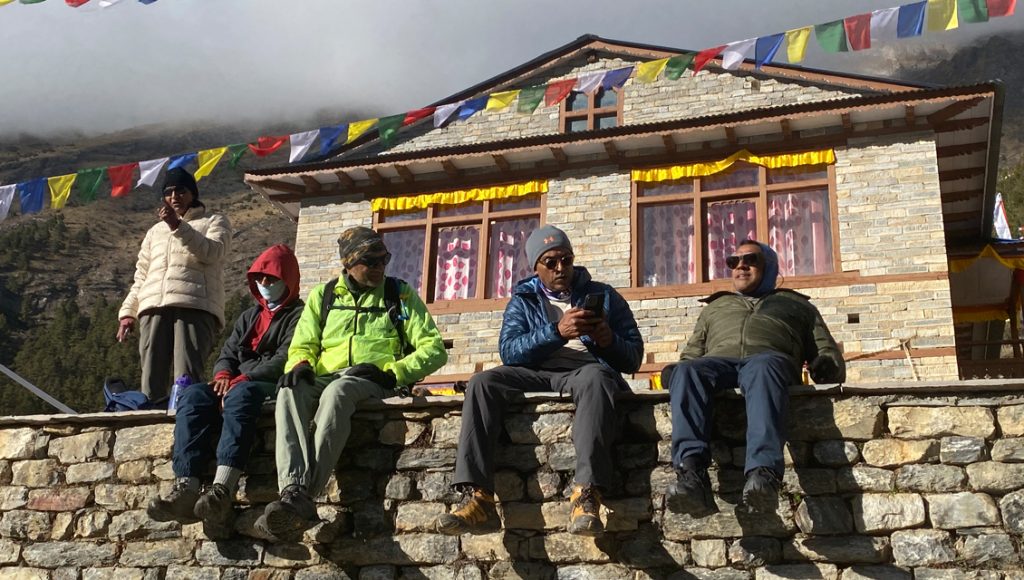
Accommodation along the Annapurna Circuit is mainly provided in locally operated teahouses and mountain lodges. Rooms are generally simple but comfortable, with twin-sharing accommodation commonly available.

Bathroom facilities may be shared, particularly at higher elevations. Hot showers, Wi-Fi and charging facilities are available in many villages for an additional fee, although services can become more limited as you gain altitude.

Food and Drinking Water

Teahouses along the Annapurna Circuit offer a variety of meals suitable for trekkers. Popular options include traditional Nepali dal bhat, noodles, soups, pasta, rice, potatoes, eggs and Tibetan-influenced dishes.

Staying properly hydrated is important throughout the trek. Trekkers can use boiled, filtered or properly treated drinking water. Carrying a reusable water bottle or hydration system is recommended to reduce plastic waste.

Transportation on the Annapurna Circuit

Road development has changed some sections of the traditional Annapurna Circuit route. Depending on the selected itinerary and current trail conditions, vehicles may be used on certain sections of the lower route.

Using transportation on appropriate sections can reduce unnecessary road walking while allowing trekkers to spend more time on the scenic and culturally significant sections of the Annapurna Circuit.

Annapurna Circuit Trek Difficulty

The Annapurna Circuit Trek is considered a challenging high-altitude trek. The difficulty comes from long walking days, uneven mountain trails, significant elevation gain and the demanding Thorong La Pass crossing.

Previous trekking experience is helpful but not mandatory for physically fit trekkers. Regular walking, hiking, stair climbing and cardiovascular exercise before the trek can help improve endurance and preparation.

Altitude Sickness and Safety

Altitude sickness is one of the main considerations when trekking above 3,000 metres. Symptoms may include headache, dizziness, nausea, tiredness, loss of appetite and difficulty sleeping.

If you experience unusual or worsening symptoms, inform your trekking guide immediately. The trekking team will monitor your condition and can adjust the itinerary or arrange descent and emergency assistance when required.

Weather and Trail Conditions

Weather conditions in the Annapurna region can change quickly, particularly at higher elevations. Snowfall and strong winds may affect the Thorong La Pass area during winter or periods of unsettled weather.

The trekking itinerary may be adjusted when necessary according to weather, trail and safety conditions. Following the recommendations of your guide is particularly important when approaching high mountain passes.

Best Time for Annapurna Circuit Trek

The best seasons for the Annapurna Circuit Trek are generally spring and autumn.

  • Spring (March to May): Pleasant trekking temperatures, blooming rhododendrons and good mountain views.
  • Autumn (September to November): Generally stable weather, clear mountain views and favorable conditions for crossing Thorong La.
  • Winter (December to February): Cold temperatures and possible heavy snowfall around high-altitude sections.
  • Monsoon (June to August): Rain, clouds and slippery trails can affect lower sections of the route.

Culture and Local Communities

The Annapurna Circuit passes through communities with diverse cultural traditions, including Gurung, Magar, Manangi and Thakali communities. As the route approaches Manang and Mustang, Tibetan Buddhist cultural influences become increasingly visible.

Trekkers can experience traditional mountain villages, Buddhist monasteries, prayer wheels, mani walls, chortens and centuries-old local customs throughout the journey.

Responsible Trekking in the Annapurna Region

The Annapurna region is environmentally and culturally sensitive, so responsible trekking practices are important. Trekkers should respect local communities, religious sites and the natural environment throughout the journey.

  • Carry reusable water bottles and minimize plastic waste.
  • Dispose of waste responsibly.
  • Stay on established trekking trails.
  • Respect monasteries, temples, prayer wheels and mani walls.
  • Ask permission before photographing local people.
  • Conserve water and electricity whenever possible.
  • Support locally owned teahouses, lodges and businesses.

Travel Insurance for Annapurna Circuit Trek

Comprehensive travel insurance is strongly recommended for the Annapurna Circuit Trek. Your policy should specifically cover high-altitude trekking and emergency medical treatment.

It is also recommended to confirm that your insurance includes emergency helicopter evacuation, as evacuation requirements can arise in remote mountain areas due to serious altitude-related illness, injury or changing weather conditions.

What to Pack for Annapurna Circuit Trek

Proper equipment is essential for a comfortable and safe Annapurna Circuit Trek, particularly when crossing Thorong La Pass.

  • Comfortable trekking boots
  • Warm down jacket
  • Thermal base layers
  • Fleece or insulating layers
  • Waterproof jacket and trousers
  • Warm gloves and trekking socks
  • Warm hat and sun hat
  • Sunglasses with UV protection
  • Sunscreen and lip balm
  • Reusable water bottle or hydration system
  • Headlamp with spare batteries
  • Personal first-aid and medication
  • Sleeping bag suitable for cold mountain conditions
  • Trekking poles

Fitness Preparation

Preparing physically before the trek can make the Annapurna Circuit experience more comfortable. Regular walking and hiking are useful, while activities such as stair climbing, cycling and cardiovascular training can help build endurance.

It is particularly useful to include longer walks with some uphill sections in your preparation because the trek involves consecutive days of walking on mountainous terrain.

Internet, Mobile Network and Electricity

Mobile network coverage and Wi-Fi are available in many villages along the Annapurna Circuit, although connectivity can become weaker or unavailable in remote and higher-altitude areas.

Electricity is available in most teahouses, but charging facilities may have an additional cost. Carrying a power bank is recommended so that essential electronic devices remain charged during the trek.

Why Trek the Annapurna Circuit?

The Annapurna Circuit Trek offers an exceptional combination of natural scenery and cultural diversity. The route passes from green subtropical valleys and terraced farmland to alpine forests, high mountain settlements and the dry Himalayan landscapes of Manang and Mustang.

The crossing of Thorong La Pass at 5,416 metres, views of Annapurna and Dhaulagiri, traditional mountain villages, Buddhist monasteries and the dramatic Kali Gandaki Valley make the Annapurna Circuit one of Nepal's classic Himalayan trekking experiences.

Important Information Before Starting the Trek

Mountain trekking conditions can change quickly, and the actual itinerary may need to be adjusted according to weather, trail conditions, health, local regulations and other circumstances. Your guide will provide updated information during the trek and recommend appropriate decisions for each section of the route.

What to Bring for Annapurna Circuit Trek

  • Layered clothing system suitable for temperatures around -15°C
  • Sleeping bag rated to approximately -15°C
  • Sturdy, waterproof trekking boots
  • Adjustable trekking poles
  • High-UV protection sunglasses
  • Strong SPF sunscreen and lip balm
  • Water purification tablets or a portable water filter
  • Warm insulated gloves and thermal socks
  • Waterproof and windproof outer layers
  • Warm down or insulated jacket
  • Headlamp with spare batteries
  • Reusable water bottle or hydration bladder
  • Personal first-aid kit and essential medications
  • Backpack with waterproof rain cover
  • Power bank and charging cables

FAQs about Annapurna Circuit Trek

What is the Annapurna North Base Camp Trek?
The Annapurna North Base Camp Trek is a remote Himalayan trekking adventure to the northern side of the Annapurna massif, offering spectacular mountain scenery and fewer trekkers.
How high is Annapurna North Base Camp?
Annapurna North Base Camp is generally located at around 4,190 metres, although the exact elevation may vary slightly depending on the route.
How difficult is the Annapurna North Base Camp Trek?
The trek is considered physically demanding because of steep trails, remote terrain, altitude and changing weather conditions.
What should I bring for the Annapurna North Base Camp Trek?
Bring layered clothing, waterproof trekking boots, a warm jacket, thermal layers, gloves, trekking poles, a headlamp, sleeping bag, water bottles and personal medicines.
Do I need a sleeping bag?
Yes, a warm sleeping bag suitable for cold and potentially sub-zero conditions is recommended.
Do I need trekking poles?
Trekking poles are recommended for better balance and support on steep, rocky and uneven sections of the trail.
Is Annapurna North Base Camp suitable for beginners?
Fit and well-prepared beginners may undertake the trek, but its remote nature and altitude make it more demanding than easier trekking routes in Nepal.
What is the best time for Annapurna North Base Camp Trek?
Spring and autumn are generally preferred because of favorable weather, clearer mountain views and better trail conditions.
Is Annapurna North Base Camp a camping trek?
Some itineraries use camping while others may use available local accommodation, so the requirements depend on the specific itinerary.
Is there accommodation at Annapurna North Base Camp?
Accommodation becomes very basic in the remote upper sections, and camping may be required depending on the itinerary.
Do I need travel insurance?
Comprehensive travel insurance covering high-altitude trekking, medical treatment and emergency evacuation is strongly recommended.
Is altitude sickness a risk?
Yes. The trek reaches above 4,000 metres, so gradual acclimatisation, adequate hydration and monitoring for altitude-related symptoms are important.
What food is available during the trek?
Depending on the route and accommodation, meals may include dal bhat, rice, noodles, soups, potatoes, eggs and other simple trekking foods.
Is mobile network available?
Mobile coverage and internet access can be limited or unavailable in remote sections, so trekkers should not rely on continuous connectivity.
How cold does it get at Annapurna North Base Camp?
Temperatures can fall below freezing at higher elevations, particularly overnight, so warm and properly layered clothing is essential.
Can the itinerary change?
Yes. The itinerary may be adjusted because of weather, trail conditions, health, local conditions or other safety considerations.