Restricted

Nar Phu Manang Trek

Premium guided trek · Local experts · Clean trails

13 Days 5,320 m Challenging Mar–May, Sep–Nov 2–12 people

Highlights of Nar Phu Manang Trek

Restricted Nar and Phu valleys with very few trekkers

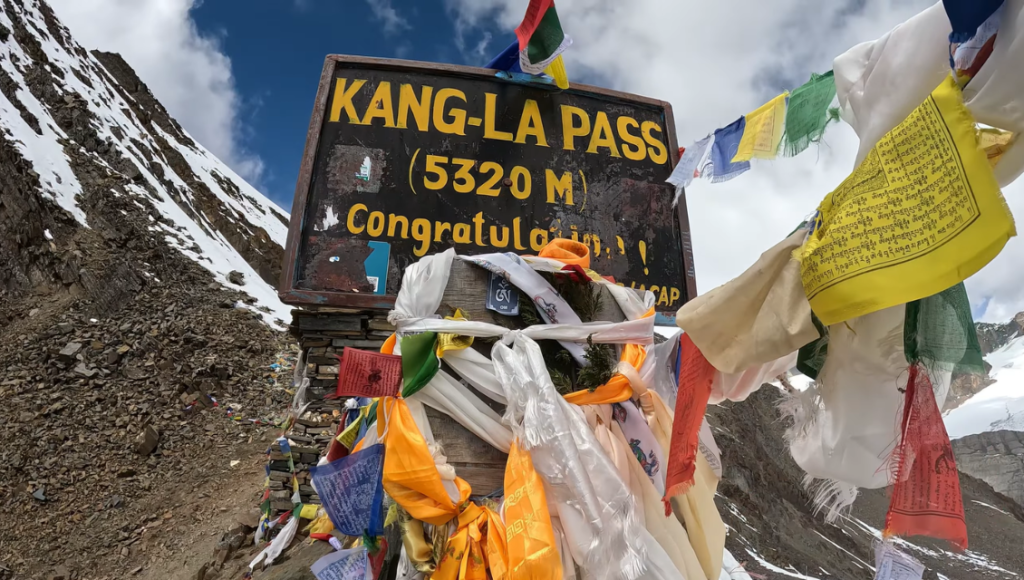
Kang La Pass (5,320 m) with epic Annapurna views

Tashi Lhakhang Monastery and living Tibetan culture

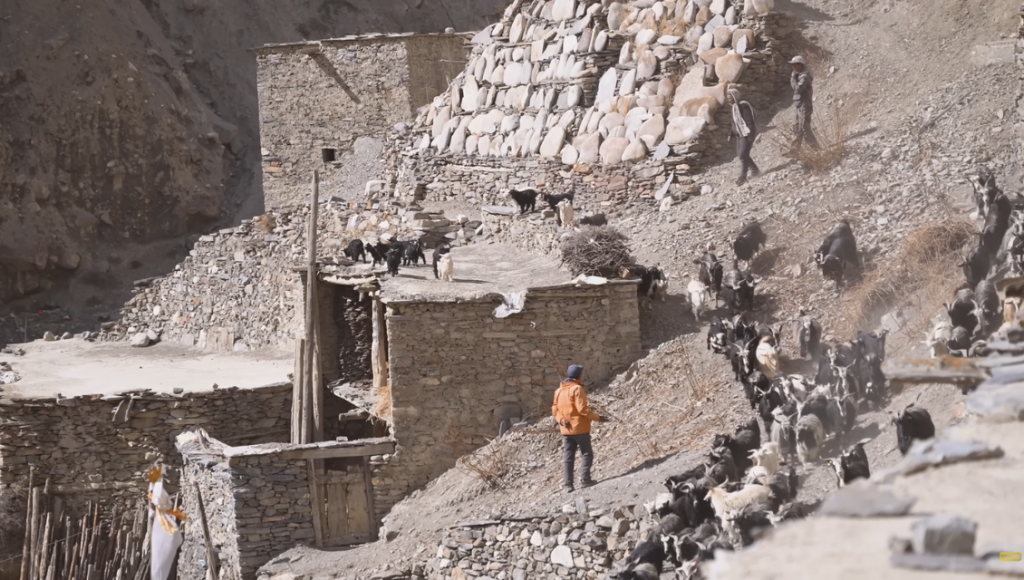
Medieval stone villages and dramatic gorges

Connection toward Manang and the classic Circuit trails

Overview of Nar Phu Manang Trek

The Nar Phu Manang Trek is an adventurous and culturally rich trekking journey through one of the most remote and spectacular areas of Nepal’s Annapurna region. The trek takes you away from the busier Annapurna routes into the hidden valleys of Nar and Phu, where ancient Tibetan-influenced villages, dramatic mountain landscapes, monasteries, and traditional Himalayan culture remain largely preserved.

The trail follows the Nar Phu Valley, passing through rugged gorges, pine and juniper forests, high alpine meadows, and remote settlements surrounded by towering Himalayan peaks. The villages of Phu and Nar provide an opportunity to experience traditional mountain life, distinctive stone houses, Buddhist monasteries, and centuries-old cultural practices.

A major highlight of the journey is crossing the Kang La Pass at approximately 5,240 meters, offering spectacular views of Annapurna II, Gangapurna, Tilicho Peak, Himlung Himal, and other surrounding peaks. The trek can also be combined with the Annapurna Circuit, allowing trekkers to experience the contrasting landscapes of Nar Phu Valley, Manang, and the Thorong La region.

Because the Nar Phu Valley is a restricted trekking area, special permits and an authorized trekking arrangement are required. The combination of remote landscapes, high mountain passes, ancient villages, and Tibetan-influenced culture makes the Nar Phu Manang Trek a distinctive Himalayan trekking experience.

Detailed Itinerary of Nar Phu Manang Trek

Day 1

Arrival in Kathmandu (1,400 m)

Airport welcome and transfer to Thamel hotel. Evening briefing on restricted-area permits, Nar Phu valley culture, Kang La Pass and daily itinerary. Overnight Kathmandu.

Arrival in Kathmandu (1,400 m)
Accommodation Hotel in Kathmandu
Meals Dinner
Max Altitude 1,400 m
Distance Airport transfer
Day 2

Drive to Koto via Besisahar (2,600 m)

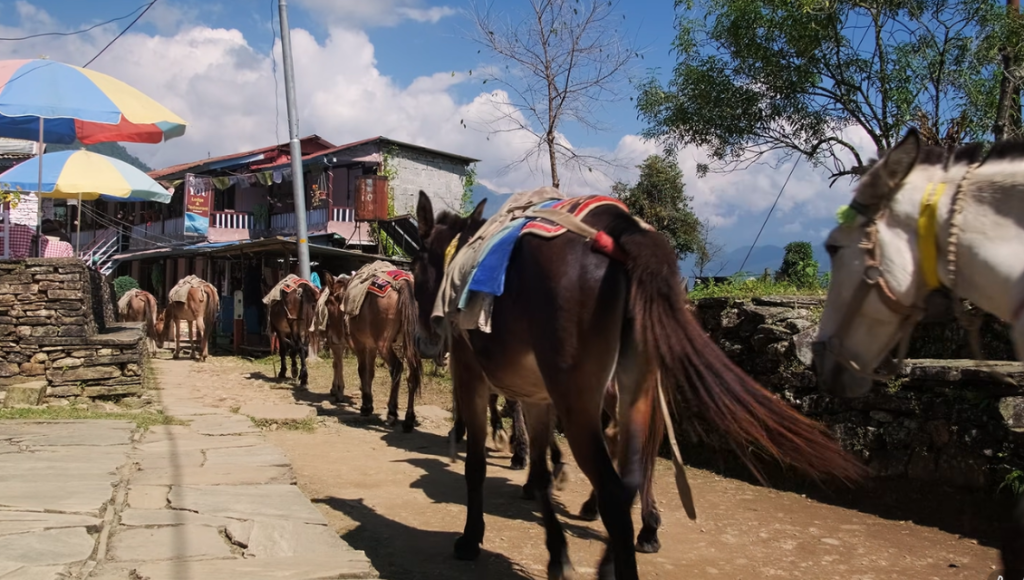
Long jeep journey from Kathmandu through the Marsyangdi valley to Koto, the gateway into the restricted Nar Phu side valley. The drive itself is scenic, with terraces, waterfalls and rising Himalayan walls. Overnight teahouse.

Drive to Koto via Besisahar (2,600 m)
Accommodation Teahouse
Meals Breakfast, Lunch, Dinner
Max Altitude 2,600 m
Distance 9–10 hrs drive
Day 3

Trek to Meta (3,560 m)

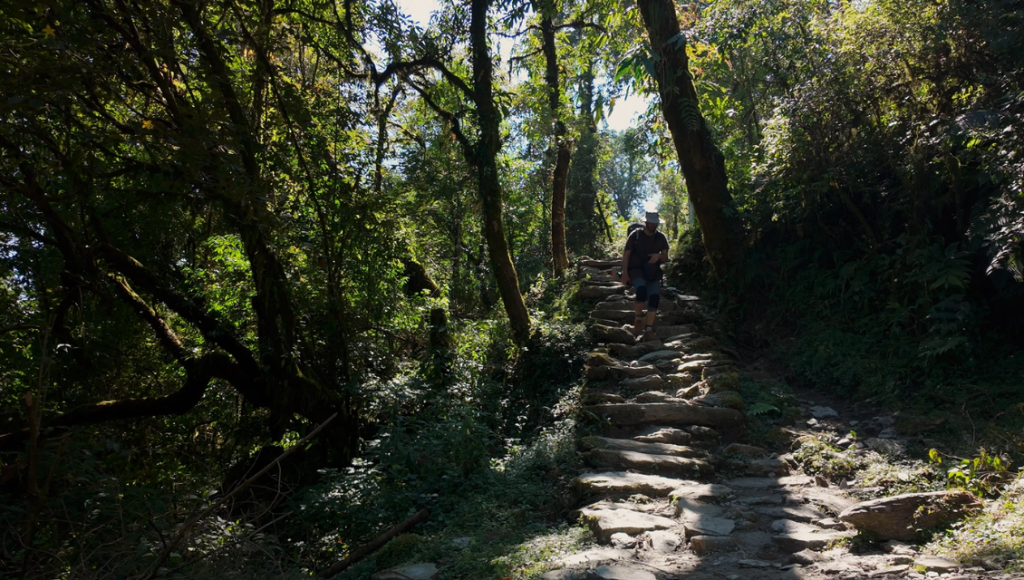
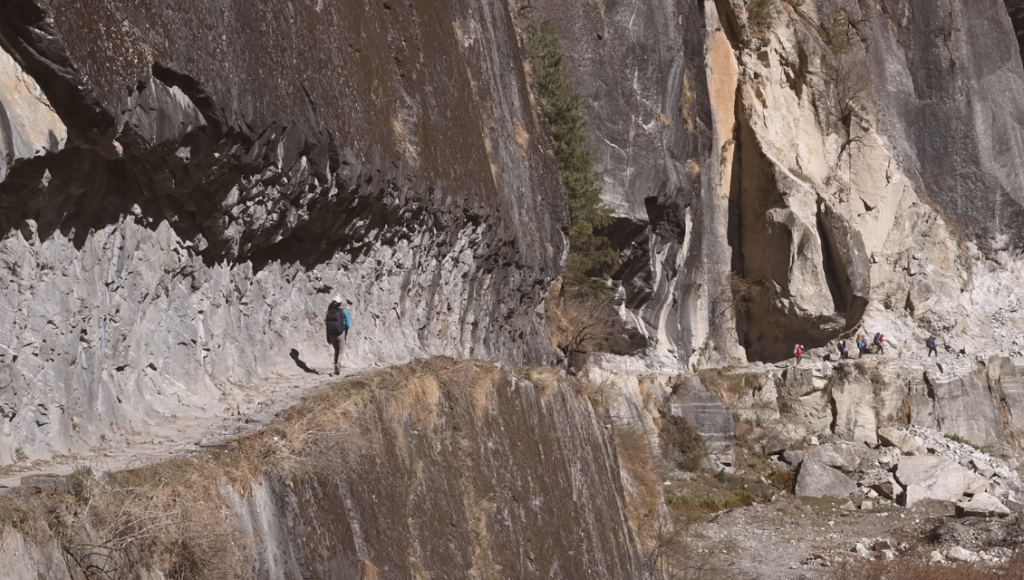
Leave the main Circuit trail and enter the restricted zone. Trek through dense forest, narrow canyons and rugged paths that define the remote character of the Nar Phu valley. Meta is a peaceful settlement with early panoramic views of the surrounding ranges. Overnight teahouse.

Trek to Meta (3,560 m)
Accommodation Teahouse
Meals Breakfast, Lunch, Dinner
Max Altitude 3,560 m
Distance 6–7 hrs
Day 4

Trek to Phu Village (4,080 m)

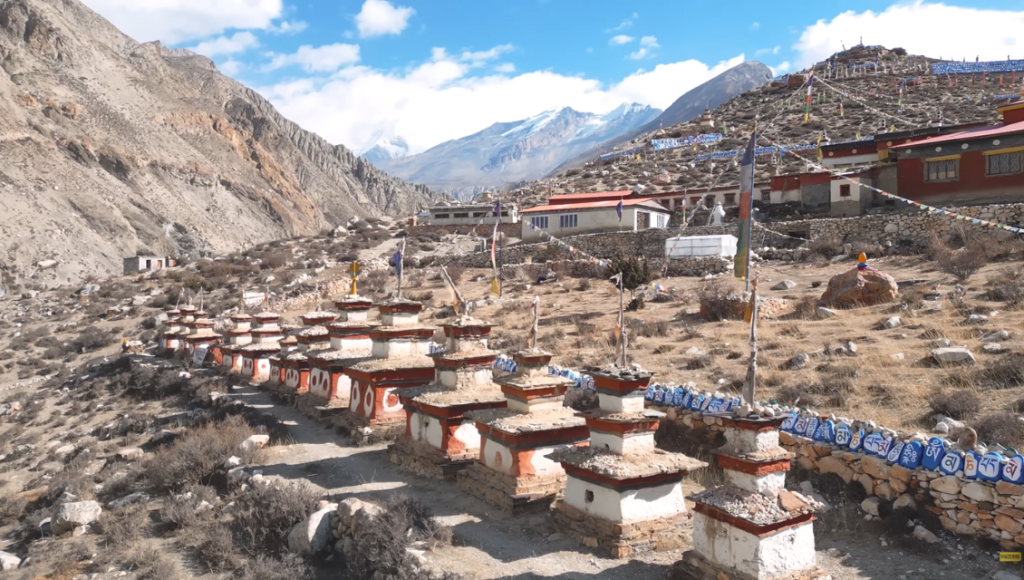
Continue deeper into the isolated Phu Valley past dramatic rock formations, ancient chortens and sparse high settlements. Arrive at Phu, known for its medieval stone houses, prayer flags and powerful sense of place beneath towering cliffs — one of the cultural jewels of the Annapurna region. Overnight teahouse.

Trek to Phu Village (4,080 m)
Accommodation Teahouse
Meals Breakfast, Lunch, Dinner
Max Altitude 4,080 m
Distance 6–7 hrs
Day 5

Acclimatisation and exploration in Phu

Rest day with optional short hikes. Visit the historic Tashi Lhakhang Monastery, local gompas and mani walls while absorbing the high-altitude Tibetan-influenced culture that makes the Nar Phu trek unique. Overnight teahouse.

Acclimatisation and exploration in Phu
Accommodation Teahouse
Meals Breakfast, Lunch, Dinner
Max Altitude 4,080 m
Distance Optional short hikes
Day 6

Trek to Nar Village (4,110 m)

Cross rugged alpine terrain and suspension bridges toward Nar, another traditional high settlement with preserved architecture and a strong cultural identity. The valley feels vast, quiet and far from the main trekking highways. Overnight teahouse.

Trek to Nar Village (4,110 m)
Accommodation Teahouse
Meals Breakfast, Lunch, Dinner
Max Altitude 4,110 m
Distance 6–7 hrs
Day 7

Cross Kang La Pass (5,320 m) to Ngawal (3,660 m)

The physical and scenic climax of the Nar Phu Manang trek. Early start for the long climb to Kang La (5,320 m) with sweeping views of the Annapurna range. Descend carefully toward Ngawal on the Manang side of the divide — a full, rewarding high-pass day. Overnight teahouse.

Cross Kang La Pass (5,320 m) to Ngawal (3,660 m)
Accommodation Teahouse
Meals Breakfast, Lunch, Dinner
Max Altitude 5,320 m
Distance 8–9 hrs
Day 8

Trek to Manang (3,540 m)

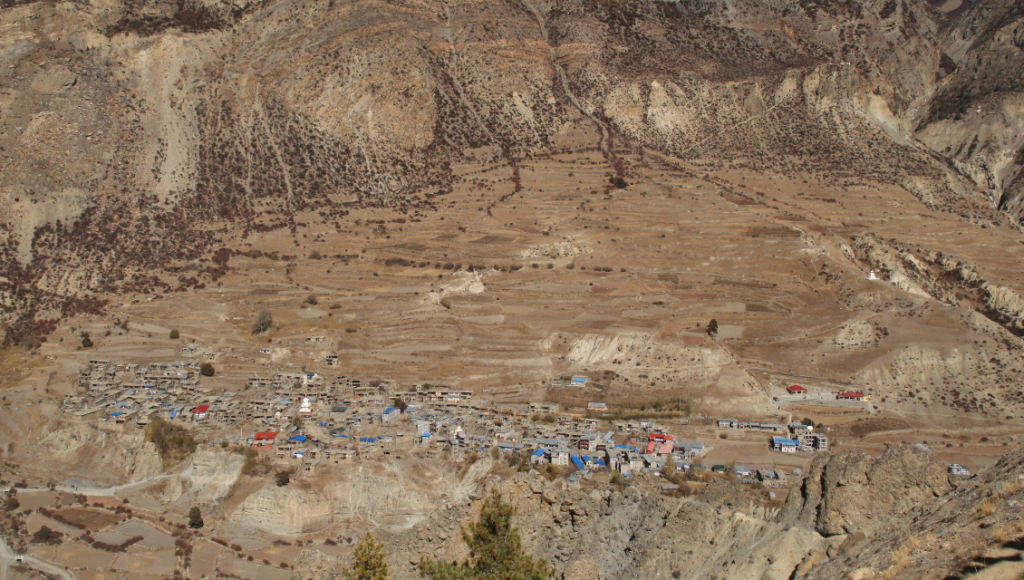
Join the classic Annapurna Circuit trails and walk into Manang. Reconnect with bakeries, wider valley views and the option to continue toward Thorong La or begin the journey out toward lower elevations. Overnight teahouse.

Trek to Manang (3,540 m)
Accommodation Teahouse
Meals Breakfast, Lunch, Dinner
Max Altitude 3,540 m
Distance 4–5 hrs
Day 9

Exit toward Besisahar / Pokhara

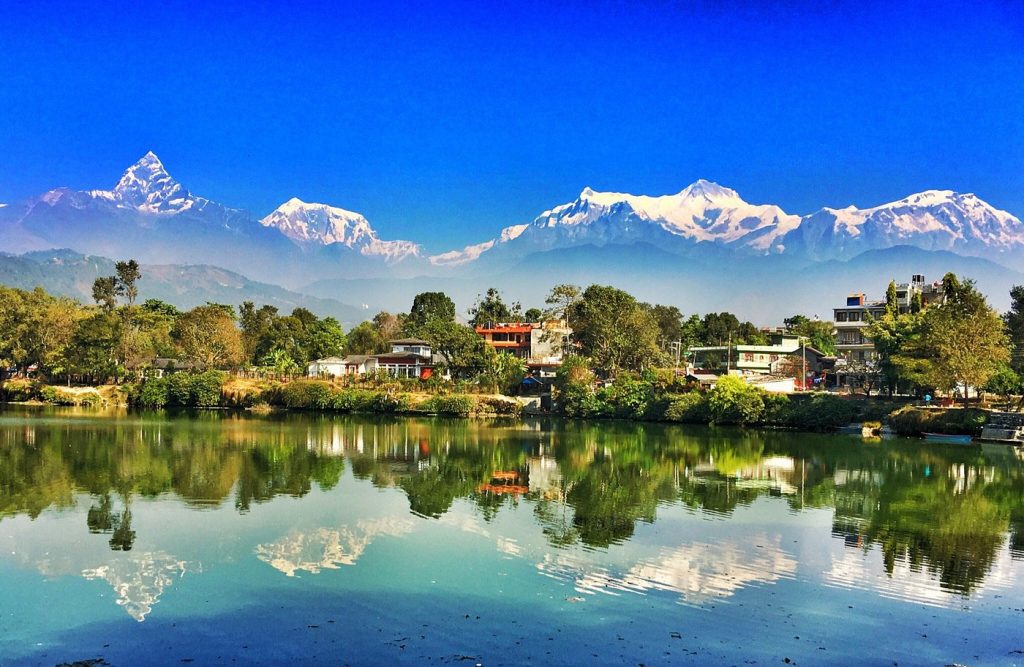
Descend or use jeep transport out of the high valleys toward Besisahar and onward to Pokhara, completing the remote Nar Phu – Manang circuit. Overnight hotel.

Exit toward Besisahar / Pokhara
Accommodation Hotel in Pokhara
Meals Breakfast, Lunch
Max Altitude 820 m
Distance —
Day 10

Return to Kathmandu (1,400 m)

Travel to Kathmandu. Overnight hotel.

Return to Kathmandu (1,400 m)
Accommodation Hotel in Kathmandu
Meals Breakfast
Max Altitude 1,400 m
Distance —
Day 11

Final departure

Airport transfer. End of Nar Phu Manang trek services.

Accommodation —
Meals Breakfast
Max Altitude 1,400 m
Distance Airport transfer

What’s Included / Excluded

Includes

  • Airport pickup and drop-off in Kathmandu, if included in the itinerary
  • Ground transportation between Kathmandu and the trekking starting and ending points
  • Experienced, English-speaking trekking guide
  • Licensed trekking guide required for the restricted Nar Phu region
  • Porter service

Excludes

  • ✕ International airfare
  • ✕ Nepal entry visa fee
  • ✕ Personal travel and trekking insurance
  • ✕ Emergency medical treatment and helicopter evacuation
  • ✕ Personal trekking equipment and clothing

Additional Information of Nar Phu Manang Trek

Best Time for Nar Phu Manang Trek

The best time for the Nar Phu Manang Trek is generally during spring (March to May) and autumn (September to November). These seasons usually provide favorable trekking conditions, clearer mountain views, and more stable weather for exploring the remote Nar Phu Valley and crossing Kang La Pass. Winter can bring heavy snowfall and freezing temperatures, particularly around the higher passes and remote villages. The monsoon season can bring rainfall, muddy trails, landslides, and reduced visibility on the lower sections of the route.

Nar Phu Manang Trek Difficulty

The Nar Phu Manang Trek is considered a challenging high-altitude trek. The route involves long walking days, steep ascents and descents, rugged trails, remote terrain, and the crossing of Kang La Pass at approximately 5,240 meters. Good physical fitness, previous trekking experience, proper acclimatization, and preparation for high-altitude conditions are recommended for this trek.

Nar Phu Valley Altitude

The Nar Phu Valley includes settlements at high elevations, with Phu Village situated at approximately 4,050 meters and Nar Village at approximately 4,150 meters. The gradual increase in altitude makes acclimatization an important part of the itinerary.

Kang La Pass

Kang La Pass is approximately 5,240 meters above sea level and is one of the most challenging and rewarding sections of the Nar Phu Trek. From the pass, trekkers can enjoy dramatic views of the Annapurna range, Gangapurna, Tilicho Peak, Himlung Himal, and surrounding mountain landscapes.

Nar Phu Trek Route

The Nar Phu Manang Trek generally begins in the lower Marsyangdi Valley before branching toward the remote Nar Phu region. Depending on the itinerary, the route can pass through locations such as Koto, Meta, Phu Village, Nar Village, Kang La Pass, Ngawal, and Manang. Some itineraries continue toward the Annapurna Circuit and cross Thorong La Pass, creating a longer combined Nar Phu and Annapurna Circuit trekking experience.

Restricted Area Permit

The Nar Phu Valley is a restricted trekking area in Nepal. Trekkers require a special restricted-area permit in addition to the applicable Annapurna Conservation Area and trekking registration requirements. Special permit requirements and fees can vary according to the season and current government regulations. Trekkers should travel with an authorized trekking agency and licensed guide and confirm the latest permit requirements before departure.

Accommodation During the Trek

Accommodation is generally provided in local teahouses, lodges, and traditional guesthouses. Facilities in the remote Nar Phu Valley are more basic than those found on the main Annapurna Circuit. Rooms are generally simple and may be arranged on a twin-sharing basis. Hot showers, Wi-Fi, electricity, and charging facilities can be limited, particularly in the more remote sections.

Food and Meals

Local teahouses and lodges provide traditional Nepali meals along with basic Tibetan and international-style dishes. Common options include dal bhat, rice, noodles, soups, potatoes, vegetables, eggs, bread, and Tibetan-style meals. Because the route is remote, food choices can be more limited than on the main Annapurna trekking routes. Carrying lightweight energy snacks such as nuts, chocolate, dried fruit, and energy bars is recommended.

Weather and Trail Conditions

Weather in the Nar Phu region can change rapidly. Higher sections around Kang La Pass can become extremely cold and snowy outside the main trekking seasons. Snowfall can make the pass difficult or temporarily inaccessible. Trail conditions can also be affected by landslides, rockfall, snow, rainfall, and changing mountain weather. The itinerary should remain flexible and the decision to cross Kang La Pass should be based on current trail and weather conditions.

Altitude Safety

The Nar Phu Manang Trek reaches above 5,000 meters, making altitude awareness essential. Trekkers should follow a gradual ascent schedule, maintain a steady walking pace, stay hydrated, and allow sufficient time for acclimatization. Symptoms such as headache, dizziness, nausea, unusual fatigue, or worsening shortness of breath should not be ignored. If symptoms become severe or worsen, descending to a lower altitude and seeking medical assistance is important.

Travel Insurance and Emergency Evacuation

Travel insurance is strongly recommended for the Nar Phu Trek. Your policy should cover high-altitude trekking, emergency medical treatment, and helicopter evacuation where applicable. Because the trek reaches approximately 5,240 meters at Kang La Pass, check the maximum altitude covered by your insurance policy before departure.

Responsible Trekking

The Nar Phu Valley is a remote and culturally sensitive mountain region. Trekkers should follow Leave No Trace principles, minimize plastic waste, carry reusable water bottles, dispose of rubbish properly, stay on designated trails, and respect local Buddhist traditions and community customs.

Culture and Local Communities

The Nar Phu Valley is known for its strong Tibetan-influenced Buddhist culture. The villages feature traditional stone houses, Buddhist monasteries, prayer walls, chortens, and prayer flags. Visitors should walk around monasteries and religious sites respectfully, avoid disturbing religious ceremonies, and follow local customs when photographing people or sacred places.

Why Choose Nar Phu Manang Trek?

The Nar Phu Manang Trek offers a combination of remote Himalayan landscapes, ancient mountain villages, Tibetan-influenced culture, dramatic valleys, high mountain passes, and spectacular Annapurna views. Its restricted status and relatively remote trails provide an opportunity to explore a less-traveled part of the Annapurna region. For experienced trekkers looking for a challenging Himalayan adventure with strong cultural and wilderness elements, the Nar Phu Valley provides a distinctive trekking experience in Nepal.

What to Bring for Nar Phu Manang Trek

  • Comfortable, waterproof trekking boots with good ankle support
  • Lightweight, quick-drying trekking trousers
  • Quick-drying trekking shirts
  • Thermal base layers
  • Warm fleece or mid-layer jacket
  • Warm down or insulated jacket
  • Waterproof and windproof jacket
  • Waterproof trekking trousers
  • Warm hat and sun hat
  • Warm insulated gloves
  • Comfortable trekking socks
  • UV-protection sunglasses
  • High-SPF sunscreen and lip balm
  • Comfortable daypack with rain cover
  • Reusable water bottles or hydration bladder
  • Water purification tablets or portable water filter
  • Adjustable trekking poles
  • Headlamp with spare batteries
  • Warm sleeping bag suitable for sub-zero temperatures
  • Personal first-aid kit and medications
  • Personal toiletries and quick-drying towel
  • Power bank and charging cables
  • Camera or smartphone
  • Passport and required trekking documents
  • Required Nar Phu trekking permits
  • Travel insurance details
  • Nepalese cash for personal expenses
  • Energy bars and personal snacks

FAQs about Nar Phu Manang Trek

What is the Nar Phu Manang Trek?
The Nar Phu Manang Trek is a remote Himalayan trekking adventure into the hidden Nar and Phu valleys of the Annapurna region, known for ancient villages, Tibetan-influenced culture and dramatic mountain landscapes.
How difficult is the Nar Phu Manang Trek?
The trek is considered challenging because of remote trails, steep ascents, high altitude, long walking days and the Kang La Pass crossing.
How high is the Nar Phu Manang Trek?
The route reaches approximately 5,320 metres at Kang La Pass, depending on the specific trail and route followed.
How many days does the Nar Phu Manang Trek take?
The trek generally takes around 10 to 14 days depending on the itinerary, acclimatisation schedule and transportation arrangements.
What is the best time for the Nar Phu Manang Trek?
Spring from March to May and autumn from September to November are generally the best seasons for stable weather, clear mountain views and better trail conditions.
Is Nar Phu Trek suitable for beginners?
The trek is better suited to trekkers with good fitness and some previous high-altitude trekking experience because of its remote nature and demanding high-altitude sections.
Do I need a sleeping bag for the Nar Phu Trek?
Yes, a warm sleeping bag suitable for sub-zero temperatures is strongly recommended because nights at higher elevations can be extremely cold.
Do I need trekking poles?
Trekking poles are highly recommended for steep, rocky and uneven trails and for additional stability while crossing high-altitude sections.
Is altitude sickness a concern on the Nar Phu Manang Trek?
Yes. The route reaches above 5,000 metres, particularly at Kang La Pass, so proper acclimatisation, hydration and a gradual pace are important.
What mountains can I see during the Nar Phu Trek?
The trek offers views of Annapurna II, Annapurna III, Gangapurna, Tilicho Peak, Himlung Himal, Manaslu and other surrounding Himalayan peaks, depending on weather and location.
What is special about Nar and Phu villages?
Nar and Phu are remote traditional mountain settlements with Tibetan-influenced architecture, Buddhist monasteries, prayer walls and distinctive local culture.
Do I need a special permit for Nar Phu Valley?
Yes. Nar Phu is a restricted trekking area, and trekkers require the applicable restricted-area permit in addition to other required trekking and conservation permits.
Can I trek Nar Phu without a guide?
The Nar Phu restricted area has specific permit and guide requirements, so trekkers should arrange the trek through an authorized trekking agency and licensed guide.
What accommodation is available on the Nar Phu Manang Trek?
Accommodation is generally provided in local teahouses and lodges, with basic rooms and shared facilities. Facilities become more limited in remote villages.
What food is available during the trek?
Local teahouses generally serve dal bhat, noodles, soups, rice, potatoes, eggs and other simple trekking meals.
Is Wi-Fi available on the Nar Phu Trek?
Connectivity is limited in the remote valleys. Some villages may have mobile service or internet access, but reliable connectivity should not be expected throughout the trek.
Can I do the Nar Phu Manang Trek in winter?
Winter conditions can make the trek particularly challenging because of heavy snow, freezing temperatures and potentially difficult high-pass crossings.
Is travel insurance recommended for Nar Phu Trek?
Comprehensive travel insurance covering high-altitude trekking, emergency medical treatment and evacuation is strongly recommended.
What is the main highlight of the Nar Phu Manang Trek?
The main highlights include the remote Nar and Phu valleys, ancient Himalayan villages, Tibetan Buddhist culture, spectacular mountain scenery and the challenging Kang La Pass crossing.