Best Seller

Annapurna Base Camp Trek

Premium guided trek · Local experts · Clean trails

15 Days 4,130 m Moderate Mar–May, Sep–Nov 2–17 people

Highlights of Annapurna Base Camp Trek

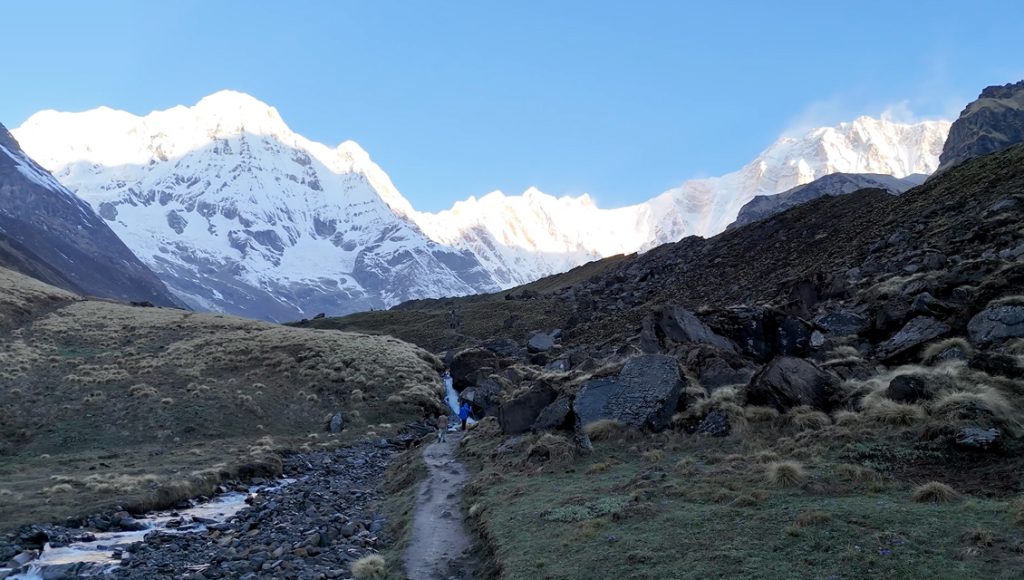
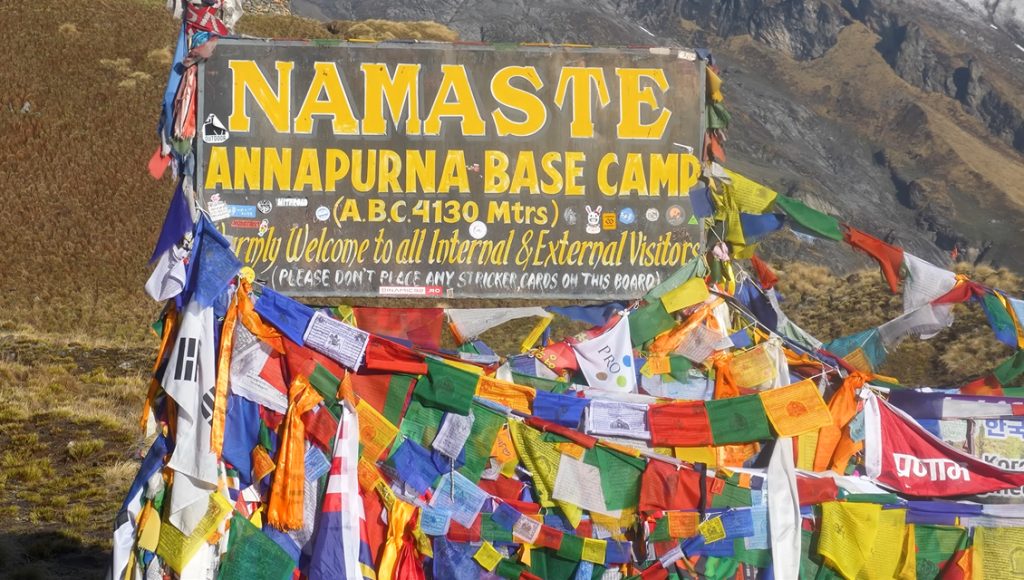
Reach Annapurna Base Camp (4,130 m) in the Sanctuary

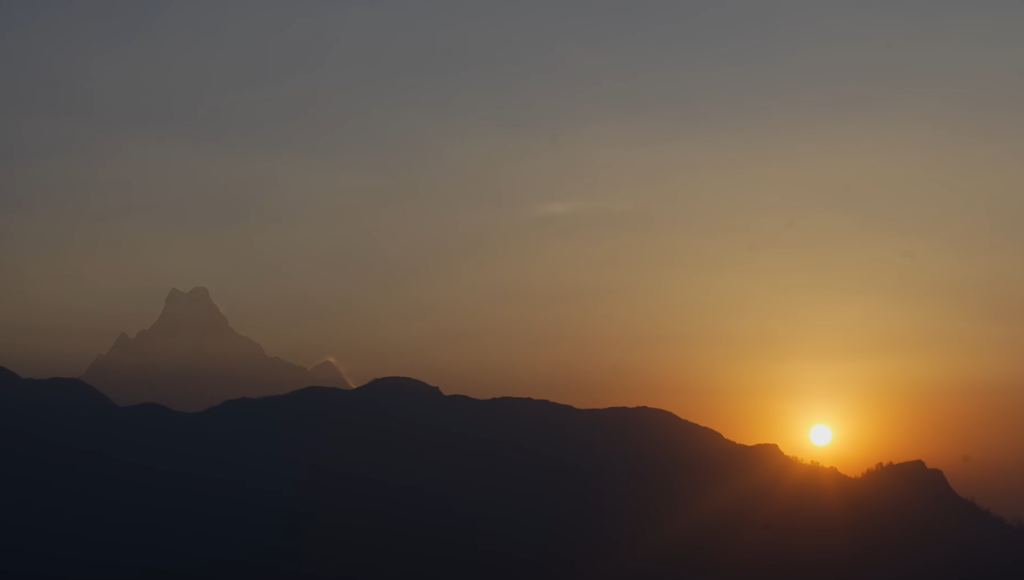
Poon Hill sunrise over Annapurna and Dhaulagiri ranges

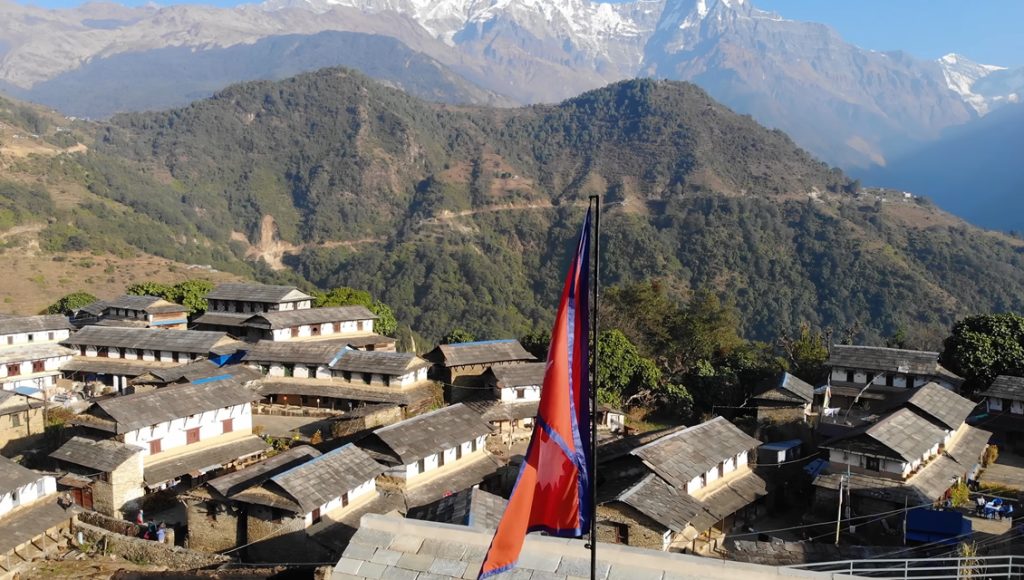
Gurung villages – Ghandruk, Chhomrong and traditional hospitality

Natural hot springs at Jhinu Danda beside the Modi Khola

Close views of Annapurna I, Machhapuchhre, Hiunchuli and Annapurna South

Fully supported teahouse trek with licensed local guides

Overview of Annapurna Base Camp Trek

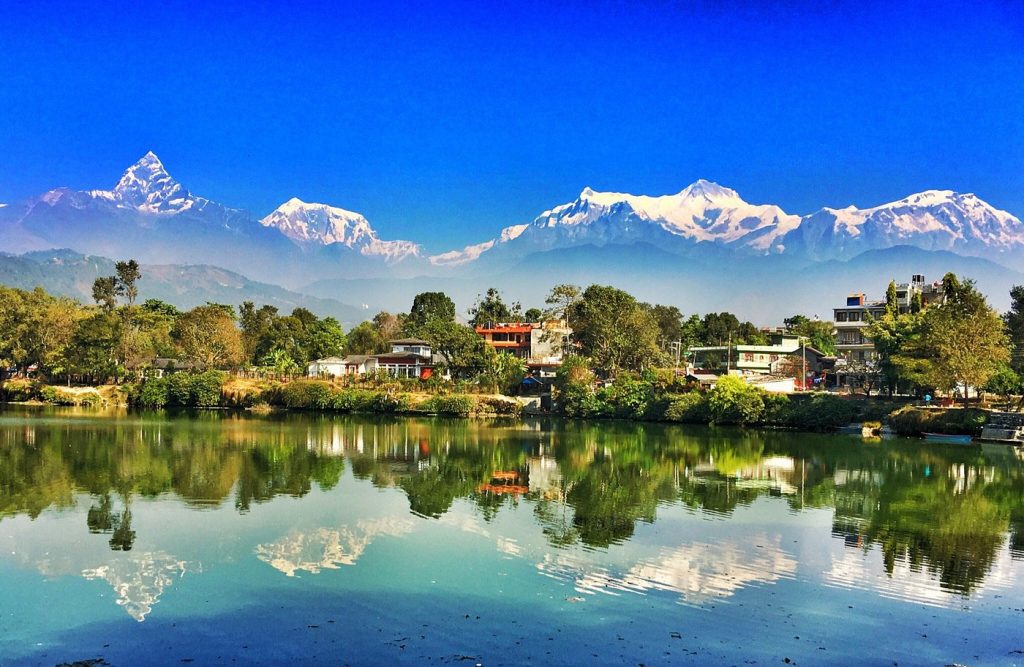
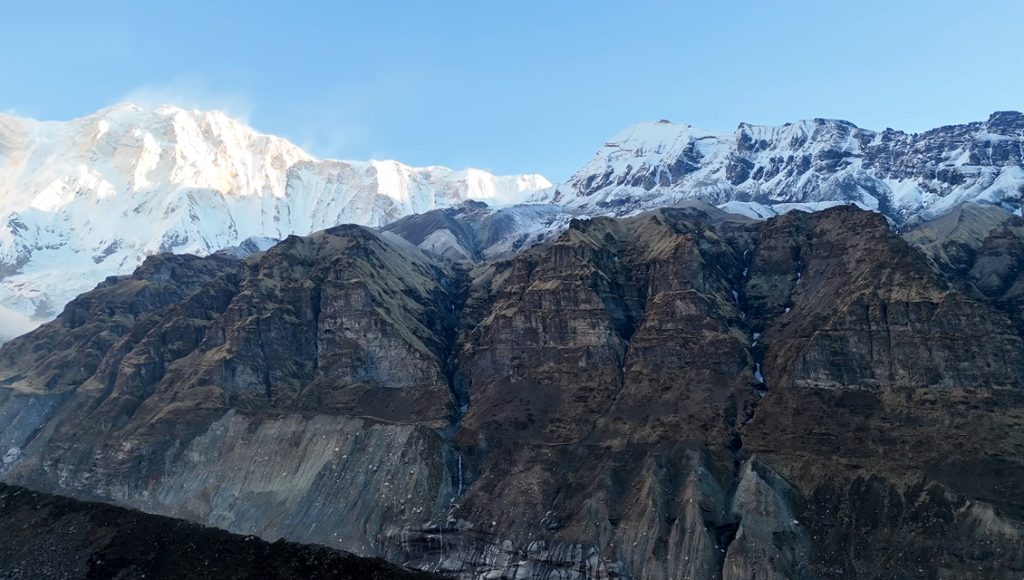
The Annapurna Base Camp Trek is one of Nepal’s most iconic and rewarding Himalayan journeys. This classic route leads into the heart of the Annapurna Sanctuary — a natural amphitheatre at 4,130 metres surrounded by Annapurna I (8,091 m), Machhapuchhre (Fishtail), Hiunchuli and Annapurna South.

Trekkers walk through Gurung and Magar villages, rhododendron and bamboo forests, and the dramatic Modi Khola gorge before entering high alpine terrain. Key highlights of this Annapurna Base Camp trek include the famous Poon Hill sunrise, comfortable teahouse lodges, and natural hot springs at Jhinu Danda on the return.

Best seasons are spring (March–May) and autumn (September–November), when skies are clear and mountain views are at their best. The trek suits moderately fit beginners and intermediate trekkers seeking a complete Annapurna region experience with licensed local guides and full support.

Detailed Itinerary of Annapurna Base Camp Trek

Day 1

Arrival in Kathmandu (1,400 m)

Welcome to Nepal and the start of your Annapurna Base Camp adventure. Upon landing at Tribhuvan International Airport in Kathmandu, our representative will meet you outside the terminal with a name board and assist with the short transfer to your hotel in the bustling Thamel district — the heart of Nepal's trekking scene. After check-in, take time to rest, recover from jet lag, or explore nearby streets filled with gear shops, cafés and temples. In the evening, join your licensed trekking guide for a comprehensive briefing covering the full Annapurna Base Camp itinerary, daily distances, altitude profile, packing recommendations, emergency procedures and cultural tips. Any last-minute equipment can be rented or purchased in Thamel. Overnight at your Kathmandu hotel.

Arrival in Kathmandu (1,400 m)
Accommodation Hotel in Kathmandu
Meals Dinner
Max Altitude 1,400 m
Distance Airport transfer
Day 2

Fly or drive to Pokhara (820 m)

After breakfast, begin the journey from Kathmandu to Pokhara, the scenic lakeside gateway to the entire Annapurna region. You may choose a short 25-minute mountain flight offering dramatic aerial views of the Himalayan chain, or a comfortable 6–7 hour drive along the Prithvi Highway following the Trishuli River through terraced hillsides, rural villages and green valleys. Upon arrival in Pokhara, check into your hotel near Phewa Lake. The afternoon is free to stroll the lakeside promenade, enjoy optional boating with reflections of Machhapuchhre, or simply rest and prepare gear for the trail. Your guide will confirm tomorrow's early departure and trailhead logistics. Overnight in Pokhara.

Fly or drive to Pokhara (820 m)
Accommodation Hotel in Pokhara
Meals Breakfast, Lunch, Dinner
Max Altitude 820 m
Distance 25 min flight or 6–7 hrs drive
Day 3

Drive to Nayapul (1,070 m) and trek to Tikhedhunga (1,540 m)

After an early breakfast, drive approximately 1.5–2 hours by private vehicle to Nayapul, the traditional starting point of the Annapurna Base Camp trek. Meet your porter team, complete final permit checks, and begin walking through the lively village of Birethanti. The trail follows the Modi Khola valley through terraced farmland, subtropical forest and small riverside settlements, crossing suspension bridges and passing local teahouses. Gradual ascent leads through traditional villages before reaching Tikhedhunga, a quiet overnight stop nestled at the foot of the famous Ulleri stone staircase. This first trekking day introduces you to the rhythm of the Annapurna Conservation Area — warm hospitality, changing vegetation and the first glimpses of Himalayan foothills. Overnight in a local teahouse.

Drive to Nayapul (1,070 m) and trek to Tikhedhunga (1,540 m)
Accommodation Teahouse
Meals Breakfast, Lunch, Dinner
Max Altitude 1,540 m
Distance 4–5 hrs trek + 1.5–2 hrs drive
Day 4

Trek to Ghorepani (2,860 m)

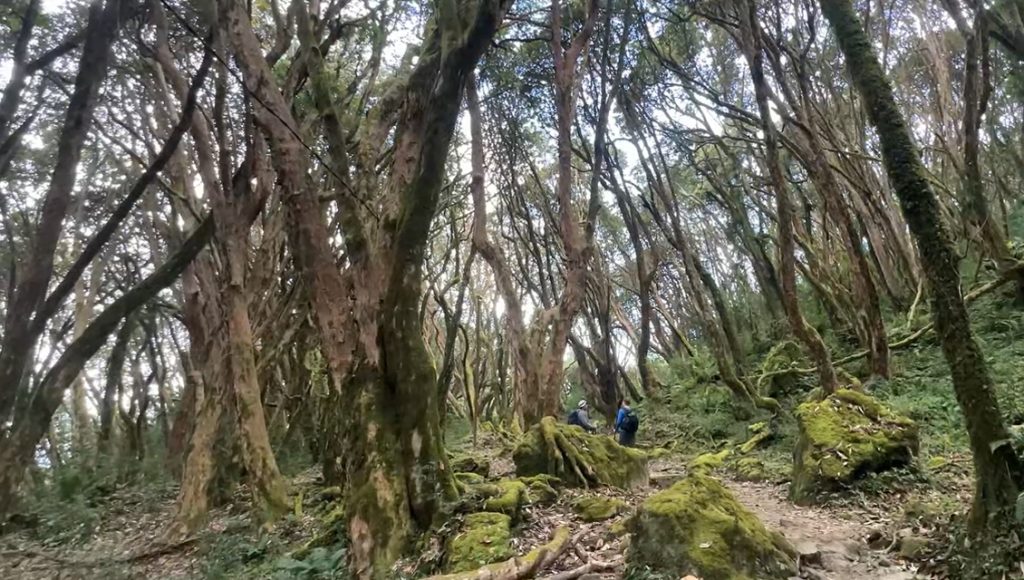
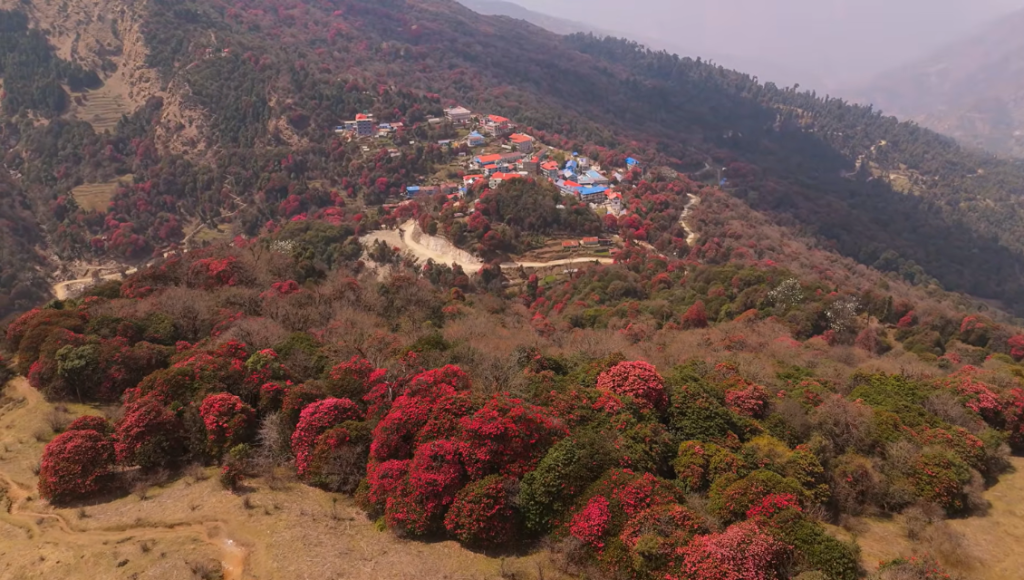
Today features one of the most memorable climbs of the entire Annapurna Base Camp trek: the long stone staircase ascending to Ulleri, a traditional Magar village with your first open panoramic views of the Annapurna and Dhaulagiri ranges. The steps are numerous but the pace is steady, with plenty of rest points and teahouse stops. Beyond Ulleri the trail continues through dense rhododendron and oak forest, passing Banthanti and Nangethanti. In spring the hillsides explode with red, pink and white rhododendron blooms — one of the most beautiful sections of any Nepal trek. Arrive at Ghorepani, a lively mountain settlement perched on a ridge and famous for its sweeping Himalayan scenery and comfortable teahouses. Rest early this evening; tomorrow begins before dawn with the classic Poon Hill sunrise, a highlight of every Annapurna Base Camp itinerary. Overnight in Ghorepani.

Trek to Ghorepani (2,860 m)
Accommodation Teahouse
Meals Breakfast, Lunch, Dinner
Max Altitude 2,860 m
Distance 6–7 hrs
Day 5

Poon Hill sunrise (3,210 m) and trek to Tadapani (2,630 m)

Rise well before dawn for the short but steep hike to Poon Hill (3,210 m), one of Nepal's most celebrated viewpoints and a signature experience of the Annapurna Base Camp trek. As the first light strikes the peaks, watch Dhaulagiri (8,167 m), Annapurna I, Annapurna South and Machhapuchhre glow in gold and pink — a moment trekkers remember for a lifetime. After sunrise photographs and a warming drink at the viewpoint, return to Ghorepani for a full breakfast. Then continue along scenic ridgeline trails and beautiful rhododendron forest toward Tadapani. The path offers repeated mountain vistas, birdlife and a peaceful atmosphere as you leave the busier Poon Hill crowds behind. Overnight in a quieter forest teahouse at Tadapani with excellent evening views of Annapurna South and Machhapuchhre.

Poon Hill sunrise (3,210 m) and trek to Tadapani (2,630 m)
Accommodation Teahouse
Meals Breakfast, Lunch, Dinner
Max Altitude 3,210 m (high) / 2,630 m (overnight)
Distance 6–7 hrs
Day 6

Trek to Chhomrong (2,170 m)

Descend through mixed forest and terraced agricultural fields, cross the Kimrong Khola on a suspension bridge, then climb steadily toward Chhomrong — a large, picturesque Gurung village widely regarded as the true gateway to the Annapurna Sanctuary. Chhomrong sits on a hillside with outstanding close-up views of Annapurna South and the sacred Machhapuchhre (Fishtail). Explore stone-paved lanes, enjoy local hospitality, and take time to hydrate and rest. This is an important acclimatisation and logistics stop before the higher, more alpine section of the Annapurna Base Camp trek. Your guide will brief you on the next days' ascent into the Modi Khola gorge. Overnight in a Chhomrong teahouse.

Trek to Chhomrong (2,170 m)
Accommodation Teahouse
Meals Breakfast, Lunch, Dinner
Max Altitude 2,170 m
Distance 5–6 hrs
Day 7

Trek to Bamboo (2,310 m)

Begin with a long descent down stone steps from Chhomrong to the river at Chhomrong Khola, then climb again through lush bamboo, oak and rhododendron forest via the settlement of Sinuwa. The trail follows a tranquil corridor of waterfalls, mossy trees and dense vegetation as the valley gradually narrows. The air grows cooler and the sense of entering a more remote mountain environment deepens. Bamboo is a peaceful overnight stop that prepares you physically and mentally for the higher alpine approach toward Deurali, Machhapuchhre Base Camp and ultimately Annapurna Base Camp. Overnight in a forest teahouse.

Trek to Bamboo (2,310 m)
Accommodation Teahouse
Meals Breakfast, Lunch, Dinner
Max Altitude 2,310 m
Distance 5–6 hrs
Day 8

Trek to Himalaya (2,920 m)

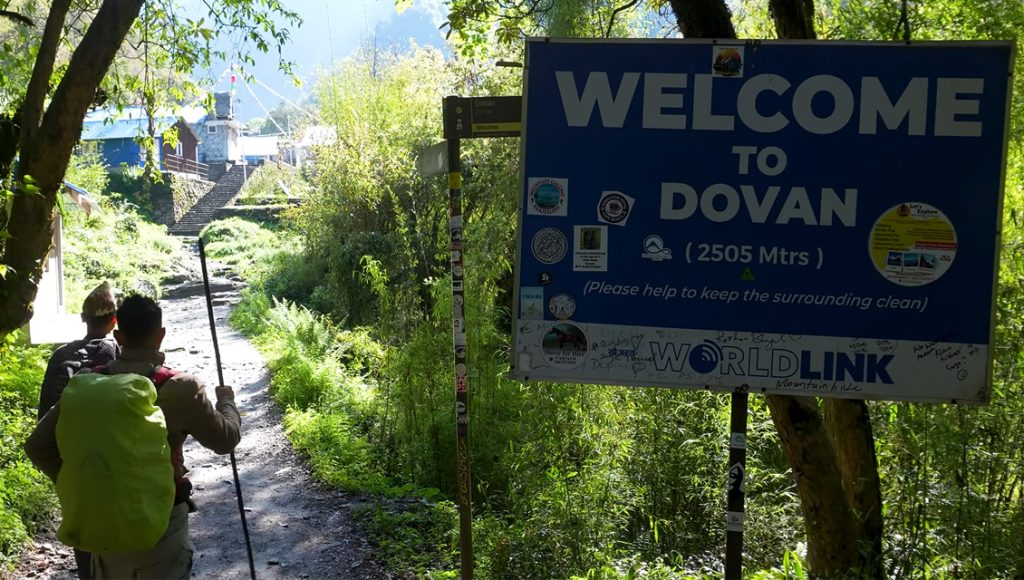
Continue the steady ascent through cool, moss-covered forest past Dovan and into the higher section of the Modi Khola gorge. Vegetation thins as steep cliffs rise on both sides and the sound of the river echoes through the narrow valley. The landscape becomes increasingly dramatic and alpine. Himalaya lodge sits in a striking setting and marks the clear transition from dense forest to true high-mountain terrain on the approach to Annapurna Base Camp. Take it slow, stay hydrated, and enjoy the changing scenery. Overnight at Himalaya.

Trek to Himalaya (2,920 m)
Accommodation Teahouse
Meals Breakfast, Lunch, Dinner
Max Altitude 2,920 m
Distance 4–5 hrs
Day 9

Trek to Annapurna Base Camp (4,130 m)

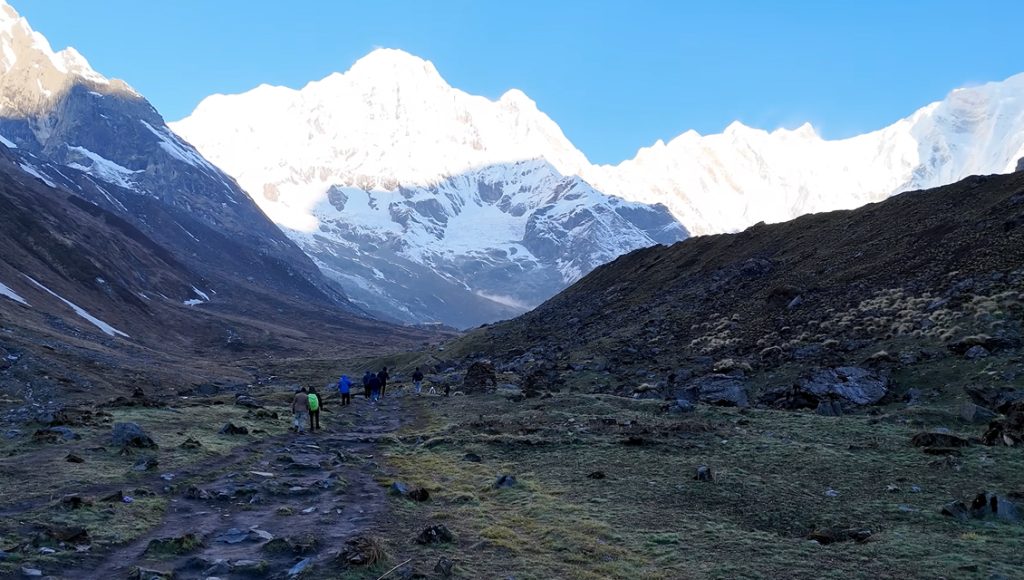
The most memorable and rewarding day of the entire Annapurna Base Camp trek. After breakfast, walk past Hinku Cave and continue to Machhapuchhre Base Camp (MBC), where the sacred Fishtail peak dominates the skyline. From MBC the trail enters the magnificent Annapurna Sanctuary — a vast glacial amphitheatre enclosed by peaks above 6,000 m and 7,000 m. The final stretch opens into the heart of the Sanctuary, and you arrive at Annapurna Base Camp at 4,130 metres with breathtaking 360-degree views of Annapurna I, Annapurna South, Hiunchuli, Gangapurna and Machhapuchhre. Sunset and overnight at ABC are the emotional high point of the journey. Dress warmly; temperatures drop sharply after dark. Overnight in the base camp teahouse.

Trek to Annapurna Base Camp (4,130 m)
Accommodation Teahouse
Meals Breakfast, Lunch, Dinner
Max Altitude 4,130 m
Distance 6–7 hrs
Day 10

Sunrise at ABC and trek to Dovan (2,600 m)

Wake before dawn for an unforgettable sunrise over Annapurna I and the surrounding Sanctuary walls — one of the finest mountain mornings in the Himalayas. After breakfast and final photographs, begin the long descent, carefully retracing the route through Machhapuchhre Base Camp, Deurali and Himalaya. Continue through alpine landscapes and re-enter the forest zone toward Dovan. Today is demanding on the knees and legs; trekking poles are strongly recommended. Pace yourself, take regular short breaks, and enjoy the changing perspectives on the peaks as you lose altitude. Overnight in Dovan.

Sunrise at ABC and trek to Dovan (2,600 m)
Accommodation Teahouse
Meals Breakfast, Lunch, Dinner
Max Altitude 2,600 m
Distance 6–7 hrs
Day 11

Trek to Jhinu Danda (1,780 m) – hot springs

Continue the descent via Bamboo and Sinuwa back toward Chhomrong, then drop down to Jhinu Danda beside the Modi Khola River. Jhinu is famous across the Annapurna region for its natural hot springs — a perfect place to soothe tired muscles after the high days at Annapurna Base Camp. After checking into your teahouse, walk down to the riverside pools for a relaxing soak (small local fee may apply). Evening free to rest, share stories with fellow trekkers, and enjoy a hearty mountain meal. Overnight in Jhinu Danda.

Trek to Jhinu Danda (1,780 m) – hot springs
Accommodation Teahouse
Meals Breakfast, Lunch, Dinner
Max Altitude 1,780 m
Distance 6 hrs
Day 12

Trek to Ghandruk (1,940 m)

Cross a suspension bridge and follow a scenic trail through forests, stone steps and terraced hillsides to Ghandruk, one of the largest and most beautiful Gurung villages in the Annapurna region. Ghandruk offers traditional stone architecture, cultural museums, local craft shops and outstanding views of Annapurna South, Hiunchuli and Machhapuchhre. Spend the afternoon exploring the village lanes, learning about Gurung heritage, and absorbing the mountain atmosphere. Ghandruk is a cultural high point of the classic Annapurna Base Camp itinerary and a wonderful contrast to the high alpine days. Overnight in a Ghandruk teahouse.

Trek to Ghandruk (1,940 m)
Accommodation Teahouse
Meals Breakfast, Lunch, Dinner
Max Altitude 1,940 m
Distance 5–6 hrs
Day 13

Drive to Pokhara (820 m)

After breakfast, leave the trail and drive back to Pokhara through picturesque mountain roads with final views of the foothills. Upon arrival, check into your lakeside hotel and enjoy a free afternoon to relax by Phewa Lake, explore the lakeside market, take an optional boat ride, or visit the World Peace Pagoda. Celebrate the successful completion of your Annapurna Base Camp trek with dinner and reflection on the journey from Tikhedhunga to the Sanctuary and back. Overnight in Pokhara.

Drive to Pokhara (820 m)
Accommodation Hotel in Pokhara
Meals Breakfast, Lunch, Dinner
Max Altitude 820 m
Distance 3–4 hrs drive
Day 14

Return to Kathmandu (1,400 m)

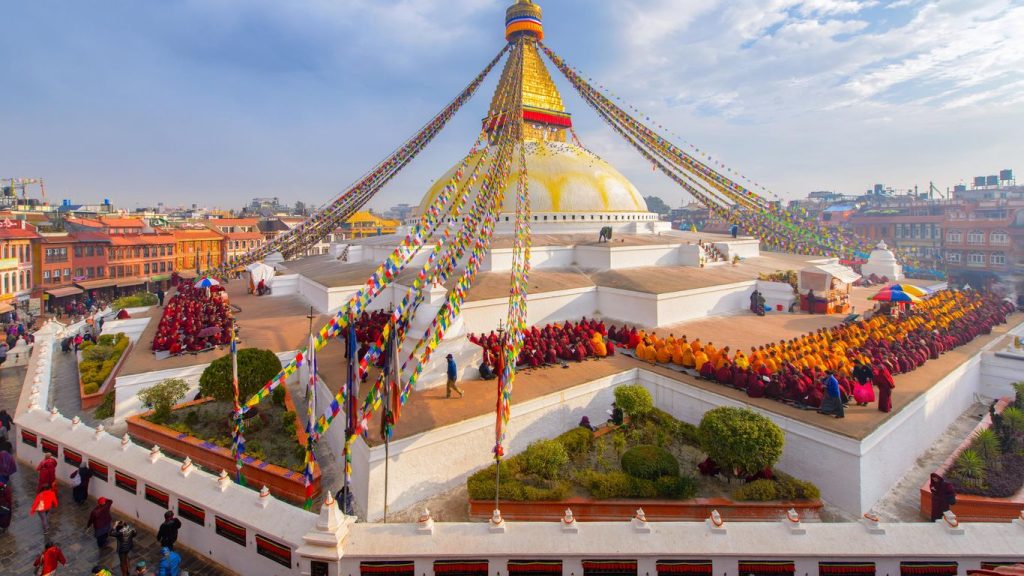
Fly or drive back to Kathmandu according to your preferred option. Upon arrival, transfer to your hotel. The afternoon is free for souvenir shopping in Thamel, optional cultural sightseeing at sites such as Pashupatinath, Boudhanath or Kathmandu Durbar Square, or simply resting after the trek. Your guide remains available for any final questions or onward travel assistance. Overnight in Kathmandu.

Return to Kathmandu (1,400 m)
Accommodation Hotel in Kathmandu
Meals Breakfast
Max Altitude 1,400 m
Distance 25 min flight or 6–7 hrs drive
Day 15

Final departure

After breakfast, transfer to Tribhuvan International Airport for your onward international flight. Our team will assist with departure timing and airport drop-off. End of the Annapurna Base Camp trek services. We hope to welcome you back to the Himalayas again.

Accommodation —
Meals Breakfast
Max Altitude 1,400 m
Distance Airport transfer

What’s Included / Excluded

Includes

  • Licensed English-speaking trekking guide
  • Porter service (1 porter per 2 trekkers)
  • Annapurna Conservation Area Permit (ACAP) and TIMS card
  • Teahouse accommodation throughout the trek
  • Breakfast, lunch and dinner on all trekking days

Excludes

  • ✕ International flights to and from Nepal
  • ✕ Nepal entry visa fees
  • ✕ Travel and medical insurance (mandatory)
  • ✕ Personal trekking equipment and sleeping bag rental
  • ✕ Drinks, bottled water, hot showers and battery charging

Additional Information of Annapurna Base Camp Trek

Geography and Landscape of the Annapurna Base Camp Trek

The Annapurna Base Camp Trek is located in the Annapurna region of central Nepal, entirely within the Annapurna Conservation Area — the largest protected area in the country. The classic route begins from Nayapul or nearby trailheads accessible from Pokhara and follows the Modi Khola valley into the heart of the Annapurna Sanctuary at 4,130 metres. The landscape is extremely diverse. Lower sections pass through terraced farmland, subtropical forests and riverside settlements. As elevation increases, the trail enters dense rhododendron, oak and bamboo forests filled with waterfalls and suspension bridges. Higher still, vegetation becomes sparse and the mountains dominate the horizon. The final approach leads through a vast glacial basin — a natural amphitheatre surrounded by Annapurna I (8,091 m), Machhapuchhre, Hiunchuli and Annapurna South. Key stops include Ghorepani, Chhomrong, Bamboo, Deurali and Machhapuchhre Base Camp, each offering unique scenery before the ultimate destination at Annapurna Base Camp.

Climate and Best Time for the Annapurna Base Camp Trek

The best seasons for the Annapurna Base Camp trek are spring (March–May) and autumn (September–November). These periods offer stable weather, clear skies and excellent mountain visibility. Spring is especially beautiful due to blooming rhododendron forests that colour the trails in red, pink and white. Autumn provides crystal-clear views and comfortable temperatures after the monsoon, making it the most popular trekking period. Winter (December–February) is colder at higher elevations but still offers clear views and quieter trails for prepared trekkers. The monsoon season (June–August) is less favourable because of heavy rainfall, slippery paths and limited visibility.

People and Culture on the Annapurna Base Camp Route

The Annapurna Base Camp Trek passes through villages inhabited mainly by Gurung and Magar communities, known for their warm hospitality, traditional lifestyles and strong connection to the Himalayas. Villages such as Chhomrong, Ghandruk and Landruk offer insight into rural mountain life, with stone-built houses, terraced fields, prayer flags and traditional farming practices. Ghandruk is one of the most culturally rich stops, featuring museums and strong views of surrounding peaks.

Why Choose This Annapurna Base Camp Trek Package

This guided Annapurna Base Camp itinerary is designed for moderate fitness levels and includes licensed local guides, full teahouse support, ACAP and TIMS permits, and balanced daily pacing. Highlights include the famous Poon Hill sunrise, overnight at Annapurna Base Camp (4,130 m) and natural hot springs at Jhinu Danda.

What to Bring for Annapurna Base Camp Trek

  • Comfortable, waterproof trekking boots with good ankle support
  • Lightweight trekking trousers
  • Quick-drying trekking shirts
  • Thermal base layers
  • Warm fleece or mid-layer jacket
  • Warm down or insulated jacket
  • Waterproof and windproof jacket
  • Waterproof trekking trousers
  • Warm hat and sun hat
  • Warm insulated gloves
  • Comfortable trekking socks
  • UV-protection sunglasses
  • High-SPF sunscreen and lip balm
  • Comfortable daypack with rain cover
  • Reusable water bottle or hydration bladder
  • Water purification tablets or portable water filter
  • Adjustable trekking poles
  • Headlamp with spare batteries
  • Warm sleeping bag suitable for cold conditions
  • Personal first-aid kit and medications
  • Personal toiletries and quick-drying towel
  • Power bank and charging cables
  • Camera or smartphone
  • Passport and required trekking documents
  • Travel insurance details
  • Nepalese cash for personal expenses
  • Energy bars and personal snacks

FAQs about Annapurna Base Camp Trek

What is the Annapurna Base Camp Trek?
The Annapurna Base Camp Trek is a popular Himalayan trekking route leading into the Annapurna Sanctuary, surrounded by spectacular peaks including Annapurna I and Machhapuchhre.
How high is Annapurna Base Camp?
Annapurna Base Camp is located at approximately 4,130 metres above sea level.
How difficult is the Annapurna Base Camp Trek?
The trek is considered moderate to challenging, with steep stone stairways, uphill sections, changing terrain and increasing altitude.
How many days does the Annapurna Base Camp Trek take?
The trek generally takes around 7 to 12 days depending on the itinerary, starting point and transportation arrangements.
What is the best time for the Annapurna Base Camp Trek?
Spring from March to May and autumn from September to November are generally the best seasons for clear mountain views and favorable trekking conditions.
Is Annapurna Base Camp suitable for beginners?
The trek can be suitable for fit beginners with proper preparation, gradual acclimatisation and a reasonable walking pace.
Do I need a sleeping bag for Annapurna Base Camp?
Yes, a warm sleeping bag is recommended, particularly during winter and for overnight stays at higher elevations.
Do I need trekking poles?
Trekking poles are recommended for additional support on steep climbs, descents and the many stone stairways along the route.
What mountains can I see from Annapurna Base Camp?
The Annapurna Sanctuary offers impressive views of Annapurna I, Annapurna South, Hiunchuli, Machhapuchhre, Gangapurna and surrounding Himalayan peaks.
Is altitude sickness a concern on the Annapurna Base Camp Trek?
Yes. Because the route reaches above 4,000 metres, gradual acclimatisation, hydration and a controlled walking pace are important.
What accommodation is available on the Annapurna Base Camp Trek?
Trekkers generally stay in local teahouses and mountain lodges offering basic rooms and shared facilities.
What food is available during the trek?
Teahouses commonly serve dal bhat, noodles, soups, pasta, rice, potatoes, eggs and other simple trekking meals.
Do I need permits for Annapurna Base Camp?
Yes, trekkers need the applicable trekking permits and conservation-area documentation.
Is Wi-Fi available during the Annapurna Base Camp Trek?
Wi-Fi and mobile connectivity are available in some villages, although service can become limited or unreliable at higher elevations.
Can I trek to Annapurna Base Camp in winter?
Yes, but winter brings colder temperatures and the possibility of snow at higher elevations, so appropriate cold-weather equipment is essential.
Is travel insurance recommended for Annapurna Base Camp?
Comprehensive travel insurance covering trekking, medical emergencies and evacuation is strongly recommended.
What is the main highlight of the Annapurna Base Camp Trek?
The main highlight is reaching Annapurna Base Camp inside the spectacular Annapurna Sanctuary, surrounded by towering Himalayan peaks and dramatic mountain scenery.