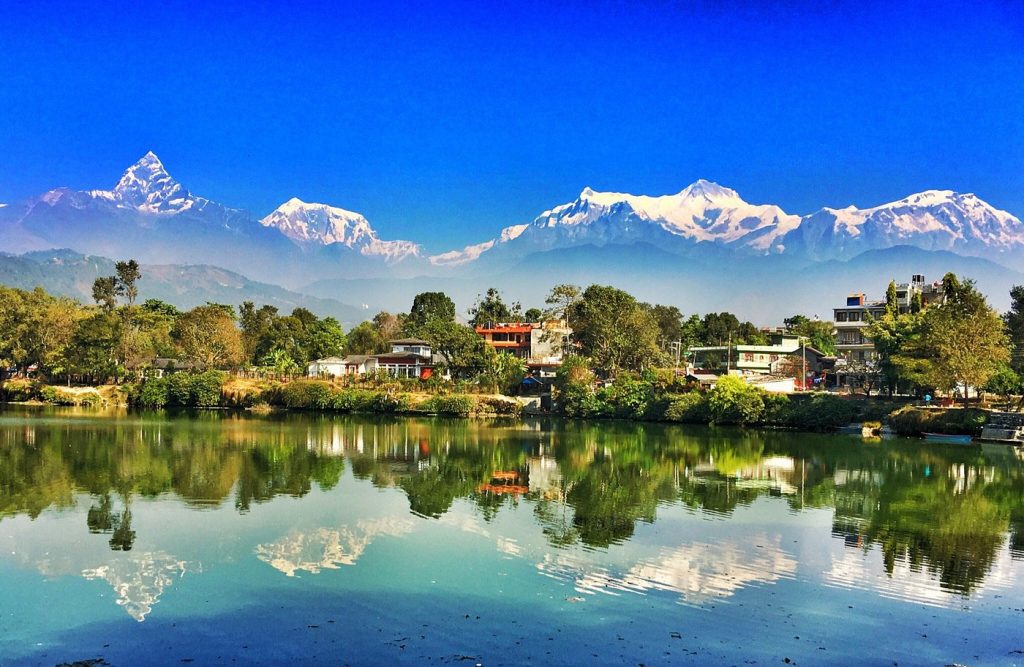
Remote

Annapurna North Base Camp Trek

Premium guided trek · Local experts · Clean trails

12 Days 4,190 m Challenging Mar–May, Sep–Nov 2–12 people

Highlights of Annapurna North Base Camp Trek

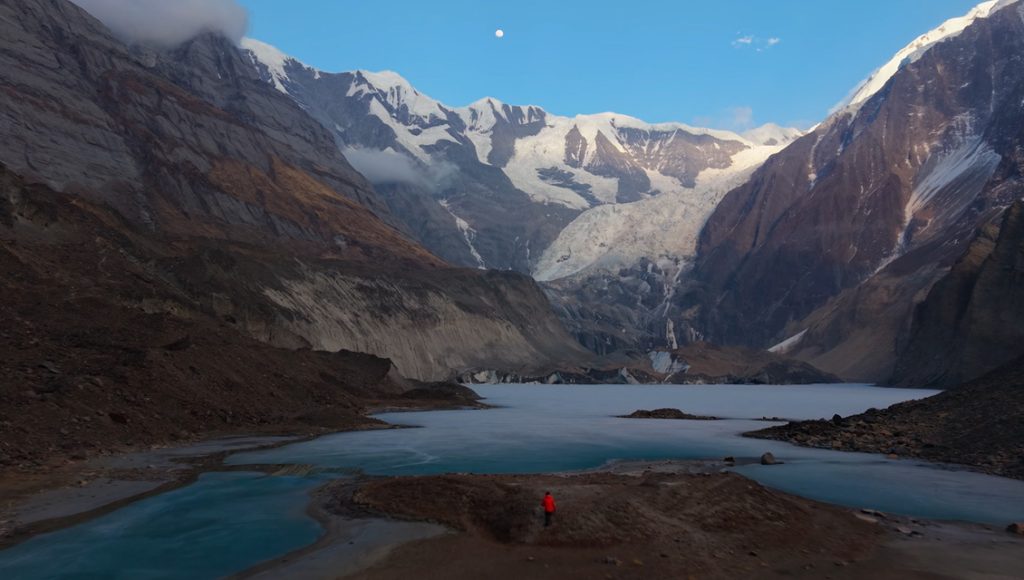
North face of Annapurna I at approximately 4,190 m

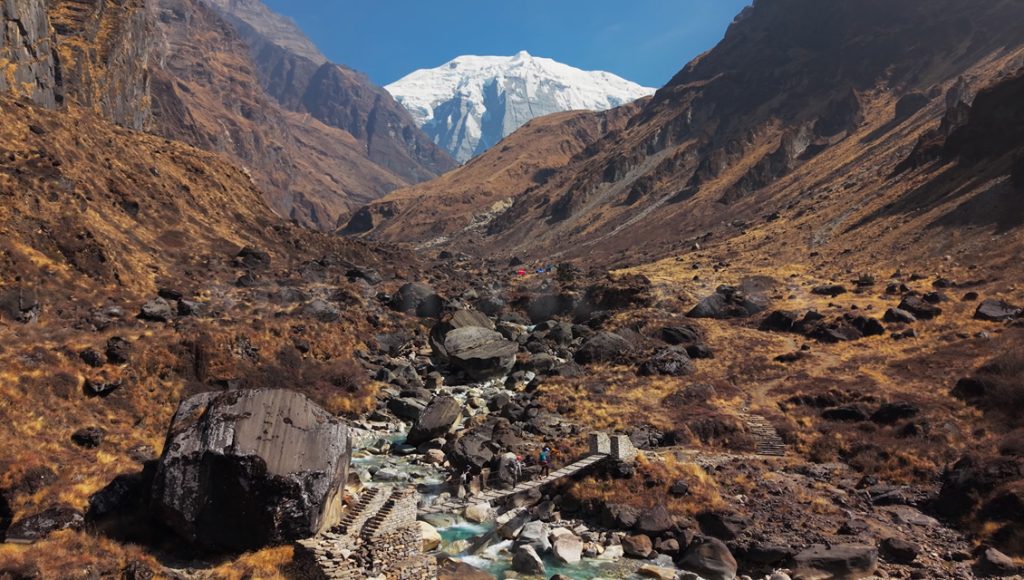
Remote Narchyang Valley wilderness route

Low-crowd trails and true Himalayan solitude

Magar and Poon cultural villages

Optional ridge and glacier viewpoint hikes

Overview of Annapurna North Base Camp Trek

The Annapurna North Base Camp Trek is an exciting and remote Himalayan trekking adventure in Nepal, offering trekkers the opportunity to explore the northern side of the spectacular Annapurna massif. This off-the-beaten-path trek combines dramatic Himalayan mountain views, remote valleys, traditional villages, alpine landscapes and peaceful trekking trails away from the busier routes of the Annapurna region.

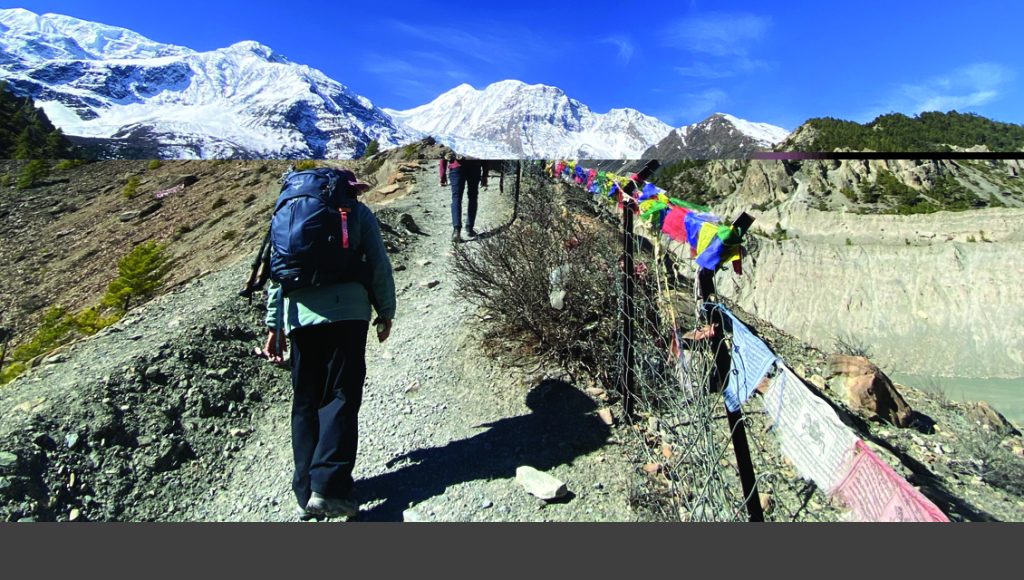
The Annapurna North Base Camp Trek takes you through diverse landscapes as the trail gradually climbs from lush valleys and forested hills to rugged alpine terrain. Along the journey, trekkers can experience the natural beauty of the Annapurna region, encounter traditional Himalayan communities and enjoy impressive views of the surrounding peaks.

One of the main highlights of the trek is reaching the Annapurna North Base Camp, where the remote mountain environment provides an unforgettable Himalayan experience. The spectacular surroundings, dramatic glaciers, rugged cliffs and towering peaks make this trek particularly appealing to adventurous travelers looking for a less-traveled alternative to Nepal’s classic trekking routes.

Compared with established trails such as the Annapurna Circuit and Annapurna Base Camp Trek, the Annapurna North Base Camp Trek offers a more remote trekking experience with fewer trekkers and limited infrastructure in some sections. Depending on the chosen itinerary, camping may be required in remote areas, supported by an experienced trekking crew.

The trek is considered challenging due to its remote terrain, elevation gain, long walking days and high-altitude conditions. Proper physical preparation, acclimatisation and suitable trekking equipment are important for a safe and enjoyable journey.

For travelers seeking remote Himalayan trekking in Nepal, the Annapurna North Base Camp Trek offers a unique combination of wilderness, mountain scenery, cultural experiences and high-altitude adventure. It is an ideal choice for trekkers who want to discover a quieter and less-explored side of the magnificent Annapurna region.

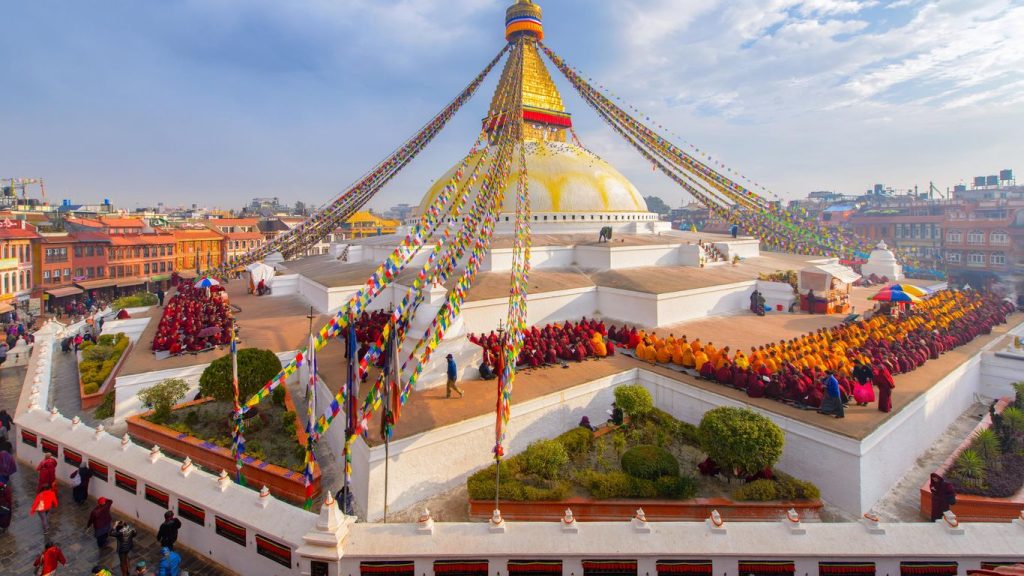
Detailed Itinerary of Annapurna North Base Camp Trek

Day 1

Arrival in Kathmandu (1,400 m)

Welcome to Nepal. Meet our representative at Tribhuvan International Airport and transfer to your hotel in Thamel. Rest and recover from your flight. Evening briefing with your guide covering the remote northern Annapurna route, camping logistics, altitude profile and safety procedures. Overnight in Kathmandu.

Arrival in Kathmandu (1,400 m)
Accommodation Hotel in Kathmandu
Meals Dinner
Max Altitude 1,400 m
Distance Airport transfer
Day 2

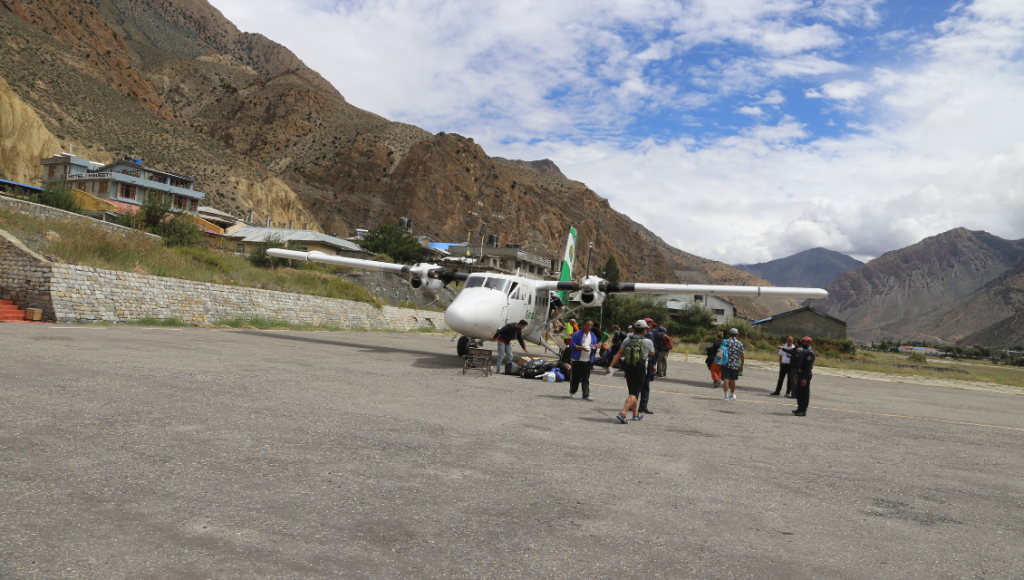
Drive or fly to Pokhara (820 m)

Travel from Kathmandu to Pokhara, the lakeside base for western Annapurna approaches. Choose a scenic mountain flight or a full-day drive through river valleys and hills. Evening free by Phewa Lake; final gear check with your guide. Overnight in Pokhara.

Drive or fly to Pokhara (820 m)
Accommodation Hotel in Pokhara
Meals Breakfast, Lunch, Dinner
Max Altitude 820 m
Distance 25 min flight or 6–7 hrs drive
Day 3

Drive to Tatopani (1,190 m), trek to Narchyang (1,510 m)

Drive to Tatopani, known for natural hot springs beside the Kali Gandaki corridor. Begin trekking through terraced farmland and traditional Magar settlements toward Narchyang. The day introduces the quieter cultural landscape that characterises the Annapurna North Base Camp approach. Overnight in a local teahouse.

Drive to Tatopani (1,190 m), trek to Narchyang (1,510 m)
Accommodation Teahouse
Meals Breakfast, Lunch, Dinner
Max Altitude 1,510 m
Distance 4 hrs trek + drive
Day 4

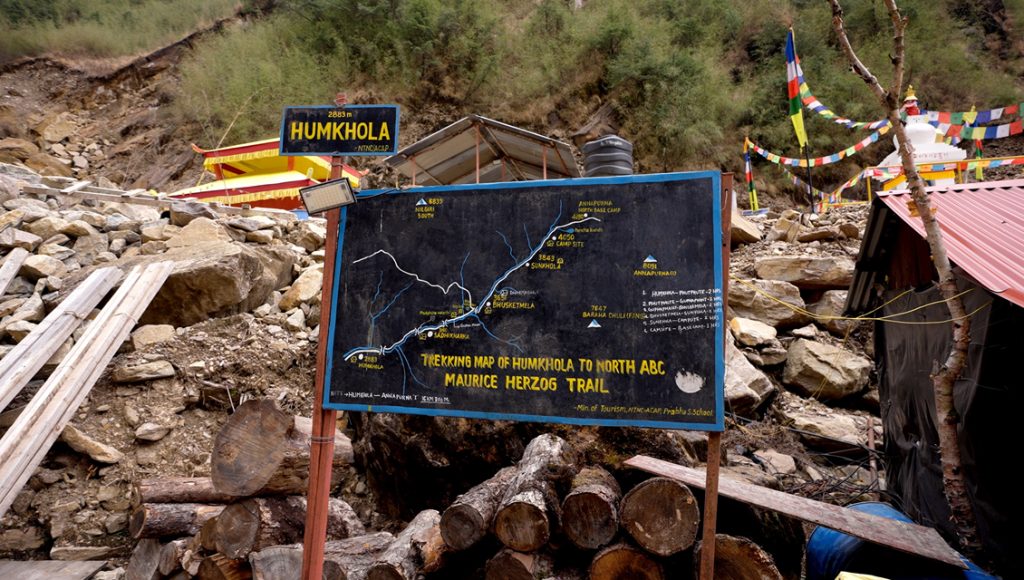
Trek to Hum Khola (2,560 m)

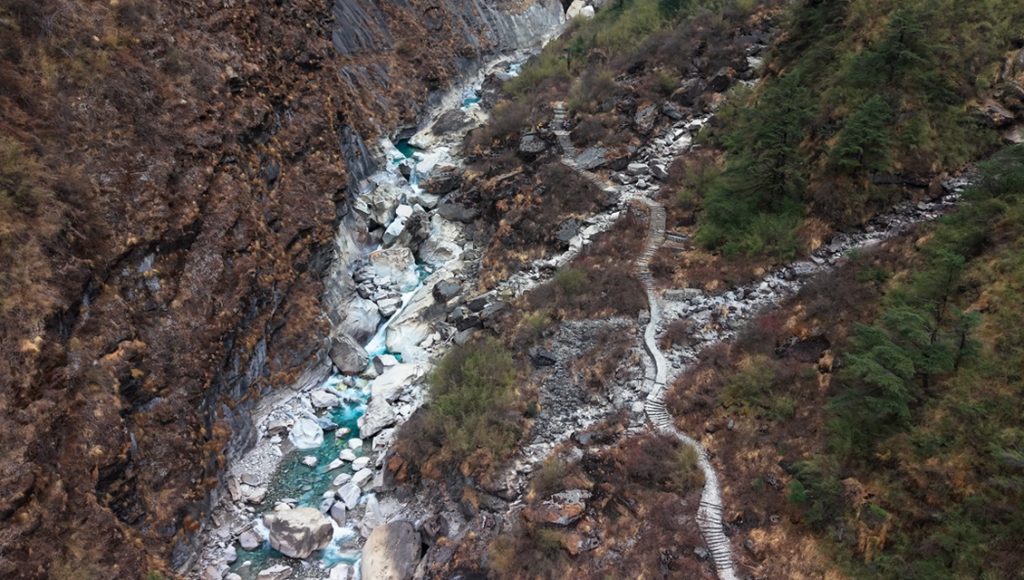
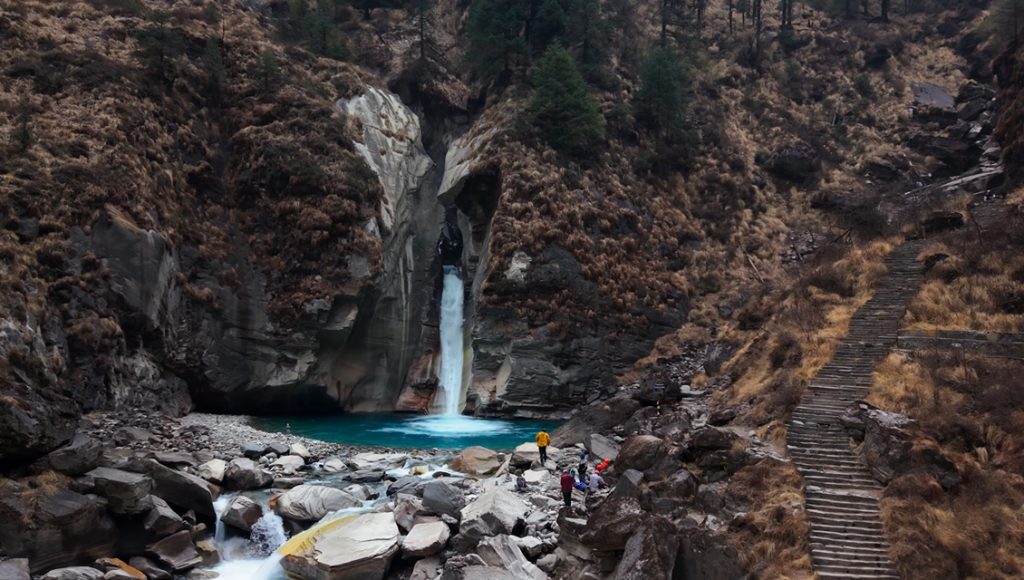
Leave denser settlement behind and enter forested river valleys. Cross wooden bridges, follow streams and gradually gain elevation into quieter Himalayan terrain. Hum Khola is a peaceful riverside stop ideal for rest and early acclimatisation on this remote Annapurna trek. Overnight teahouse or camp.

Trek to Hum Khola (2,560 m)
Accommodation Teahouse or camp
Meals Breakfast, Lunch, Dinner
Max Altitude 2,560 m
Distance 6 hrs
Day 5

Trek to Sandhikharka (3,320 m)

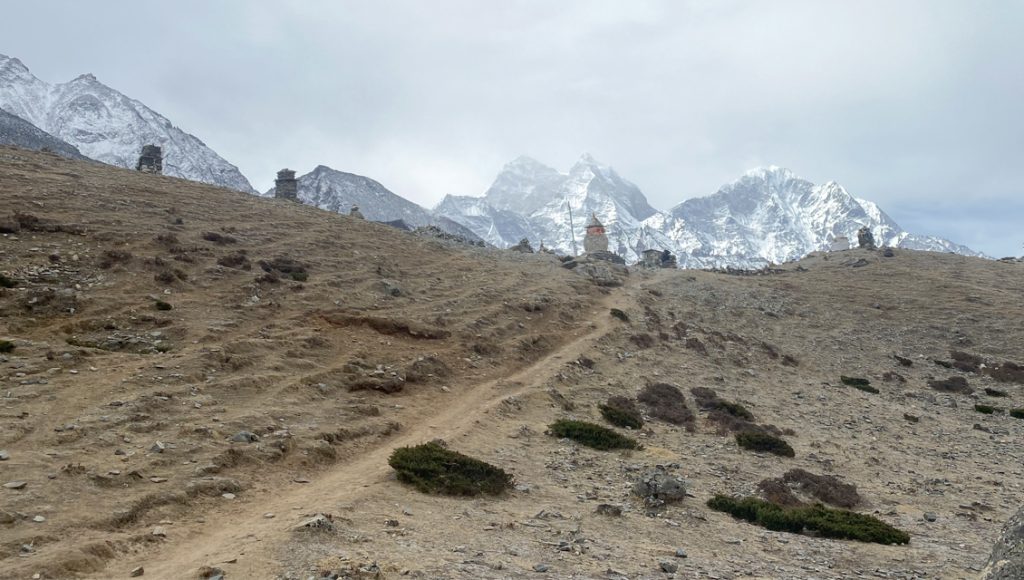
Climb steadily into alpine landscapes as forest thins and mountain views open. High meadows and rugged terrain dominate. Sandhikharka offers expansive vistas of surrounding peaks and valleys — a key staging point before the final push to Annapurna North Base Camp. Overnight teahouse or camp.

Trek to Sandhikharka (3,320 m)
Accommodation Teahouse or camp
Meals Breakfast, Lunch, Dinner
Max Altitude 3,320 m
Distance 5–6 hrs
Day 6

Trek to Annapurna North Base Camp (4,190 m)

The highlight day. Ascend into glacial and high alpine terrain toward Annapurna North Base Camp. The landscape grows more dramatic, with ice cliffs and the massive north face of Annapurna I filling the sky. Overnight at or near base camp with extraordinary wilderness surroundings.

Trek to Annapurna North Base Camp (4,190 m)
Accommodation Camp
Meals Breakfast, Lunch, Dinner
Max Altitude 4,190 m
Distance 6–7 hrs
Day 7

Exploration day at North Base Camp

Optional ridge walks and glacier viewpoints for photography and deeper exploration of the north face environment. Rest as needed; this is a rare chance to absorb one of the least-visited base camp settings in the Annapurna region. Overnight camp.

Exploration day at North Base Camp
Accommodation Camp
Meals Breakfast, Lunch, Dinner
Max Altitude 4,190 m
Distance Optional hikes
Day 8

Begin descent through alpine valleys

Retrace or follow an alternate descent through high meadows and forest zones, losing altitude gradually while enjoying different angles on the surrounding peaks. Overnight teahouse or camp.

Begin descent through alpine valleys
Accommodation Teahouse or camp
Meals Breakfast, Lunch, Dinner
Max Altitude Lower alpine
Distance 6 hrs
Day 9

Continue to road head

Final trekking day back to vehicle access. Celebrate the completion of a true wilderness Annapurna North Base Camp journey. Overnight teahouse.

Continue to road head
Accommodation Teahouse
Meals Breakfast, Lunch, Dinner
Max Altitude —
Distance 5 hrs
Day 10

Return to Pokhara (820 m)

Drive to Pokhara for a well-earned lakeside recovery night. Overnight hotel.

Return to Pokhara (820 m)
Accommodation Hotel in Pokhara
Meals Breakfast
Max Altitude 820 m
Distance Drive
Day 11

Return to Kathmandu (1,400 m)

Fly or drive to Kathmandu. Free time for rest or light sightseeing. Overnight hotel.

Return to Kathmandu (1,400 m)
Accommodation Hotel in Kathmandu
Meals Breakfast
Max Altitude 1,400 m
Distance —
Day 12

Final departure

Airport transfer for your international flight. End of services.

Accommodation —
Meals Breakfast
Max Altitude 1,400 m
Distance Airport transfer

What’s Included / Excluded

Includes

  • Airport arrival and departure transfers by private vehicle
  • Kathmandu hotel accommodation as per the itinerary
  • Accommodation during the trek in teahouses, lodges or camping arrangements as required by the route
  • Breakfast, lunch and dinner during the trekking days
  • Experienced, English-speaking trekking guide

Excludes

  • ✕ International flights to and from Nepal
  • ✕ Nepal entry visa fee
  • ✕ Travel and medical insurance
  • ✕ Helicopter evacuation and emergency rescue costs
  • ✕ Personal trekking equipment and clothing

Additional Information of Annapurna North Base Camp Trek

Geography and Landscape of the Annapurna North Base Camp Trek

The Annapurna North Base Camp Trek explores the remote northern approaches of the Annapurna Massif. Unlike the popular southern Sanctuary route, this itinerary focuses on the quieter northern side via the Narchyang Valley, reaching the dramatic north face of Annapurna I at approximately 4,190 m.

Climate and Best Time

Spring and autumn offer the most stable conditions. Winter is extremely cold; monsoon is not recommended.

People and Culture

Lower route communities are influenced by Magar and Poon traditions. Higher ground feels remote and wilderness-oriented.

Why Choose the North Face Route

Choose this trek for solitude, a different perspective on Annapurna I and a true off-the-beaten-path Annapurna experience.

What to Bring for Annapurna North Base Camp Trek

  • Sturdy, waterproof trekking boots with good ankle support
  • Comfortable trekking trousers and quick-drying shirts
  • Thermal base layers for cold mornings and high-altitude sections
  • Warm fleece or mid-layer
  • Insulated down jacket suitable for cold high-altitude conditions
  • Waterproof and windproof jacket and trousers
  • Warm hat, sun hat and neck gaiter
  • Thermal gloves and waterproof outer gloves
  • Several pairs of warm, moisture-wicking trekking socks
  • UV-protection sunglasses
  • High-SPF sunscreen and lip balm with SPF
  • Comfortable trekking backpack with rain cover
  • Reusable water bottles or hydration bladder
  • Water purification tablets, drops or a portable filter
  • Trekking poles for steep and uneven sections
  • Headlamp with spare batteries
  • Warm sleeping bag suitable for sub-zero temperatures
  • Personal first-aid kit and essential medications
  • Toiletries and personal hygiene items
  • Power bank and charging cables
  • Camera or smartphone with spare batteries/power bank
  • Passport, permits, travel documents and travel insurance details
  • Small amount of Nepalese cash for personal expenses
  • Energy bars, dried fruit and other lightweight snacks
  • Small daypack for shorter excursions and acclimatisation walks

FAQs about Annapurna North Base Camp Trek

What is the Annapurna North Base Camp Trek?
The Annapurna North Base Camp Trek is a remote Himalayan adventure leading toward the northern base camp of Annapurna, offering dramatic mountain scenery, alpine landscapes and a less-traveled trekking experience.
How difficult is the Annapurna North Base Camp Trek?
It is generally considered a challenging trek because of remote terrain, long walking days, elevation gain and limited facilities in the higher sections. Good fitness and preparation are recommended.
What is the altitude of Annapurna North Base Camp?
The exact altitude can vary depending on the route and the specific North Base Camp viewpoint or camp used. Your trekking itinerary should be followed for the confirmed elevation.
How many days does the Annapurna North Base Camp Trek take?
The duration depends on the selected route, transportation arrangements, acclimatisation schedule and itinerary. Most itineraries require several days of trekking in the Annapurna region.
When is the best time for the Annapurna North Base Camp Trek?
Spring from March to May and autumn from September to November generally offer the most favorable trekking conditions, with better visibility and more stable weather.
Is the Annapurna North Base Camp Trek suitable for beginners?
It can be demanding for first-time trekkers. Beginners with good physical preparation and appropriate acclimatisation may participate, but previous high-altitude trekking experience is beneficial.
Do I need a guide for the Annapurna North Base Camp Trek?
A licensed trekking guide is strongly recommended, particularly because the route can be remote and may have fewer established services than the classic Annapurna routes.
Is altitude sickness a concern?
Yes. As the trek reaches high elevations, altitude sickness is a potential risk. A gradual ascent, adequate hydration, rest and awareness of symptoms are important.
What kind of accommodation is available?
Accommodation depends on the specific route. Lower sections may have teahouses or lodges, while more remote sections may require camping and organized trekking support.
What meals are available during the trek?
Meals generally include traditional Nepali dishes, dal bhat, noodles, rice, pasta, soups, vegetables and other simple trekking foods. Food choices become more limited in remote areas.
Are trekking permits required?
Yes. Trekkers generally need the applicable Annapurna Conservation Area Permit and other required trekking documentation. Requirements should be confirmed before departure.
Is there mobile phone and internet coverage?
Connectivity can be limited or unavailable in remote sections. Mobile coverage and Wi-Fi are not guaranteed throughout the trek.
Do I need a sleeping bag?
Yes. A warm sleeping bag suitable for sub-zero temperatures is recommended, particularly for overnight stays at higher elevations or during camping sections.
Do I need trekking poles?
Trekking poles are highly recommended because they provide additional stability on steep ascents, descents and uneven Himalayan terrain.
Is travel insurance required?
Comprehensive travel insurance covering high-altitude trekking and emergency helicopter evacuation is strongly recommended.
Can the itinerary change because of weather?
Yes. Mountain weather, trail conditions, landslides and other unforeseen circumstances can require changes to the itinerary for safety reasons.
What is the main highlight of the Annapurna North Base Camp Trek?
The combination of spectacular Annapurna mountain views, remote Himalayan landscapes, high-altitude trekking and the opportunity to explore a quieter side of the Annapurna region.