Tilicho Lake Trek

Premium guided trek · Local experts · Clean trails

15 Days 5,416 m Challenging Mar–May, Sep–Nov 2–17 people

Highlights of Tilicho Lake Trek

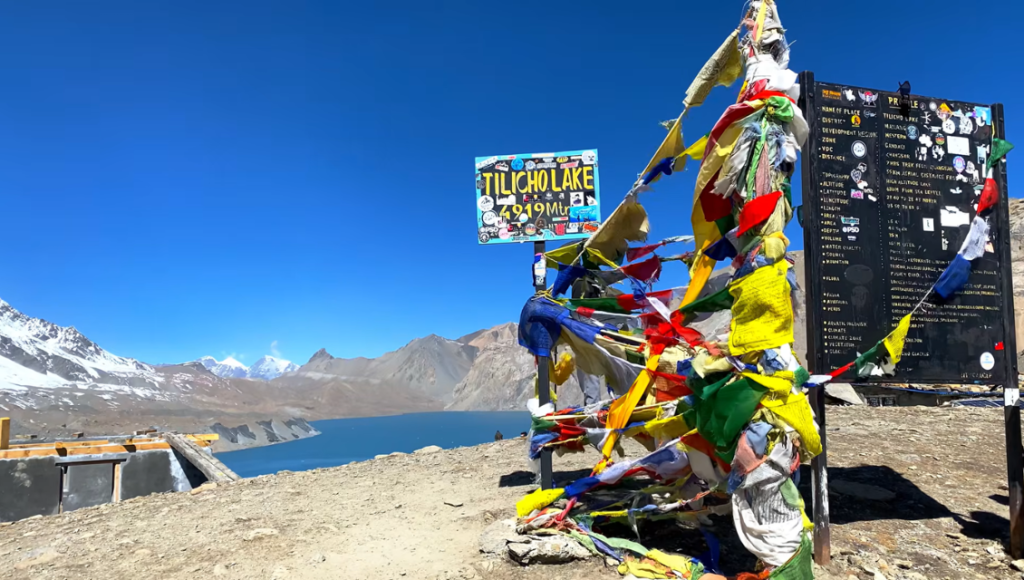
Tilicho Lake at 4,919 m — among the world's highest lakes

Thorong La Pass (5,416 m) on the same journey

Manang culture and optional Ice Lake hike

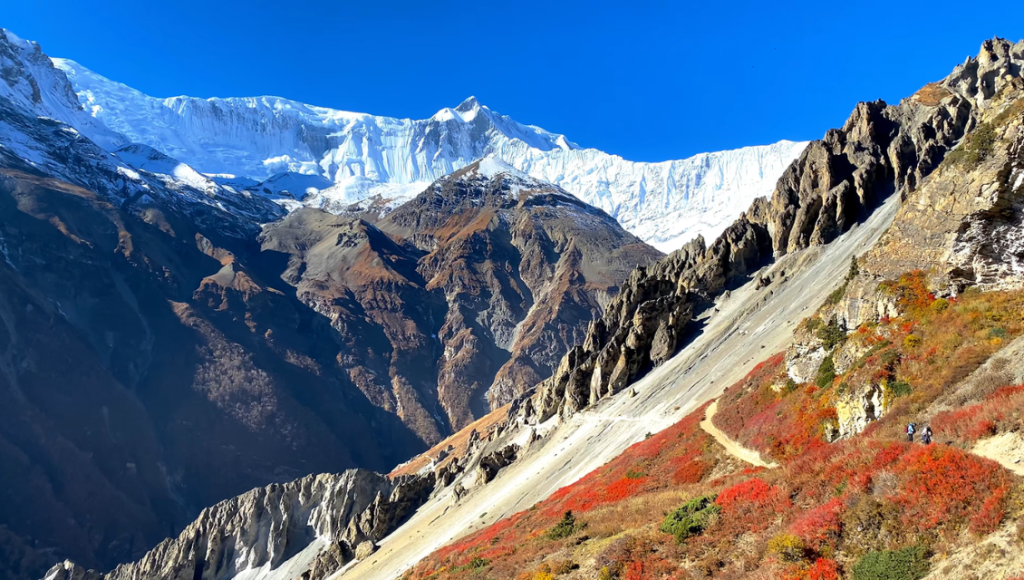
Views of Annapurna, Gangapurna and Chulu peaks

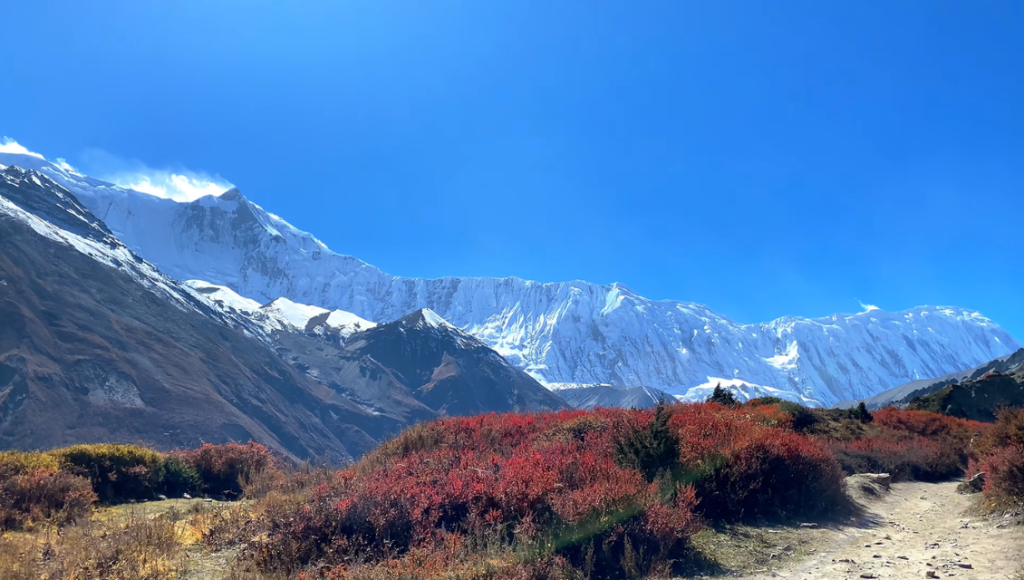
High mountain desert and glacial valleys

Overview of Tilicho Lake Trek

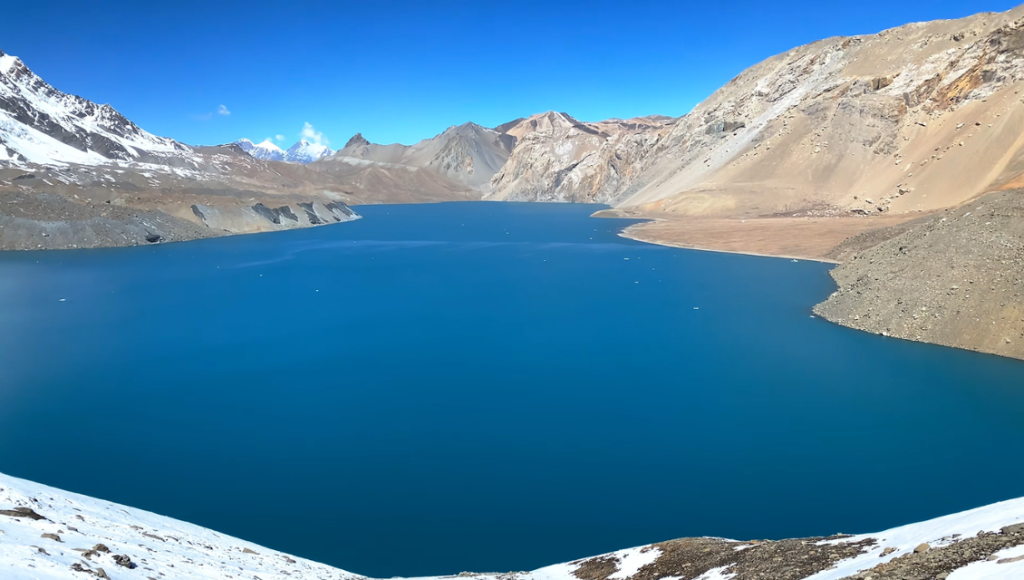
The Tilicho Lake Trek is a spectacular high-altitude trekking adventure in Nepal’s Annapurna region, leading to one of the world’s highest lakes, Tilicho Lake at approximately 4,919 meters. The trek combines dramatic Himalayan landscapes, diverse mountain environments, traditional villages, and the challenging ascent to the beautiful turquoise waters of Tilicho Lake.

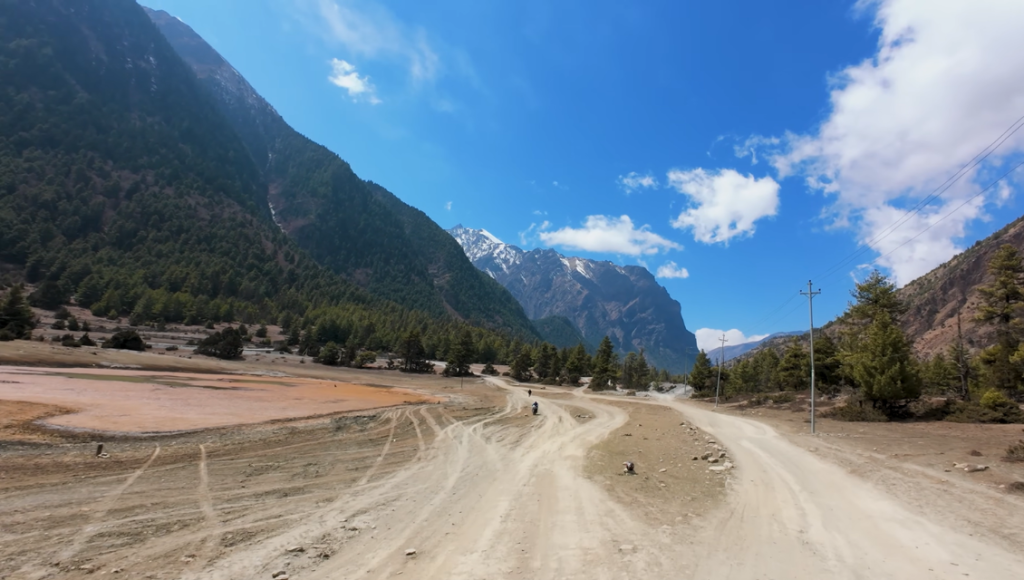
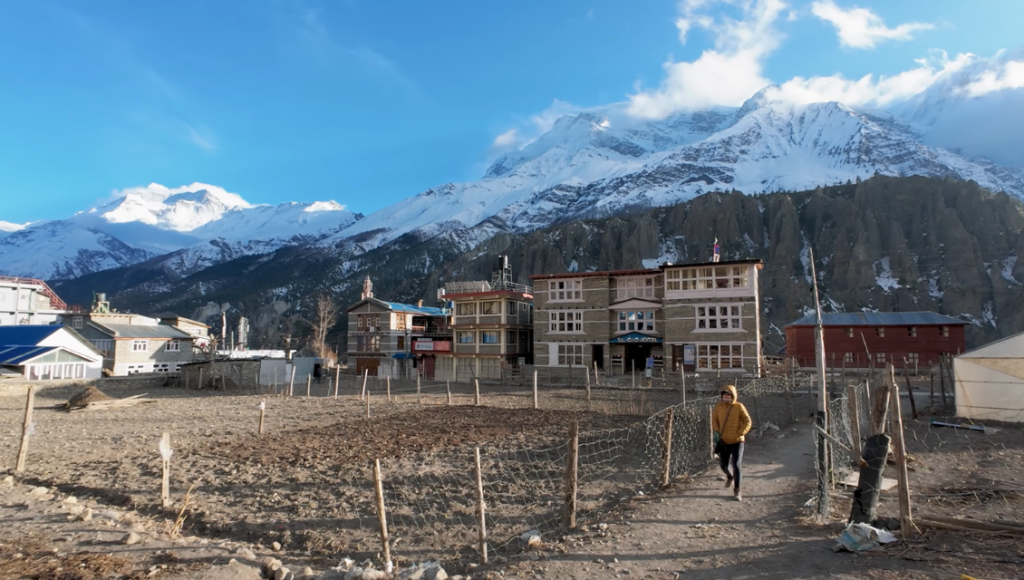
The journey takes you through the scenic Manang Valley, where the landscape gradually changes from lush hills and forests to dry, rugged alpine terrain. Along the way, trekkers experience traditional Himalayan settlements, Buddhist culture, ancient monasteries, yak pastures, and impressive views of the Annapurna, Manaslu, Gangapurna, and Tilicho Peak ranges.

The major highlight of the trek is the challenging hike to Tilicho Lake, surrounded by dramatic snow-covered mountains. The high-altitude lake is an important natural and religious landmark and provides one of the most memorable viewpoints in the Annapurna region.

Depending on the selected itinerary, the Tilicho Lake Trek can be combined with sections of the Annapurna Circuit, allowing trekkers to experience both Tilicho Lake and the famous Thorong La Pass. The route offers a rewarding combination of high-altitude adventure, Himalayan scenery, local culture, and remote mountain landscapes.

Detailed Itinerary of Tilicho Lake Trek

Day 1

Arrival in Kathmandu (1,400 m)

Airport welcome, hotel transfer and evening briefing on the Tilicho Lake and Thorong La itinerary, altitude strategy and safety. Overnight Kathmandu.

Arrival in Kathmandu (1,400 m)
Accommodation Hotel in Kathmandu
Meals Dinner
Max Altitude 1,400 m
Distance Airport transfer
Day 2

Drive to Dharapani via Besisahar (1,960 m)

Long scenic drive from Kathmandu into the Marsyangdi valley. Switch to jeep beyond Besisahar and continue to Dharapani, the practical start of the high Annapurna Circuit and Tilicho approach. Overnight teahouse.

Drive to Dharapani via Besisahar (1,960 m)
Accommodation Teahouse
Meals Breakfast, Lunch, Dinner
Max Altitude 1,960 m
Distance 8–9 hrs drive
Day 3

Trek to Chame (2,670 m)

Trek along the Marsyangdi through forest and villages with growing views of Lamjung Himal and Annapurna II. Chame is the district headquarters and a comfortable staging town before higher, drier country. Overnight teahouse.

Trek to Chame (2,670 m)
Accommodation Teahouse
Meals Breakfast, Lunch, Dinner
Max Altitude 2,670 m
Distance 5–6 hrs
Day 4

Trek to Upper Pisang (3,300 m)

Follow cliffside paths and deep gorges to Upper Pisang. Choosing the upper village improves acclimatisation and delivers outstanding views of Annapurna II and IV — an important step before Manang and Tilicho. Overnight teahouse.

Trek to Upper Pisang (3,300 m)
Accommodation Teahouse
Meals Breakfast, Lunch, Dinner
Max Altitude 3,300 m
Distance 5 hrs
Day 5

Trek to Manang (3,540 m)

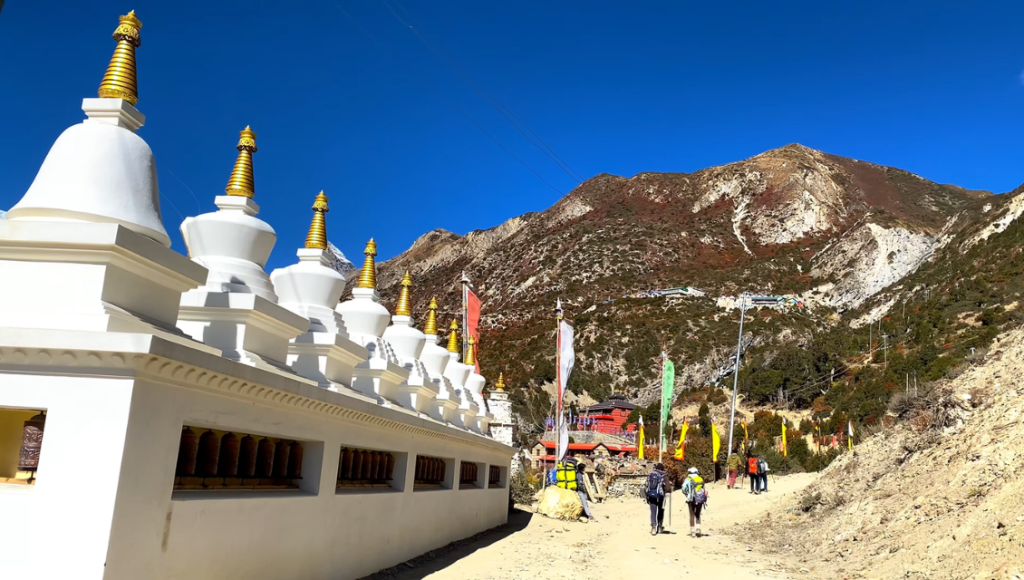
Walk via Ghyaru and Ngawal through ancient Buddhist villages with stone houses, prayer flags and mani walls. Manang is the key acclimatisation hub for both Tilicho Lake and Thorong La, set in a wide high-desert valley. Overnight teahouse.

Trek to Manang (3,540 m)
Accommodation Teahouse
Meals Breakfast, Lunch, Dinner
Max Altitude 3,540 m
Distance 6 hrs
Day 6

Acclimatisation day in Manang

Rest and optional hikes to Gangapurna Lake or the longer climb toward Ice Lake (around 4,600 m). Use the day to hydrate, rest and prepare mentally for the exposed trail to Tilicho Base Camp. Overnight teahouse.

Acclimatisation day in Manang
Accommodation Teahouse
Meals Breakfast, Lunch, Dinner
Max Altitude 3,540 m
Distance Optional 2–6 hrs
Day 7

Trek to Tilicho Base Camp via Khangsar

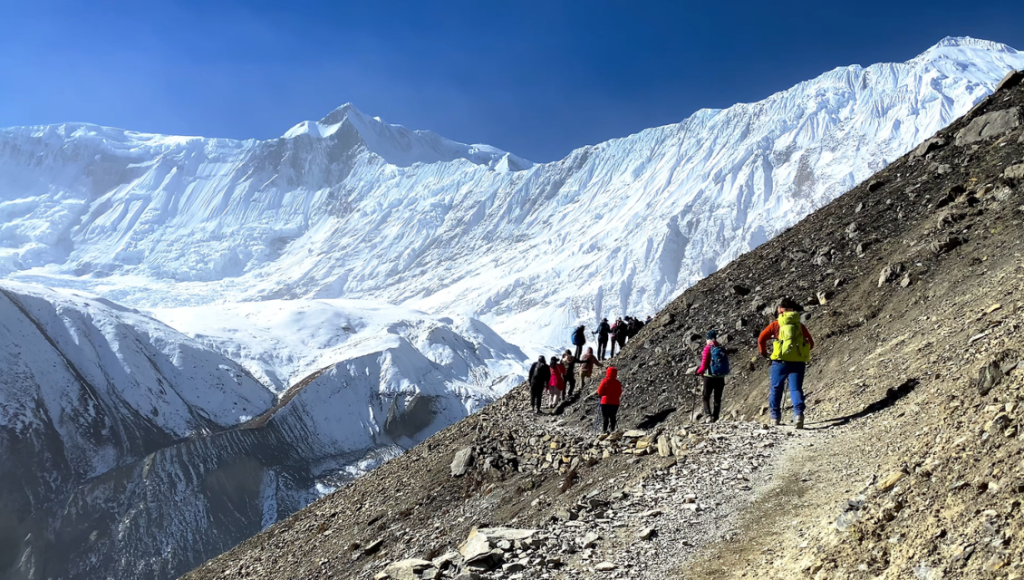
Leave the main Circuit and follow the side valley via Khangsar toward Tilicho Base Camp. Sections of the trail are narrow and exposed; careful footing and guide leadership are essential. Overnight at the base camp lodge or teahouse.

Trek to Tilicho Base Camp via Khangsar
Accommodation Teahouse
Meals Breakfast, Lunch, Dinner
Max Altitude 4,150 m
Distance 6–7 hrs
Day 8

Tilicho Lake (4,919 m) and return

Early start for the climb to Tilicho Lake, one of the highest lakes in the world. The deep blue water sits in a barren high basin beneath towering cliffs and Tilicho Peak. Spend time at the shore, then return to base camp or continue toward Khangsar depending on conditions and group energy. Overnight teahouse.

Tilicho Lake (4,919 m) and return
Accommodation Teahouse
Meals Breakfast, Lunch, Dinner
Max Altitude 4,919 m
Distance 6–8 hrs
Day 9

Rejoin Circuit toward Thorong Phedi

Return to the main Annapurna Circuit trail and continue the gradual climb toward Thorong Phedi, positioning for the classic high-pass crossing. Overnight teahouse.

Rejoin Circuit toward Thorong Phedi
Accommodation Teahouse
Meals Breakfast, Lunch, Dinner
Max Altitude 4,450 m
Distance 5–6 hrs
Day 10

Cross Thorong La (5,416 m) to Muktinath

Pre-dawn start for Thorong La Pass. Celebrate at 5,416 m, then descend the long path to Muktinath. A demanding but iconic finish to the combined Tilicho and Circuit journey. Overnight teahouse.

Cross Thorong La (5,416 m) to Muktinath
Accommodation Teahouse
Meals Breakfast, Lunch, Dinner
Max Altitude 5,416 m
Distance 7–9 hrs
Day 11

Exit via Jomsom and Pokhara

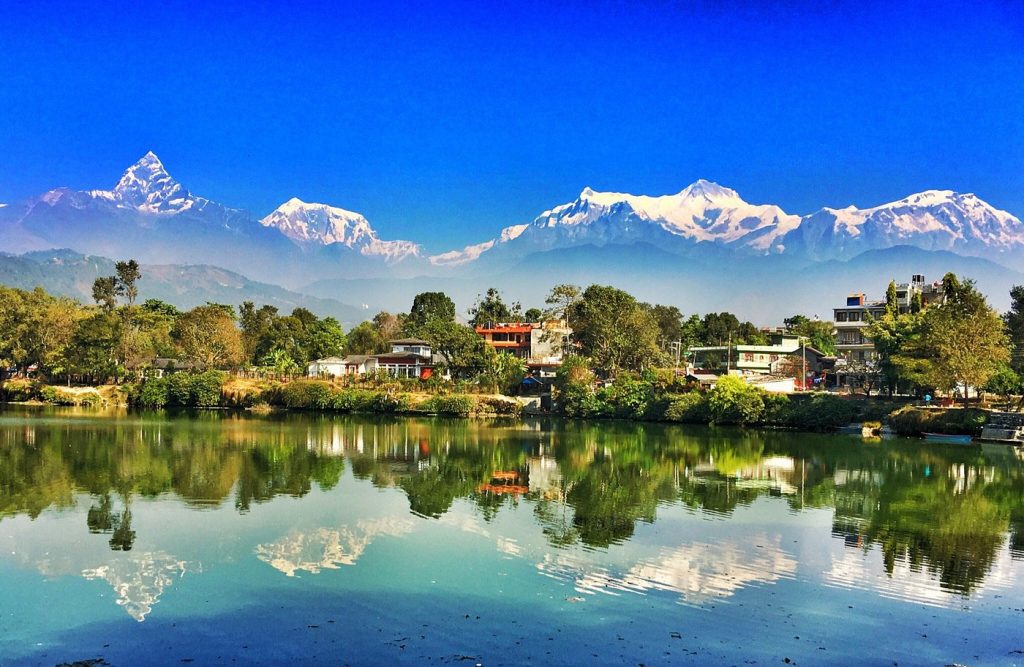
Continue to Jomsom and fly or drive to Pokhara for a recovery night after the high passes and lake. Overnight hotel.

Exit via Jomsom and Pokhara
Accommodation Hotel in Pokhara
Meals Breakfast
Max Altitude 820 m
Distance —
Day 12

Return to Kathmandu (1,400 m)

Travel to Kathmandu. Overnight hotel.

Return to Kathmandu (1,400 m)
Accommodation Hotel in Kathmandu
Meals Breakfast
Max Altitude 1,400 m
Distance —
Day 13

Final departure

Airport transfer. End of Tilicho Lake trek services.

Accommodation —
Meals Breakfast
Max Altitude 1,400 m
Distance Airport transfer

What’s Included / Excluded

Includes

  • Airport pickup and drop-off in Kathmandu, if included in the itinerary
  • Ground transportation between Kathmandu and the trekking starting and ending points
  • Experienced, English-speaking trekking guide
  • Porter service
  • Guide and porter salary, meals, accommodation, and insurance

Excludes

  • ✕ International airfare
  • ✕ Nepal entry visa fee
  • ✕ Personal travel and trekking insurance
  • ✕ Emergency medical treatment and helicopter evacuation
  • ✕ Personal trekking equipment and clothing

Additional Information of Tilicho Lake Trek

Best Time for Tilicho Lake Trek

The best time for the Tilicho Lake Trek is during spring (March to May) and autumn (September to November). These seasons generally offer favorable trekking conditions, clear mountain views, and relatively stable weather. Spring brings colorful vegetation and rhododendron blooms at lower elevations, while autumn usually provides excellent visibility of the Annapurna and surrounding Himalayan ranges.

Winter (December to February) can bring heavy snowfall and freezing temperatures around Tilicho Lake, while the monsoon season (June to August) can bring rain, muddy trails, landslides, and reduced visibility.

Tilicho Lake Trek Difficulty

The Tilicho Lake Trek is considered a moderate to challenging high-altitude trek. The route involves long walking days, steep ascents and descents, rocky terrain, and significant elevation gain. The final approach to Tilicho Lake can be particularly demanding because of the high altitude and rugged trail conditions.

Good physical fitness, proper preparation, gradual acclimatization, and a steady walking pace are recommended for this trek.

Tilicho Lake Altitude

Tilicho Lake is located at approximately 4,919 meters above sea level. The high elevation makes altitude awareness and proper acclimatization important throughout the trek. Trekkers should ascend gradually, stay hydrated, eat regular meals, and avoid unnecessary rapid altitude gain.

Tilicho Lake Trek Route

The Tilicho Lake Trek generally follows the Marsyangdi Valley into the Manang region before heading toward Tilicho Lake. Depending on the selected itinerary, the route may pass through locations such as Besisahar, Dharapani, Chame, Pisang, Manang, Khangsar, Tilicho Base Camp, and Tilicho Lake.

Some itineraries combine Tilicho Lake with the Annapurna Circuit Trek, allowing trekkers to continue toward Thorong La Pass and experience another major high-altitude section of the Annapurna region.

Accommodation During Tilicho Lake Trek

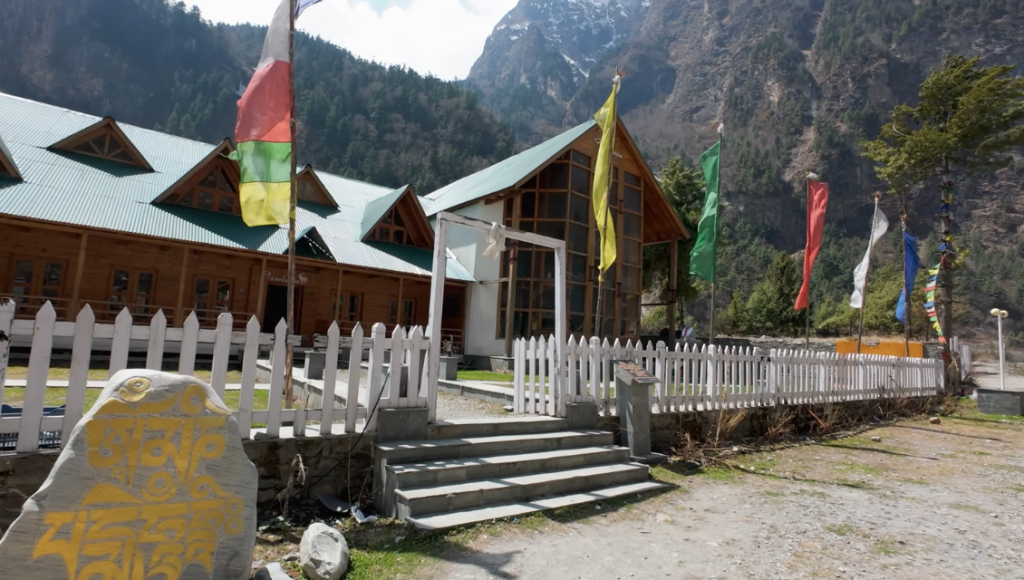
Accommodation is generally provided in local teahouses and mountain lodges. Rooms are usually simple and commonly arranged on a twin-sharing basis. Facilities become more basic at higher elevations, and hot showers, Wi-Fi, electricity, and charging facilities may be limited or available for an additional fee.

Food and Meals

Teahouses along the Tilicho Lake trekking route provide traditional Nepali meals and a selection of basic international dishes. Common options include dal bhat, rice, vegetables, noodles, soups, pasta, potatoes, eggs, bread, and Tibetan-style dishes.

Trekkers are encouraged to carry lightweight energy snacks such as nuts, chocolate, dried fruit, and energy bars for additional energy during longer walking days.

Permits for Tilicho Lake Trek

Trekkers generally require the Annapurna Conservation Area Permit (ACAP) and applicable TIMS or trekking registration requirements. Permit regulations can change, so current requirements should be confirmed before departure.

If you are traveling with a trekking agency, the required permits and documentation are normally arranged as part of the trekking package.

Travel Insurance and Emergency Evacuation

Travel insurance is strongly recommended for the Tilicho Lake Trek. Your insurance should cover high-altitude trekking, emergency medical treatment, and helicopter evacuation where applicable.

Because the trek reaches nearly 5,000 meters, check your insurance policy carefully to ensure that the maximum altitude and activities included in your itinerary are covered.

Weather and Trail Conditions

Mountain weather can change rapidly along the Tilicho Lake route. The higher sections around Tilicho Base Camp and Tilicho Lake can become cold, windy, and snowy, particularly during winter and early spring.

Rainfall, snowfall, landslides, rockfall, and changing trail conditions can affect trekking schedules. The itinerary should therefore remain flexible when necessary to maintain safety.

Altitude Safety

Because Tilicho Lake is situated at approximately 4,919 meters, altitude safety is an important part of the trek. Walk at a comfortable pace, stay hydrated, eat regularly, and allow your body sufficient time to adjust to increasing elevation.

Headache, dizziness, nausea, unusual fatigue, or worsening shortness of breath can be signs of altitude-related problems. If symptoms become severe or worsen, descending to a lower altitude and seeking medical assistance is important.

Responsible Trekking

The Tilicho Lake region forms part of the Annapurna conservation area and contains sensitive mountain ecosystems. Trekkers should follow Leave No Trace principles, minimize plastic waste, carry reusable water bottles, dispose of rubbish properly, stay on designated trails, and respect local communities and cultural traditions.

Tilicho Lake and Cultural Significance

Tilicho Lake is considered a sacred lake and holds religious significance for local communities and Hindu and Buddhist pilgrims. Visitors should respect local beliefs, religious practices, cultural traditions, and the natural environment around the lake.

Tilicho Lake Trek with Annapurna Circuit

The Tilicho Lake Trek can be combined with the Annapurna Circuit for a longer Himalayan adventure. This combination allows trekkers to experience Tilicho Lake as well as the famous Thorong La Pass, while exploring the diverse landscapes and villages of the Annapurna region.

Why Choose Tilicho Lake Trek?

The Tilicho Lake Trek offers a rewarding combination of high-altitude adventure, dramatic Himalayan landscapes, traditional mountain villages, and diverse ecosystems. From the lush lower Marsyangdi Valley to the dry alpine landscapes of Manang and the turquoise waters of Tilicho Lake, the trek provides an opportunity to experience the natural and cultural diversity of the Annapurna region.

What to Bring for Tilicho Lake Trek

  • Comfortable, waterproof trekking boots with good ankle support
  • Lightweight and quick-drying trekking trousers
  • Quick-drying trekking shirts
  • Thermal base layers
  • Warm fleece or mid-layer jacket
  • Warm down or insulated jacket
  • Waterproof and windproof jacket
  • Waterproof trekking trousers
  • Warm hat and sun hat
  • Warm insulated gloves
  • Comfortable trekking socks
  • UV-protection sunglasses
  • High-SPF sunscreen and lip balm
  • Comfortable daypack with rain cover
  • Reusable water bottles or hydration bladder
  • Water purification tablets or portable water filter
  • Adjustable trekking poles
  • Headlamp with spare batteries
  • Warm sleeping bag suitable for sub-zero temperatures
  • Personal first-aid kit and medications
  • Personal toiletries and quick-drying towel
  • Power bank and charging cables
  • Camera or smartphone
  • Passport and required trekking documents
  • Travel insurance details
  • Nepalese cash for personal expenses
  • Energy bars and personal snacks

FAQs about Tilicho Lake Trek

What is the Tilicho Lake Trek?
The Tilicho Lake Trek is a high-altitude Himalayan adventure in the Annapurna region leading to Tilicho Lake, one of the world's highest lakes.
How high is Tilicho Lake?
Tilicho Lake is located at approximately 4,919 metres above sea level.
How difficult is the Tilicho Lake Trek?
The trek is considered moderate to challenging due to the high altitude, steep trails, rocky terrain and long walking days.
How many days does the Tilicho Lake Trek take?
The trek generally takes around 7 to 12 days depending on the itinerary, starting point, acclimatisation schedule and transportation arrangements.
What is the best time for the Tilicho Lake Trek?
Spring from March to May and autumn from September to November are generally the most favorable seasons for clear mountain views and better trail conditions.
Is Tilicho Lake Trek suitable for beginners?
Fit beginners with proper preparation can undertake the trek, but the high altitude and demanding approach to Tilicho Lake require good physical fitness and acclimatisation.
Do I need a sleeping bag for Tilicho Lake Trek?
Yes, a warm sleeping bag suitable for sub-zero temperatures is recommended, particularly for overnight stays at higher elevations.
Do I need trekking poles for Tilicho Lake?
Trekking poles are strongly recommended for stability on steep, rocky and uneven sections of the trail.
Is altitude sickness a concern on the Tilicho Lake Trek?
Yes. Tilicho Lake is nearly 5,000 metres above sea level, so altitude sickness is a significant consideration. Gradual acclimatisation, hydration and a controlled walking pace are important.
What mountains can I see during the Tilicho Lake Trek?
Depending on weather and location, the trek offers views of Annapurna II, Annapurna III, Annapurna IV, Gangapurna, Tilicho Peak, Dhaulagiri and other Himalayan peaks.
Is the trail to Tilicho Lake difficult?
The approach to Tilicho Lake includes steep and rocky sections and can be physically demanding, particularly because of the altitude.
What accommodation is available on the Tilicho Lake Trek?
Accommodation is generally provided in local teahouses and mountain lodges, with basic rooms and shared facilities.
What food is available during the trek?
Teahouses generally serve dal bhat, noodles, soups, rice, pasta, potatoes, eggs and other simple trekking meals.
Do I need permits for the Tilicho Lake Trek?
Yes, trekkers need the applicable trekking permits and conservation-area documentation for the Annapurna region.
Is Wi-Fi available during the Tilicho Lake Trek?
Connectivity is available in some villages but can become limited or unreliable in remote and higher-altitude sections.
Can I trek to Tilicho Lake in winter?
Winter trekking is possible but can be significantly more difficult because of snow, freezing temperatures and potentially challenging trail conditions.
Is travel insurance recommended for Tilicho Lake Trek?
Comprehensive travel insurance covering high-altitude trekking, emergency medical treatment and evacuation is strongly recommended.
What is the main highlight of the Tilicho Lake Trek?
The main highlight is reaching the spectacular turquoise waters of Tilicho Lake at approximately 4,919 metres, surrounded by dramatic Himalayan peaks and high-altitude landscapes.