Mardi Himal Trek

Premium guided trek · Local experts · Clean trails

11 Days 4,500 m Moderate Mar–May, Sep–Nov 2–17 people

Highlights of Mardi Himal Trek

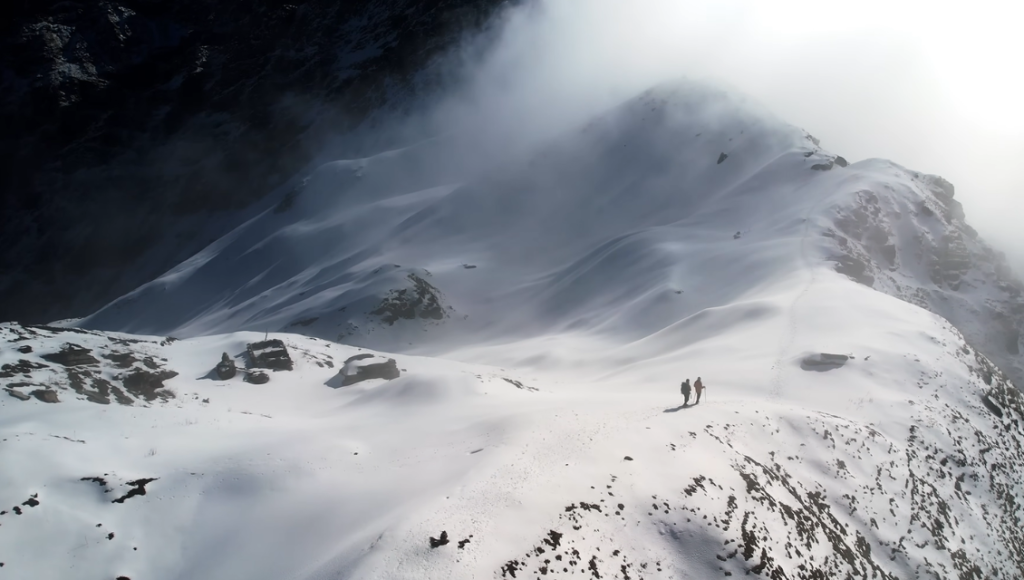
Mardi Himal Viewpoint or Base Camp up to 4,500 m

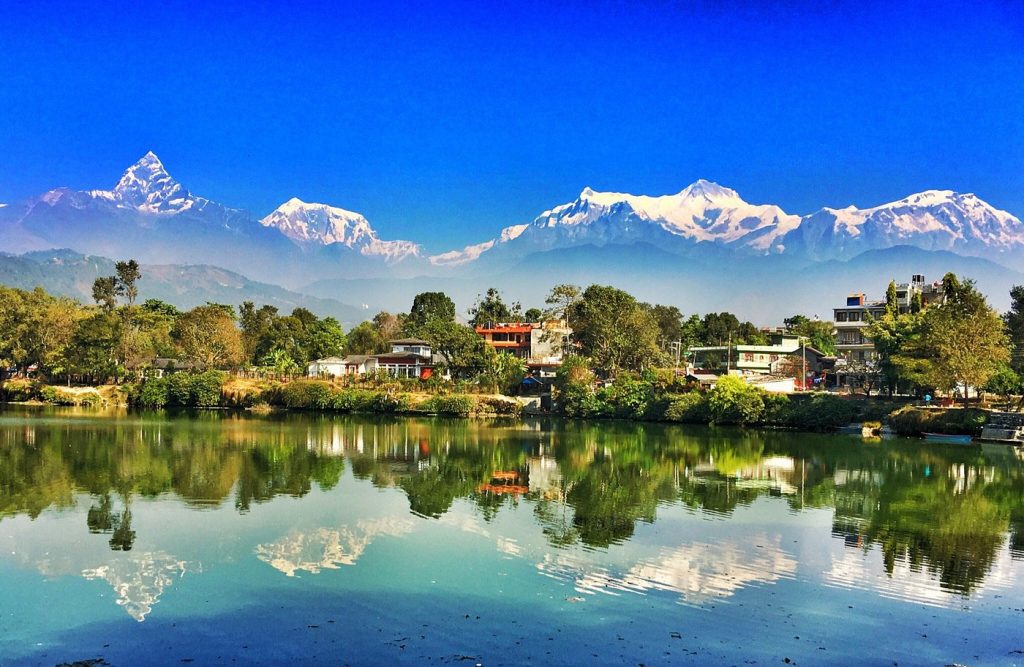
Intimate views of Machhapuchhre and Annapurna South

Quiet ridge walking with wide panoramas

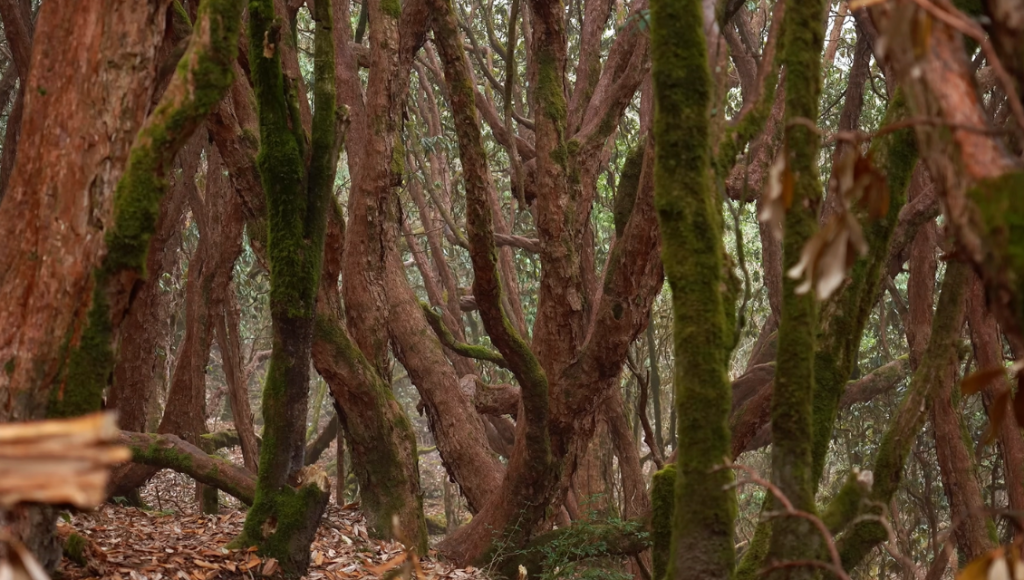
Rhododendron forests and alpine meadows

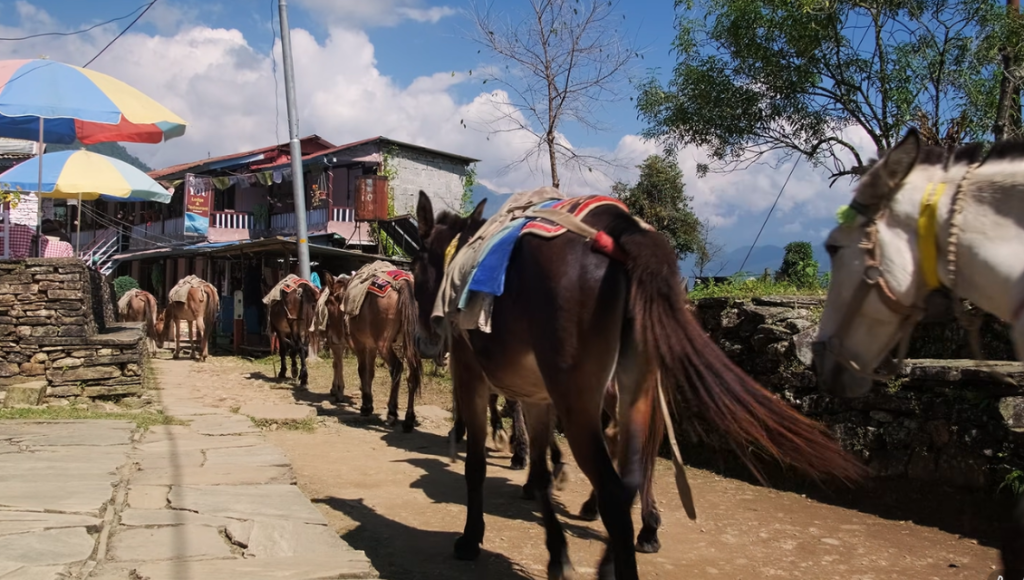
Gurung and Magar village encounters on lower trails

Overview of Mardi Himal Trek

The Mardi Himal Trek is a short and scenic trekking adventure in Nepal’s Annapurna region, ideal for travelers looking for spectacular Himalayan views without committing to a long high-altitude expedition. The trail begins near Pokhara and climbs through lush rhododendron and oak forests, traditional Gurung villages, alpine meadows, and a dramatic mountain ridge toward Mardi Himal.

One of the major highlights of the Mardi Himal Trek is the Mardi Himal Upper Viewpoint, offering impressive close-up views of Machhapuchhre (Fishtail), Annapurna South, Hiunchuli, and the Annapurna massif. The route reaches around 4,200–4,500 meters depending on the itinerary and viewpoint used. Nepal’s official tourism itinerary lists Mardi Himal Base Camp at approximately 4,450 meters.

The trek combines diverse landscapes within a relatively short itinerary. Starting from the lower hills around Pokhara, the trail passes through Pothana, Forest Camp, Low Camp, and High Camp before reaching the high ridge and Mardi Himal viewpoint. The descent through Siding and surrounding villages provides opportunities to experience local mountain culture and rural life.

For travelers searching for a short Annapurna trek, the Mardi Himal Trek offers a combination of mountain scenery, peaceful forest trails, traditional villages, and high-altitude Himalayan landscapes. Its proximity to Pokhara also makes it convenient to combine with other Nepal trekking, sightseeing, or adventure activities.

Detailed Itinerary of Mardi Himal Trek

Day 1

Arrival in Kathmandu (1,400 m)

Airport welcome and transfer to your Thamel hotel. Rest and evening briefing with your guide on the Mardi Himal ridge route, altitude profile and daily expectations. Overnight in Kathmandu.

Arrival in Kathmandu (1,400 m)
Accommodation Hotel in Kathmandu
Meals Dinner
Max Altitude 1,400 m
Distance Airport transfer
Day 2

Drive or fly to Pokhara (820 m)

Travel to Pokhara, the gateway to Mardi Himal. Evening free beside Phewa Lake with possible reflections of Machhapuchhre. Briefing on tomorrow's trailhead departure. Overnight hotel.

Drive or fly to Pokhara (820 m)
Accommodation Hotel in Pokhara
Meals Breakfast, Lunch, Dinner
Max Altitude 820 m
Distance Flight or 6–8 hrs drive
Day 3

Drive to Kande, trek to Forest Camp (2,540 m)

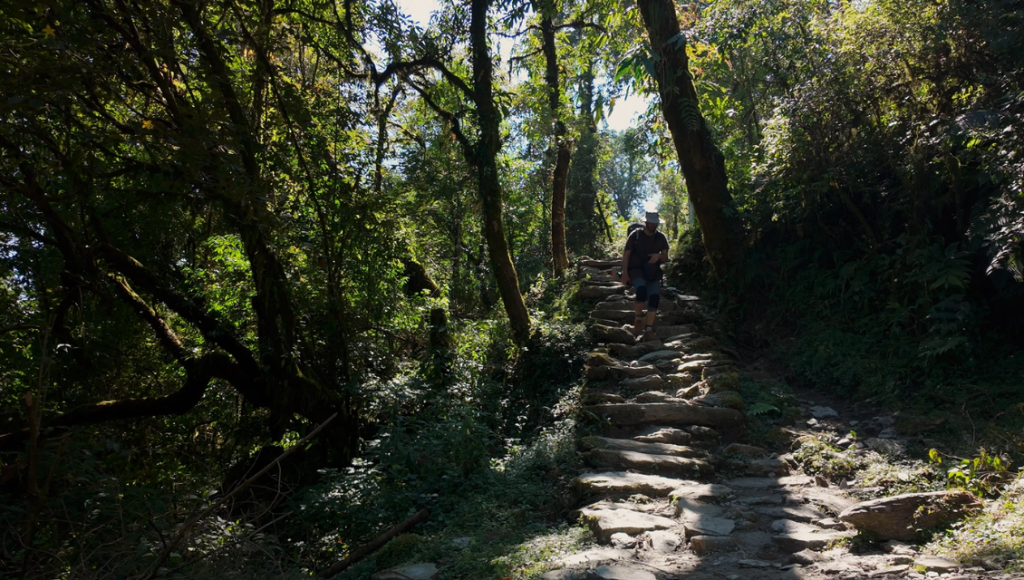
Short drive to Kande trailhead. Begin ascending through dense rhododendron and oak forest with fresh mountain air and peaceful surroundings. Pass shepherd shelters and scattered clearings. Forest Camp is a quiet woodland overnight and the first step onto the classic Mardi Himal route. Overnight teahouse.

Drive to Kande, trek to Forest Camp (2,540 m)
Accommodation Teahouse
Meals Breakfast, Lunch, Dinner
Max Altitude 2,540 m
Distance 5 hrs
Day 4

Trek to Low Camp (2,970 m)

The forest opens into moss-covered trees and alpine vegetation. Gradual ascent with occasional clearings that reveal Annapurna South and Machhapuchhre. Low Camp marks the transition into the higher Himalayan zone, where clouds often drift below the ridges on clear days. Overnight teahouse.

Trek to Low Camp (2,970 m)
Accommodation Teahouse
Meals Breakfast, Lunch, Dinner
Max Altitude 2,970 m
Distance 4 hrs
Day 5

Trek to High Camp (3,580 m)

A more challenging climb as forest gives way to open ridgelines. With every step the panoramic views intensify, revealing the full south face of Machhapuchhre. High Camp is famous for spectacular sunset and sunrise; rest well for the early summit push tomorrow. Overnight teahouse.

Trek to High Camp (3,580 m)
Accommodation Teahouse
Meals Breakfast, Lunch, Dinner
Max Altitude 3,580 m
Distance 4–5 hrs
Day 6

Mardi Himal Viewpoint / Base Camp (4,500 m), return to Low Camp

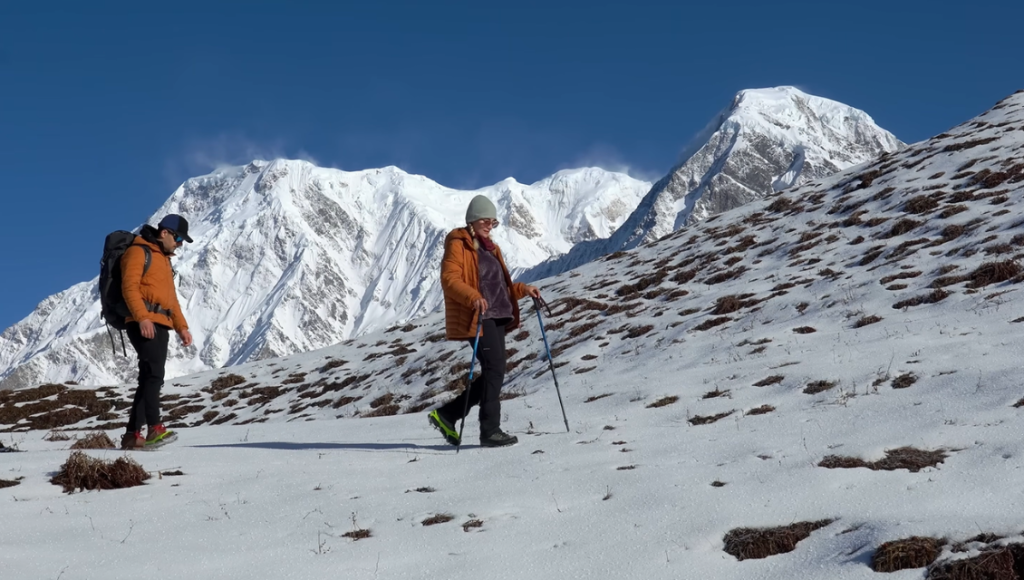
The most rewarding day of the Mardi Himal trek. Early start up steep alpine trails toward the viewpoint or further to Base Camp. Higher elevation brings 360-degree views of Annapurna, Hiunchuli and Machhapuchhre. Spend time at the top, then carefully descend to Low Camp for overnight recovery. Overnight teahouse.

Mardi Himal Viewpoint / Base Camp (4,500 m), return to Low Camp
Accommodation Teahouse
Meals Breakfast, Lunch, Dinner
Max Altitude 4,500 m
Distance 7–8 hrs
Day 7

Trek to Siding Village and drive to Pokhara

Long but satisfying descent through changing vegetation zones to Siding. Meet your vehicle and return to Pokhara for a comfortable hotel night after the high ridge days. Overnight hotel.

Trek to Siding Village and drive to Pokhara
Accommodation Hotel in Pokhara
Meals Breakfast, Lunch
Max Altitude 820 m
Distance 6 hrs trek + drive
Day 8

Return to Kathmandu (1,400 m)

Fly or drive to Kathmandu. Free time. Overnight hotel.

Return to Kathmandu (1,400 m)
Accommodation Hotel in Kathmandu
Meals Breakfast
Max Altitude 1,400 m
Distance —
Day 9

Final departure

Airport transfer. End of Mardi Himal trek services.

Accommodation —
Meals Breakfast
Max Altitude 1,400 m
Distance Airport transfer

What’s Included / Excluded

Includes

  • Airport pickup and drop-off in Kathmandu, if included in the selected package
  • Transportation between Kathmandu and Pokhara as mentioned in the itinerary
  • Transportation between Pokhara and the trekking trailhead
  • Experienced, English-speaking trekking guide
  • Porter service, if included in the package

Excludes

  • ✕ International airfare
  • ✕ Nepal entry visa fee
  • ✕ Personal travel and trekking insurance
  • ✕ Helicopter evacuation and medical expenses
  • ✕ Personal expenses such as laundry, telephone calls, and internet

Additional Information of Mardi Himal Trek

Best Time for Mardi Himal Trek

The best seasons for the Mardi Himal Trek are spring (March to May) and autumn (September to November). These months generally offer favorable trekking conditions, clear mountain views, and comfortable daytime temperatures. Spring is particularly attractive for rhododendron blooms, while autumn often provides excellent Himalayan visibility. Winter trekking is possible but can bring snow and colder conditions at higher elevations. The monsoon season from June to August can bring rain, slippery trails, clouds, and reduced mountain visibility.

Mardi Himal Trek Difficulty

The Mardi Himal Trek is generally considered a moderate-level trek. The route includes steep ascents, descents, stone steps, forest trails, and high-altitude sections. Good physical fitness and regular walking preparation are recommended. Although the trek is relatively short, altitude becomes an important consideration as the trail approaches High Camp and the upper viewpoint.

Mardi Himal Trek Altitude

The trek gradually ascends from the lower hills around Pokhara to the high alpine landscape of the Mardi Himal region. Mardi Himal Base Camp is around 4,450 meters, while the commonly visited Upper Viewpoint is at a similar high-altitude range depending on the exact route and itinerary. Proper acclimatization, hydration, and a sensible walking pace are important.

Accommodation During Mardi Himal Trek

Accommodation is generally provided in local teahouses and mountain lodges along the trekking route. Rooms are typically simple and may include twin beds with shared bathroom facilities. Facilities become more basic as you reach higher elevations, particularly around High Camp.

Food and Meals

Teahouses along the Mardi Himal route serve a combination of Nepali, Tibetan, Indian, and international-style dishes. Dal bhat, noodles, soups, rice, pasta, potatoes, eggs, bread, and seasonal vegetables are commonly available. Staying hydrated and eating sufficient carbohydrates and protein can help support your energy during the trek.

Permits for Mardi Himal Trek

Trekkers generally need the applicable Annapurna Conservation Area Permit (ACAP) and TIMS registration/card requirements according to the regulations in effect when you travel. Your trekking agency can arrange the required permits and registrations as part of the trekking package.

Guide and Porter Service

A licensed trekking guide can assist with navigation, accommodation arrangements, communication with local lodges, and altitude-related precautions. Porters can carry the majority of your trekking baggage, allowing you to walk with a lighter daypack. Current guide and porter requirements should be confirmed before departure.

Travel Insurance and Emergency Evacuation

Travel insurance is strongly recommended for the Mardi Himal Trek and should cover high-altitude trekking and emergency medical evacuation, including helicopter evacuation where appropriate. Before departure, check the altitude limit and activities covered by your insurance policy.

Weather and Trail Conditions

Mountain weather can change quickly. Even during the main trekking seasons, temperatures can drop significantly at higher elevations. Snow may affect the upper sections during winter, while monsoon rainfall can make lower trails muddy and slippery. Your itinerary may be adjusted when necessary because of weather or trail conditions.

Responsible Trekking

The Mardi Himal region is a sensitive mountain environment. Trekkers should follow Leave No Trace principles, avoid single-use plastics where possible, dispose of waste properly, respect local communities, and follow designated trails. Supporting local teahouses and businesses also contributes to the communities along the trekking route.

What to Bring for Mardi Himal Trek

  • Comfortable, waterproof trekking boots with good grip
  • Lightweight trekking trousers
  • Quick-drying trekking shirts
  • Thermal base layers
  • Warm fleece or mid-layer jacket
  • Warm down or insulated jacket
  • Waterproof and windproof jacket
  • Waterproof trekking trousers
  • Warm hat and sun hat
  • Lightweight and insulated gloves
  • Warm trekking socks
  • UV-protection sunglasses
  • High-SPF sunscreen and lip balm
  • Comfortable daypack with rain cover
  • Reusable water bottle or hydration bladder
  • Water purification tablets or filter
  • Adjustable trekking poles
  • Headlamp with spare batteries
  • Warm sleeping bag suitable for cold conditions
  • Personal first-aid kit and medications
  • Personal toiletries and quick-drying towel
  • Power bank and charging cables
  • Camera or smartphone
  • Passport and required trekking documents
  • Travel insurance details
  • Nepalese cash for personal expenses
  • Energy bars and personal snacks

FAQs about Mardi Himal Trek

What is the Mardi Himal Trek?
The Mardi Himal Trek is a scenic short Himalayan trek in the Annapurna region, known for close-up views of Machhapuchhre, Annapurna South, Hiunchuli and the Mardi Himal range.
How difficult is the Mardi Himal Trek?
The Mardi Himal Trek is generally considered a moderate trek, with steep ascents, uneven trails and several long walking days.
How high is Mardi Himal Base Camp?
Mardi Himal Base Camp is located at approximately 4,500 metres above sea level.
How many days does the Mardi Himal Trek take?
The trek usually takes around 4 to 7 days depending on the itinerary, starting point and walking pace.
What is the best time for the Mardi Himal Trek?
Spring from March to May and autumn from September to November are generally the best seasons for favorable weather, clear mountain views and comfortable trekking conditions.
Is Mardi Himal Trek suitable for beginners?
The trek can be suitable for reasonably fit beginners, although preparation is recommended because of the steep trails and increasing altitude.
Do I need a sleeping bag for Mardi Himal Trek?
Yes, a warm sleeping bag is recommended, particularly during the colder months and for nights at higher elevations.
Do I need trekking poles for Mardi Himal?
Trekking poles are recommended because they provide additional stability on steep, rocky and sometimes slippery sections.
What mountains can I see during the Mardi Himal Trek?
Depending on weather and viewpoint, you can see Machhapuchhre (Fishtail), Annapurna South, Hiunchuli, Annapurna I and other surrounding Himalayan peaks.
Is altitude sickness a concern on Mardi Himal Trek?
Yes. The route reaches above 4,000 metres, so gradual acclimatisation, proper hydration and a sensible walking pace are important.
What accommodation is available on the Mardi Himal Trek?
Accommodation is generally provided in local teahouses and mountain lodges with basic rooms and shared facilities.
Is Wi-Fi available during the Mardi Himal Trek?
Wi-Fi and mobile connectivity may be available in some villages, but service can become limited or unreliable at higher elevations.
What food is available during the Mardi Himal Trek?
Teahouses generally serve dal bhat, noodles, soups, pasta, rice, eggs, potatoes and other simple trekking meals.
Do I need permits for the Mardi Himal Trek?
Yes, trekkers need the applicable trekking permits and conservation-area documentation for the route.
Can I trek Mardi Himal during winter?
Winter trekking is possible, but snow, freezing temperatures and difficult trail conditions can occur at higher elevations.
Is travel insurance required for Mardi Himal Trek?
Comprehensive travel insurance covering trekking, medical emergencies and evacuation is strongly recommended.
What is the main highlight of the Mardi Himal Trek?
The main highlights include the spectacular Machhapuchhre views, alpine landscapes, peaceful forest trails, traditional villages and the dramatic high-altitude scenery around Mardi Himal Base Camp.